David Yates Era
Harry Potter and the Deathly Hallows - Part 2
2011 2h 10m Dir: David Yates Box Office: $1.34 Billion
Official Release Date: July 15, 2011
David Yates Era
Official Release Date: July 15, 2011
In the epic conclusion of the franchise, Harry, Ron, and Hermione return to Hogwarts to locate the final Horcruxes as Lord Voldemort gathers his massive army of Death Eaters for a final attack. The school becomes a battlefield, defended by teachers and members of the Order of the Phoenix. As the battle rages, Harry discovers the truth about Severus Snape's loyalty through his memories, learning that Snape loved Harry's mother and protected Harry under Dumbledore's orders. Realizing he contains a piece of Voldemort's soul, Harry willingly faces the Dark Lord in the Forbidden Forest, surviving the killing curse once more. Returning to the castle, Harry duels Voldemort as Neville Longbottom destroys the final Horcrux, leading to Voldemort's permanent defeat.
The Deathly Hallows - Part 2 is a spectacular, emotionally satisfying finale that resolves the decade-long saga with action and heart. Clocking in at 130 minutes, it is the shortest film in the franchise, paced as a relentless, high-stakes battle movie. Yates handles the massive action sequences with clarity, keeping the focus on character decisions and sacrifices. The sequence showing Snape's memories is a masterpiece of editing and performance, providing Alan Rickman with his finest moment in the series. Eduardo Serra's cinematography is bleak but beautiful, filling the ruins of Hogwarts with dust, ash, and dramatic firelight. Alexandre Desplat's score is magnificent, incorporating Williams's original themes into a tragic, triumphant orchestration. It remains one of the most successful franchise finales in cinema history, delivering both spectacle and emotional closure.
As the final entry, this film resolves the central conflict between Harry and Voldemort, reveals Snape's true history, destroys the remaining Horcruxes, and concludes the character arcs of the entire cast.
The battle of Hogwarts required months of filming on massive outdoor sets at Leavesden Studios. The production designed the ruins of the castle using real rubble and debris to make the destruction look realistic. The film was the highest-grossing entry in the series, breaking box office records worldwide.
Fans remember the escape from Gringotts on the dragon, Neville's heroic speech and sword strike, the emotional Snape memory montage, and the final duel in the courtyard. The epilogue showing the characters nineteen years later remains a nostalgic touchpoint.
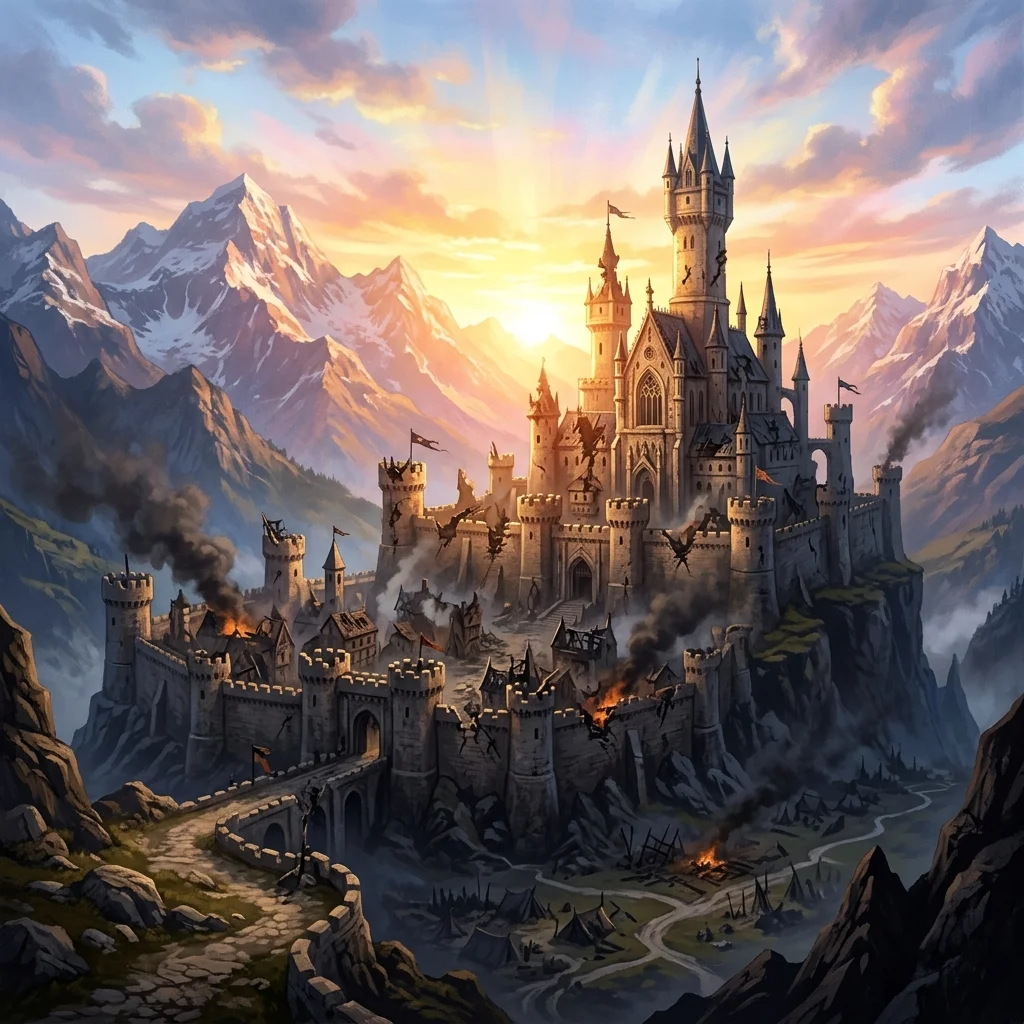
Yates and Serra push the desaturation to its limit, filling the film with ash grays, charcoal blues, and fiery oranges. The lighting is dramatic, using high-contrast shadows to make the ruined school look like a war zone. Craig's production design showcases the destruction of the locations built in the first film—the Great Hall is filled with rubble, the courtyards are shattered, and the viaduct is collapsed. Yates uses sweeping aerial camera movements to capture the scale of the battle, contrasting them with intimate handheld tracking shots of the characters running through the debris. The editing is relentless, driving the narrative forward without pause until the quiet, mythological confrontation in the Forbidden Forest. Snape's memory sequence is edited with poetic juxtaposition, stitching ten years of clues into a single, cohesive emotional explanation.
The film explores the themes of death, love, and redemption. Snape's sacrifice shows that redemption is possible through love, while Harry's willing walk into the forest represents the ultimate victory of self-sacrifice over Voldemort's fear of death. The film's critical and commercial success marked the end of an era in Hollywood, concluding the most consistent and successful franchise run of the 21st century.
Harry Potter and the Deathly Hallows - Part 2 is a triumphant, emotionally resonant masterpiece that provides a satisfying, action-packed conclusion to a historic cinematic journey.
Voldemort used Harry's blood to rebuild his body in Goblet of Fire, binding Lily's protective sacrifice to himself. When Voldemort cast the curse, he only destroyed the piece of his own soul residing inside Harry.
They reveal Snape's lifelong love for Lily Potter and his secret agreement with Dumbledore to protect Harry, proving his absolute loyalty to the light despite his actions.
Set nineteen years later, it shows Harry, Ron, Hermione, and Ginny sending their own children off to Hogwarts from Platform 9 3/4, representing the return of safety and peace.
The studio's original promotional trailer, included as production context.
No next movie.
Continue through nearby entries and compare how the series changes.
Instead of returning to Hogwarts, Harry, Ron, and Hermione set out on a dangerous mission to locate and destroy Voldemort's remaining Horcruxes. Without the guidance of Dumbledore, they must rely on each other, traveling across the country while hiding from Death Eaters who have taken control of the Ministry of Magic. As they search, they learn about the "Deathly Hallows"—three legendary magical objects that grant mastery over death. The physical and emotional strain of the journey, combined with the corrupting influence of a Horcrux locket, causes a rift between the friends, leading Ron to abandon the group. Though he eventually returns to save Harry's life, they are captured by Snatchers, escaping with the help of Dobby, who is tragically killed in the rescue.
Essays connecting this film to effects craft, storytelling, and franchise history.
Exploring the handoff between sculptors, puppeteers, and digital animators, and how collaborative production design makes physical and virtual creatures convincing.
Film EssayAnalyzing how directors manipulate lens choices, camera movement, and framing to restrict or control audience knowledge, creating psychological tension.
Film EssayExamines the narrative power of musical themes in serialized cinema, analyzing how composers like John Williams and Howard Shore construct emotional memory.
Stay informed about new franchise guides, movie analysis articles, editorial updates, and website announcements.