
Jurassic Park & Jurassic World
7 filmsFollow all seven Jurassic films in release order, with a spoiler-light timeline, production context, and a full critical essay for every entry.
Read the franchise guideMovie Guide Library
Find the sequence, understand the transitions, and open a full review for the craft and ideas that make each entry distinct.
A useful movie hub should do more than arrange titles by year. Release order tells us how audiences originally encountered a series, but it cannot explain why a later sequel feels different, which creative team changed direction, or whether chronological order improves the experience. This hub combines navigation with editorial context so that the list becomes the beginning of the discussion rather than the entire page.
Our guides are designed to work before and after viewing. Before a movie, the basic production details and spoiler-light framing establish where it belongs. Afterward, the full review examines its construction, themes, reception, and influence. Readers can follow the complete sequence or select an individual film without losing the context that connects it to the larger franchise.
Release order is usually our recommendation for a first viewing. It preserves the information available to the original audience and lets changes in technology, tone, and character emphasis unfold naturally. A callback works because the earlier film has already established its meaning; an effects breakthrough looks revolutionary because the viewer has seen what preceded it. Release order also prevents a later prequel or soft reboot from explaining an idea before its intended introduction.
Chronological order can be valuable on a return visit. Rearranging a story around its internal dates makes long-term consequences easier to trace and can reveal parallels between generations of characters. It is not automatically more coherent, however. Franchises are developed over time by different writers and directors, so their fictional history often contains revisions, gaps, and shifts of emphasis. Our timeline notes identify those points instead of presenting chronology as a perfect equation.
The Jurassic films make the choice simple because their main events and release dates move in the same direction. The benefit of the guide is therefore not a surprising rearrangement; it is the context around the gaps. Fourteen years separate the third film from Jurassic World, and the change from an abandoned research island to a functioning luxury resort is as important as any plot connection. Rebirth begins another phase with a new cast and a narrower survival premise. Those transitions define the viewing experience.
Complete coverage with a timeline, era analysis, and individual reviews.
Follow all seven Jurassic films in release order, with a spoiler-light timeline, production context, and a full critical essay for every entry.
Read the franchise guide
Follow all eight Harry Potter films in release order, featuring timeline guides, director handoff analysis, and complete critical essays.
Read the franchise guideThe cinematic landscape of the twenty-first century is indisputably defined by the dominance of the franchise. While multi-part stories, sequels, and serials have existed since the silent era of motion pictures, modern film franchises represent a fundamental, structural shift in how narratives are conceived, financed, produced, and consumed globally. In the classical era of Hollywood, sequels were frequently treated as cheap, commercial cash-ins—hastily assembled follow-ups designed to exploit the popularity of a surprise box office hit before the public's interest waned. These early sequels rarely attempted to build a cohesive narrative arc, often repeating the plot of the original with minor variations and lower production budgets. Today, however, franchises are constructed as massive, multi-decade tapestries of interconnected lore, visual motifs, and character arcs. This evolution has transformed film production from an director-centric art form into a collaborative exercise in world-building, where individual films function as chapters in an ongoing, globalized mythology that spans screens of all sizes.
The transition from isolated features to serialized cinematic universes began in earnest in the late twentieth century. Landmark series like Star Wars, Indiana Jones, and the original Star Trek films demonstrated that audiences were willing to invest in long-term narrative continuity. These early franchises established the concept of a shared universe, where the history, rules, and geography of the world remained consistent across multiple entries. This continuity created a new form of audience engagement, encouraging viewers to study the lore, map the timelines, and speculate on future installments. The modern franchise has taken this concept to its logical extreme, utilizing digital platforms, transmedia storytelling, and intricate crossover events to build narratives that span dozens of films, television series, and comic books. The box office dominance of these systems has forced studios to re-evaluate their production models, prioritizing properties with built-in franchise potential over standalone, original screenplays. This systemic shift has redrawn the boundaries of theatrical distribution and altered the creative processes of screenwriters, directors, and designers alike.
At the heart of this storytelling evolution is the concept of narrative continuity. In a traditional standalone film, the narrative arc is self-contained: characters are introduced, conflict arises, and a resolution is achieved within a two-hour runtime. In a modern franchise, however, the narrative arc is split across multiple films, requiring screenwriters to balance the demands of the individual installment with the larger requirements of the overarching saga. This creates a unique set of challenges, often referred to as the burden of lore. As a franchise expands, it accumulates a massive history of canon, character relationships, and thematic rules. Screenwriters must navigate this history, ensuring that new entries do not contradict established facts, while still delivering a satisfying, self-contained story that remains accessible to casual viewers. The most successful franchises manage this balance by treating lore not as a restriction, but as a rich foundation for thematic development and emotional payoff. The tension between accessibility and depth remains a constant struggle, with some films sinking under the weight of their own exposition, while others use their history to create moments of profound resonance.
The psychology of audience investment is a crucial driver of franchise longevity. When viewers return to a franchise year after year, they are not merely seeking entertainment; they are returning to a familiar community and a set of beloved characters. The real-time aging of actors on screen—a phenomenon observed in the Harry Potter series—creates a powerful sense of shared history. The audience grows up alongside the characters, forming a deep, personal connection that enhances the emotional impact of the narrative. This long-term investment allows filmmakers to construct complex, multi-film character arcs that would be impossible in a single feature. The tragic fall and eventual redemption of a character, the slow building of a romance, or the gradual reveal of a massive conspiracy can be paced across years of storytelling, rewarding the audience’s patience with unparalleled narrative depth. This persistent engagement has been amplified by the rise of internet culture, where fans analyze trailers frame-by-frame, write extensive wiki guides, and participate in global communities, turning the act of watching a movie into an active, collaborative hobby.
Shared universes also alter the role of the director and the nature of cinematic authorship. In the classical auteur-driven cinema, the director was the primary author of the film, imposing a singular aesthetic and thematic vision. In a modern franchise, the director must operate within the boundaries established by the franchise’s producers, past entries, and marketing requirements. This has led to the rise of the showrunner-producer—creative executives who oversee the overarching narrative direction, visual style, and tone of the entire universe, ensuring continuity across different writers and directors. While some critics argue that this approach homogenizes filmmaking, limiting artistic freedom and resulting in a uniform visual style, the most successful franchises have found ways to balance studio consistency with director-driven innovation. By selecting directors with distinct visual styles—such as Alfonso Cuarón in Prisoner of Azkaban or Gareth Edwards in Jurassic World Rebirth—producers can inject fresh perspective and creative vitality into the universe without breaking the established rules of the world.
Ultimately, the evolution of franchise storytelling reflects a broader shift in our cultural relationship with narrative and art. In an era of streaming, digital archives, and globalized communication, audiences consume stories not as isolated events, but as continuous, interactive environments. The modern franchise is no longer just a collection of movies; it is a living, breathing world that invites exploration, analysis, and participation. By understanding how these massive narratives are constructed, how they manage their lore, and how they engage their audiences, we gain a deeper appreciation for the mechanics of contemporary cinema. The franchise is the modern canvas of cultural history, and its evolution continues to shape the future of visual storytelling. As we look to the future, the challenge for filmmakers will be to maintain this sense of scale and continuity without sacrificing the intimacy, surprise, and emotional honesty that make individual stories worth telling in the first place.
Creating an authoritative watch guide requires a methodology that extends far beyond listing release dates in a basic database table. At Infosparkks Movies, our approach treats film chronology with the precision of historical scholarship, acknowledging that how a viewer encounters a franchise determines their understanding of its themes, character arcs, and creative evolution. Our process begins with an exhaustive research phase, mapping the timeline of the franchise across both real-world production history and in-universe chronology. We analyze script drafts, production schedules, official franchise bibles, and creator statements to verify dates, verify canonical status, and identify timeline discrepancies. This research allows us to construct a master timeline that serves as the foundation for all our viewing recommendations. We also consult historical reviews, trade journals, and fan reception data to understand how audiences originally reacted to the films, ensuring our guides provide both narrative and historical context.
A key challenge in building watch guides is the conflict between release order and chronological order. Release order allows viewers to experience the franchise exactly as audiences did, witnessing the natural development of visual effects, performance styles, and directorial approaches. This sequence preserves the mystery of the plot, preventing spoilers that are often revealed in prequels. Chronological order, conversely, tracks the in-universe progression of the narrative in a straight line, allowing viewers to observe the cause-and-effect relationships of the lore in historical sequence. Our guides do not simply select one order over the other; we analyze the strengths and weaknesses of both approaches, providing custom guides tailored to different types of viewers, including franchise newcomers, returning fans, and thematic researchers. We examine how specific transitions—such as the change from practical effects to CGI—affect the viewing experience, helping readers choose the sequence that best suits their interests.
Canon evaluation is another critical component of our methodology. In modern blockbuster cinema, franchises frequently retroactively change past events, introduce alternate timelines, or declare entire films non-canonical. Our editorial desk audits these shifts, explaining the structural reasons behind them and helping readers navigate the boundaries of the official story. We pay particular attention to soft reboots, spin-offs, and deleted material, evaluating how these entries connect to the main narrative line. In discussing behind-the-scenes transitions, such as director replacements or studio interference, we rely on verified trade reports and first-person interviews, avoiding the speculative rumors that populate internet forums. This focus on verified facts ensures that our guides remain accurate and reliable over time, serving as a dependable resource for film lovers who want a deeper understanding of the works they are exploring.
Finally, our guides are designed to be visually clean, accessible, and editorially useful. We reject the standard practice of generating empty database routes and auto-populated lists that offer no critical perspective or original writing. Every watch guide is accompanied by concise, spoiler-aware introductions, era comparisons, and structural breakdowns. We explain *why* a particular viewing order matters, highlighting the thematic connections, visual transitions, and character developments that are enhanced by a specific sequence. We also integrate links to our detailed reviews and craft essays, allowing readers to transition seamlessly from timeline tracking to deep-dive film analysis. By combining chronological clarity with deep critical analysis, our watch guides equip the reader with the context needed to appreciate the craft, structure, and history of the films they are about to watch, transforming a simple viewing list into an educational tool.
In contemporary film criticism, blockbuster franchises are frequently dismissed as superficial commercial products, unworthy of serious academic analysis. At Infosparkks Movies, we reject this division between high art and popular entertainment. Popular cinema is the primary canvas of cultural history, reflecting the anxieties, technological milestones, and ideological struggles of the era in which it was produced. Analyzing a multi-decade franchise like Jurassic Park or Harry Potter is not merely an exercise in studying entertainment; it is a window into the evolution of visual grammar, corporate finance, bioethics, and global audience psychology over thirty years of cultural history. These massive properties command the attention of millions of viewers worldwide, making it essential to analyze their messages, values, and formal qualities with the same rigor we apply to independent or arthouse cinema.
From a formal perspective, franchises are invaluable case studies in the evolution of cinematic craft. By tracking a single series across multiple decades, we can observe the transition from physical filmmaking techniques to digital pipelines. We see how the hybrid effects of the early 1990s—blending Stan Winston's practical animatronics with ILM’s digital rendering—evolved into the fully digital ecosystems of modern cinema. We can analyze how different directors adapt their personal visual grammar to fit an established studio style, observing how changes in cinematography, editing pace, lighting, and sound design reflect broader industry trends. Franchise analysis allows us to trace these technological and formal shifts in a controlled environment, highlighting the artistry and labor of the craftspeople who build these worlds. It provides a concrete record of how the tools of cinema have changed, helping us understand the material conditions that shape visual storytelling.
Thematically, film franchises function as modern mythologies. The recurring ideas that define a series—the debate over genetic control, the corruption of political institutions, the burden of legacy, or the cost of sacrifice—resonate with audiences because they reflect real-world concerns. By analyzing how these themes are introduced, debated, and revised across sequels and spin-offs, we can track the changing cultural consensus on critical issues. A franchise’s corporate antagonist, for example, updates its methods and language to reflect modern audience anxieties about monopoly power, environmental destruction, and technological surveillance. Rigorous analysis exposes these subtexts, encouraging readers to engage with popular cinema as an active participant rather than a passive consumer. It allows us to see how blockbusters participate in the cultural debates of their time, shaping public perception and reflecting societal values.
Furthermore, franchise analysis supports film preservation and media literacy. In an era dominated by algorithmic recommendations and rapid-fire content consumption, deep critical writing encourages readers to pause, observe, and reflect. We teach our audience *how* to watch, drawing attention to the composition of a shot, the dynamics of sound design, the pacing of an edit, and the structure of a scene. By demonstrating that blockbusters possess formal complexity and thematic depth, we foster a more sophisticated film culture. We believe that every movie, from an independent arthouse feature to a multi-billion-dollar franchise entry, deserves to be evaluated with intellectual honesty, historical context, and formal precision. Our work aims to bridge the gap between casual viewing and critical analysis, helping readers develop a lifelong appreciation for the art and craft of cinema.
First, what promise does the film make? An opening act teaches us whether to expect wonder, horror, comedy, adventure, or some combination. A review should judge how thoughtfully the rest of the movie develops that promise. Second, how does the director control information? Suspense depends on what we can see, what characters understand, and when a threat enters the frame.
Third, does the physical and digital craft create a convincing world? We look at sets, locations, lighting, creature movement, sound design, and the relationship between actors and effects. The question is not whether practical work is morally superior to computer graphics. It is whether all departments create consistent scale, texture, and dramatic focus.
Fourth, what do the characters want beyond surviving the next sequence? Spectacle becomes involving when action forces a meaningful choice. Fifth, how does the entry use its franchise inheritance? Returning imagery and characters should contribute to the new story rather than pause it for applause. Finally, what remains after the climax: a visual idea, an emotional turn, a technical achievement, or a question worth debating? These six questions keep each review specific to the film in front of us.
Open any title for a spoiler-aware critical essay, production notes, thematic analysis, and FAQs.
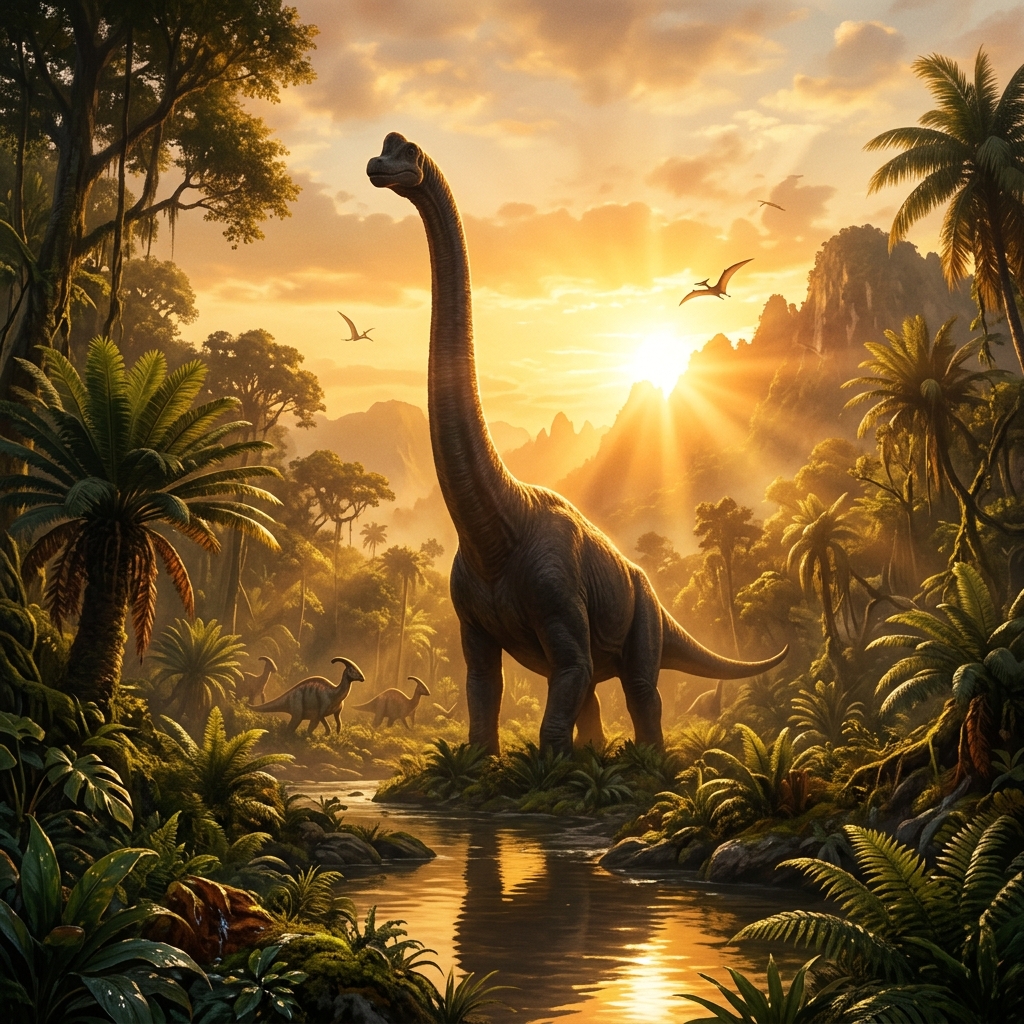
Steven Spielberg's Jurassic Park is a legendary sci-fi adventure that redefined cinematic technology and blockbusters. The plot centers on a wealthy entrepreneur named John Hammond, who has secretly created a theme park on the remote Isla Nublar. Using revolutionary genetic engineering, Hammond's company, InGen, has extracted dinosaur DNA from prehistoric mosquitoes preserved in amber to clone living dinosaurs. Before the park can open to the public, investors demand a safety inspection. Hammond invites paleontologist Dr. Alan Grant, paleobotanist Dr. Ellie Sattler, chaotician Dr. Ian Malcolm, and his own grandchildren, Lex and Tim, to preview the island. However, the tour goes horribly wrong when a tropical storm hits and a disgruntled computer programmer sabotages the security systems to steal dinosaur embryos. The power shuts down, the electric fences deactivate, and the cloned prehistoric predators escape, forcing the visitors to fight for survival in a dangerous environment where humans are no longer at the top of the food chain.
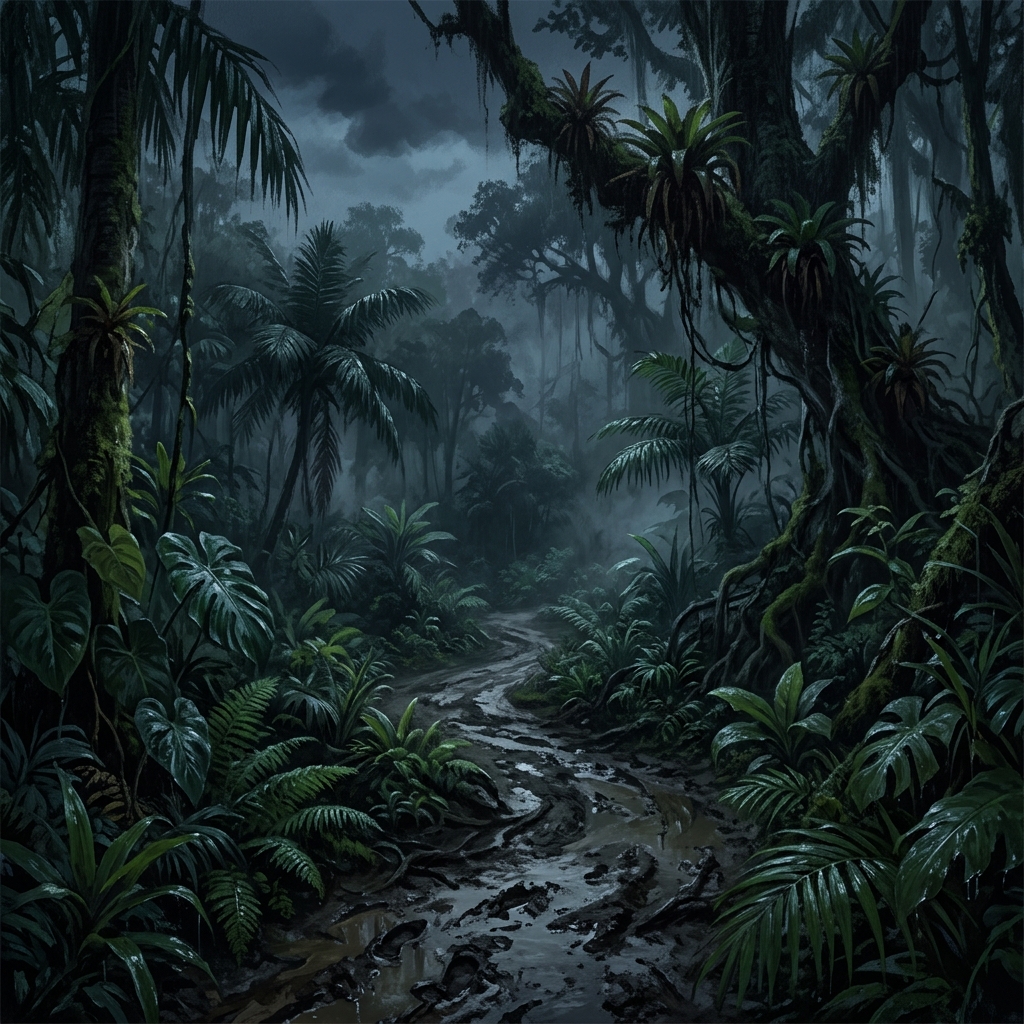
The Lost World: Jurassic Park expands the franchise by introducing a second island, Isla Sorna, also known as Site B. The story takes place four years after the disaster on Isla Nublar. John Hammond has lost control of InGen to his corporate-minded nephew, Peter Ludlow. Ludlow plans to capture the wild dinosaurs on Site B and bring them to a new theme park in San Diego to save the company from bankruptcy. Hammond, seeking to protect the animals, recruits Dr. Ian Malcolm to lead an expedition to document the dinosaurs in their natural habitat and build public support for ecological preservation. Malcolm is reluctant but joins the mission when he learns his girlfriend, paleontologist Dr. Sarah Harding, is already on the island. The research team soon collides with Ludlow's heavily armed mercenary hunters. When both groups are stranded without communication after a dinosaur attack, they must work together to reach an old communications station, navigating a jungle filled with aggressive predators.
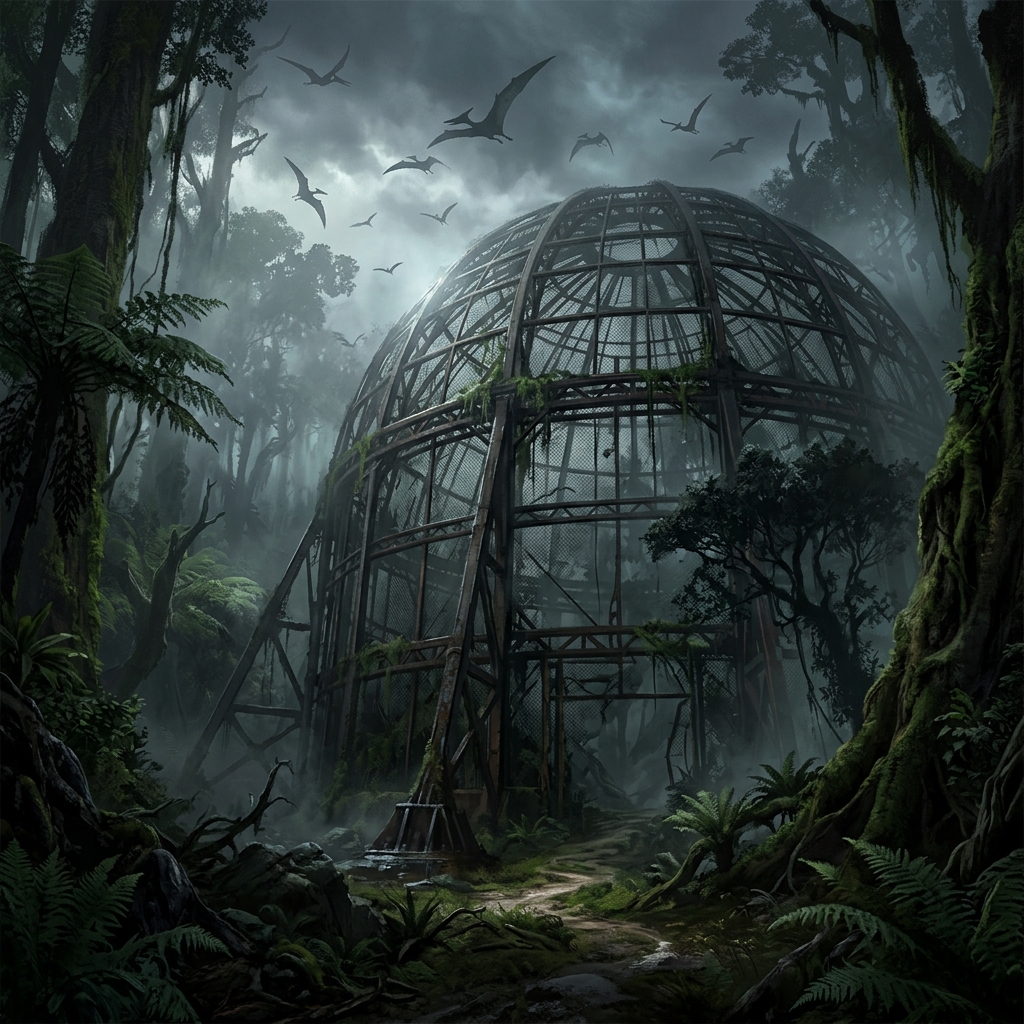
Jurassic Park III returns to the dangerous jungles of Isla Sorna for a fast-paced survival story. Dr. Alan Grant, still struggling to fund his paleontology research, is approached by Paul and Amanda Kirby, a wealthy couple who offer to fund his work if he guides them on an aerial tour of Site B. Grant agrees, bringing his assistant, Billy Brennan. However, the Kirbys reveal their true motive once they reach the island: they intend to land to search for their young son, Eric, who went missing during a parasailing accident near the coast. The plane lands, but an attack by a massive new predator, the Spinosaurus, destroys the aircraft and leaves the group stranded. As they travel across the island to reach the coast, they must survive encounters with the Spinosaurus, a pack of highly intelligent Velociraptors searching for stolen eggs, and a colony of aggressive Pteranodons inside a massive aviary.
Jurassic World modernizes the franchise by showing John Hammond's dream fully realized: a functional, high-tech dinosaur theme park on Isla Nublar. Owned by Masrani Global, the park attracts tens of thousands of visitors daily. However, to keep attendance high, corporate executives demand new attractions. The park's geneticists, led by Dr. Henry Wu, create the Indominus Rex, a highly intelligent and aggressive hybrid dinosaur made from the DNA of various species. Claire Dearing, the park manager, oversees operations, while Owen Grady, a former Navy specialist, conducts research on training a pack of Velociraptors. When the Indominus Rex outsmarts its handlers and escapes its enclosure, it begins hunting for sport, disrupting the park's security. Claire's nephews, Zach and Gray, are lost in the jungle, and Owen and Claire must find them. To stop the hybrid predator, Owen must use his bond with the raptors, leading to a massive battle that threatens the future of the park.
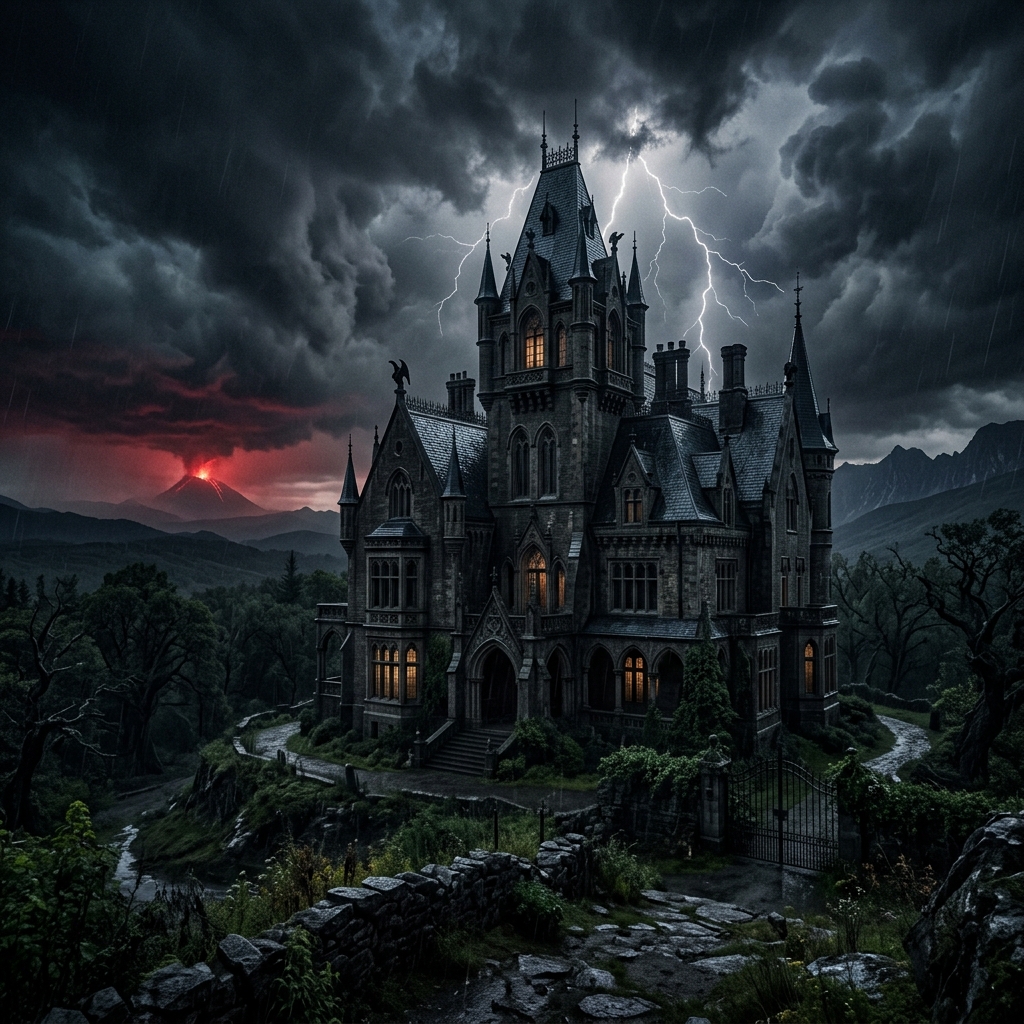
Jurassic World: Fallen Kingdom takes the franchise in a dark, atmospheric direction. Three years after the destruction of the resort, a volcanic eruption threatens to destroy Isla Nublar and its remaining dinosaurs. Claire Dearing, now a dinosaur rights activist, is recruited by Eli Mills, the assistant to John Hammond's former partner Sir Benjamin Lockwood. Mills plans to rescue the dinosaurs and move them to a private sanctuary. Claire recruits Owen Grady to help capture Blue, the last surviving Velociraptor. However, upon arriving on the island, Owen and Claire are betrayed by the rescue team's mercenaries. They discover that the dinosaurs are being sent to Lockwood Manor in Northern California to be auctioned to international weapons dealers. The auction's main attraction is the Indoraptor, a new, highly dangerous hybrid predator designed for military use. Owen and Claire escape the island before the volcano erupts and must infiltrate the manor to stop the auction and prevent the hybrid from escaping into the wild.
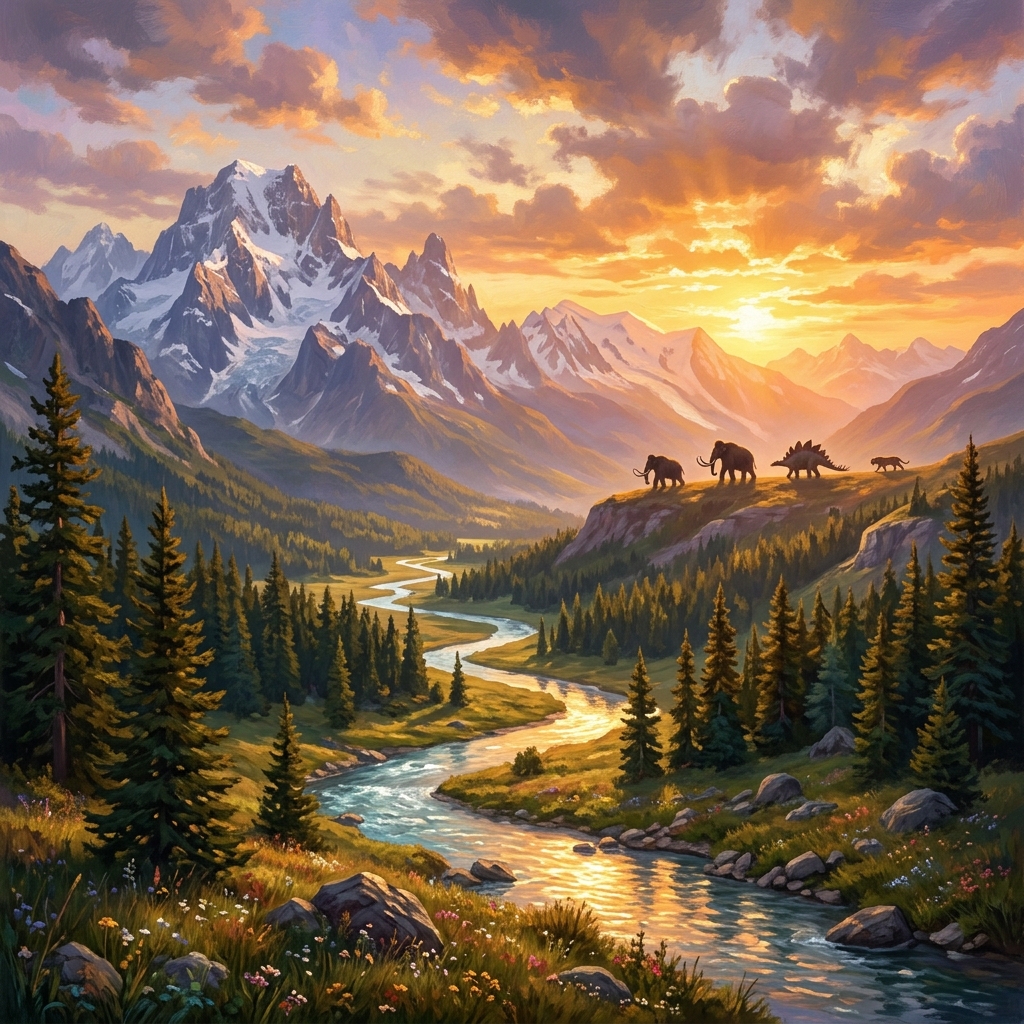
Jurassic World Dominion is the conclusion of the sequel trilogy, exploring a world where dinosaurs now live and hunt alongside humans globally. The story takes place four years after the events at Lockwood Manor. Owen Grady and Claire Dearing live in a remote cabin in the Sierra Nevada mountains to protect Maisie Lockwood from kidnapping by companies seeking to study her genetic makeup. Meanwhile, a swarm of giant genetically engineered locusts threatens the global food supply by destroying crops. Dr. Ellie Sattler suspects the locusts were created by Biosyn, a powerful biotechnology corporation led by Lewis Dodgson. Ellie recruits Dr. Alan Grant to help investigate Biosyn's headquarters in the Italian Alps. Dr. Ian Malcolm, working as an in-house philosopher at Biosyn, assists them. When Maisie is kidnapped by Biosyn agents, Owen and Claire pursue them, leading to a meeting of the original Jurassic Park cast and the modern Jurassic World characters inside Biosyn's private dinosaur sanctuary.
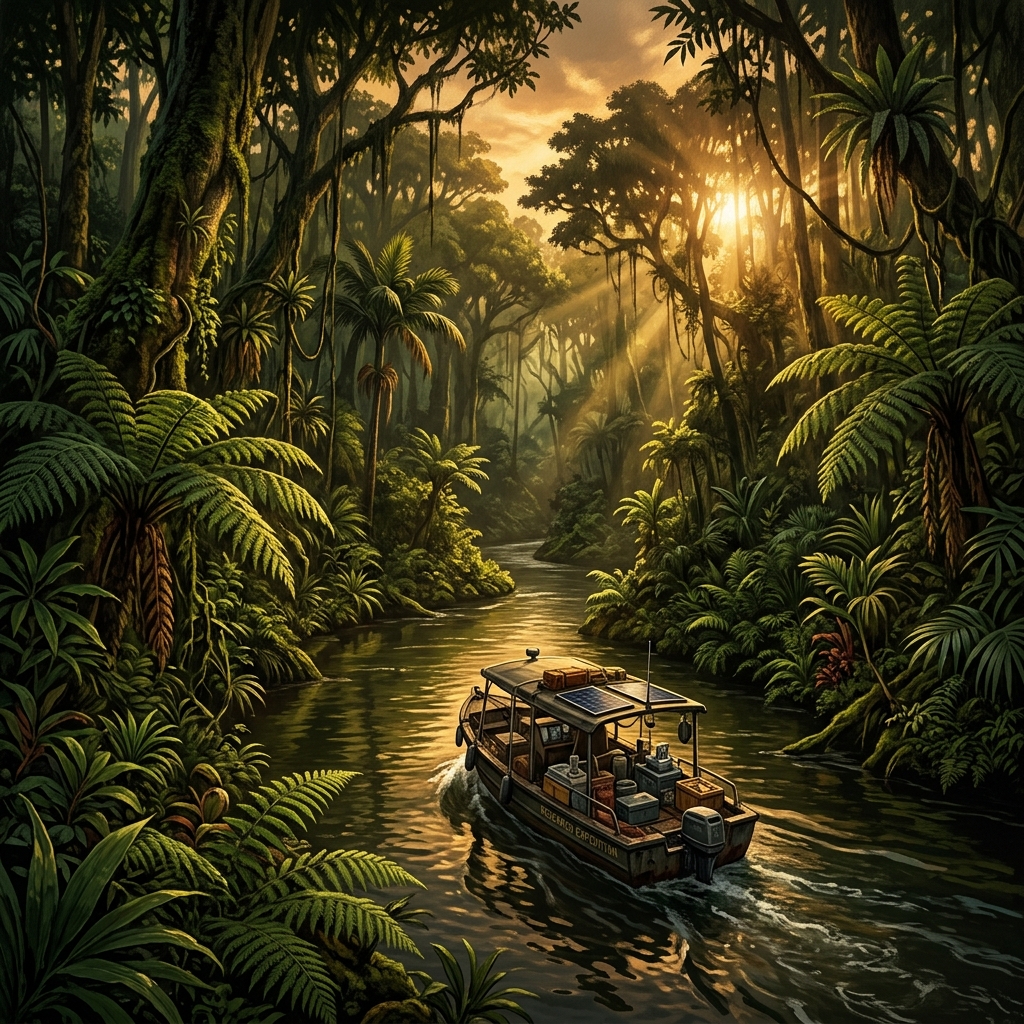
Jurassic World Rebirth serves as a soft reboot of the franchise, shifting the focus back to suspense-filled survival. The story takes place five years after the events of Dominion. The Earth's biosphere has proven hostile to prehistoric life, and the remaining dinosaurs now struggle to survive in localized equatorial climate zones. Zora Bennett, a skilled covert operations expert, is hired by a major pharmaceutical corporation to lead an expedition into these tropical zones. Her mission is to secure vital genetic material from the world's three largest remaining dinosaur species. The company believes this genetic material holds the key to a medical breakthrough that could cure various human illnesses. Zora's team travels to a remote jungle, but their mission is disrupted when they rescue a shipwrecked family. The group finds themselves stranded in a dangerous, isolated environment, hunted by unique mutated threats and returning predators, forcing them to fight for survival.
Open any title for a spoiler-aware critical essay, production notes, thematic analysis, and FAQs.
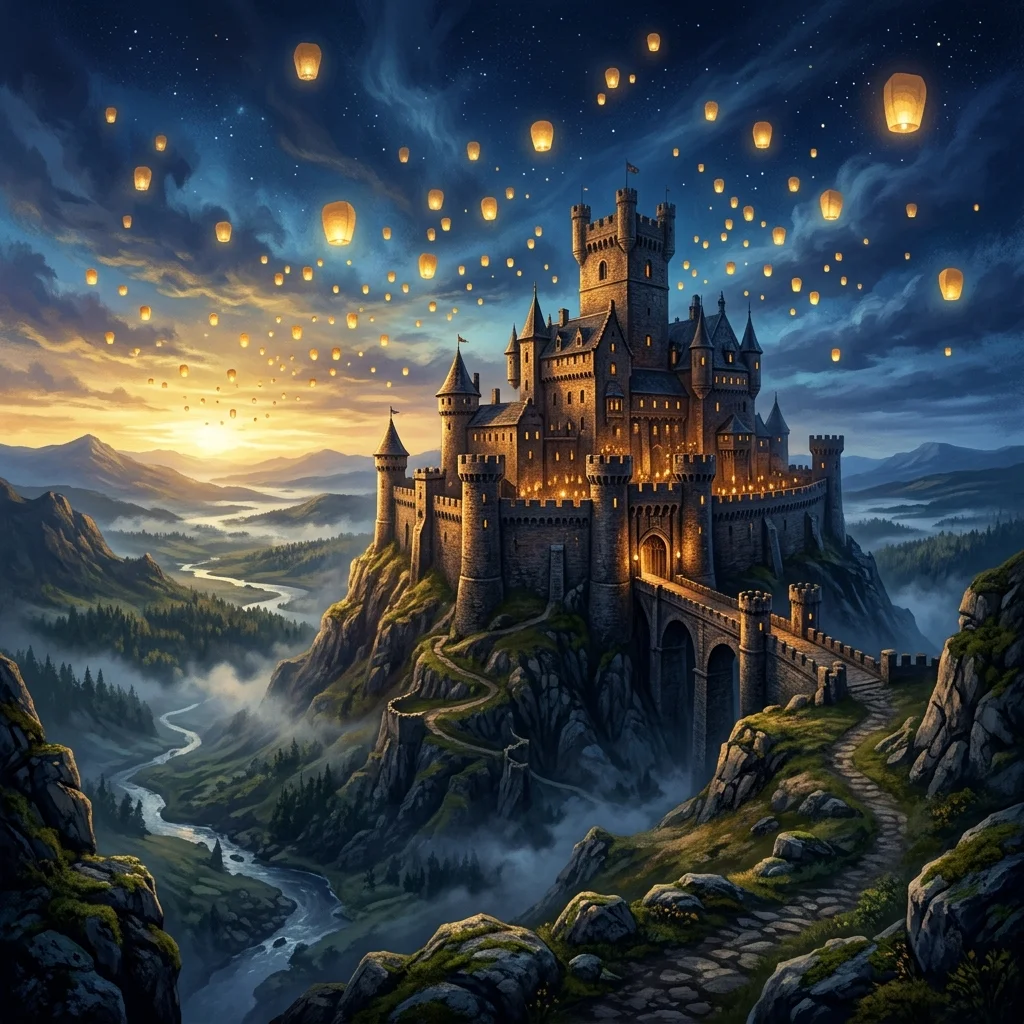
On his eleventh birthday, Harry Potter, an neglected orphan raised by his cruel aunt and uncle, discovers he is actually a wizard and has been invited to attend Hogwarts School of Witchcraft and Wizardry. Escaping his mundane life with the help of the gentle giant Rubeus Hagrid, Harry enters a magical world where he learns the truth about his past: his parents were killed by the dark wizard Lord Voldemort, and Harry somehow survived the attack as an infant, leaving him with a lightning-bolt scar and global fame. At Hogwarts, Harry makes close friends with Ron Weasley and Hermione Granger, and together they explore the secrets of the castle. When they discover that a powerful, life-prolonging object known as the Sorcerer's Stone is hidden within the school, they suspect a teacher is planning to steal it for the weakened Voldemort, forcing the young wizards to bypass a series of dangerous magical defenses to protect it.
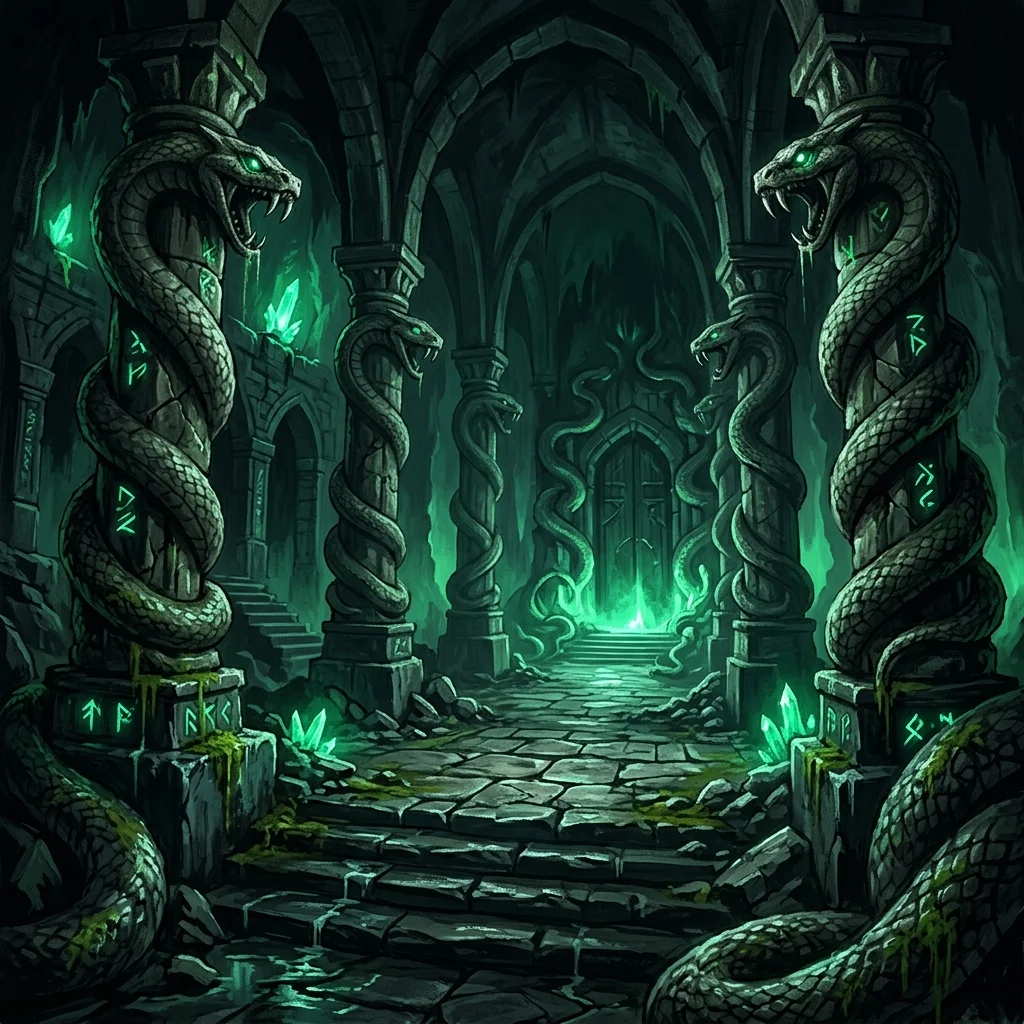
During his second year at Hogwarts, Harry Potter ignores warnings from a house-elf named Dobby and returns to school, only to find the castle threatened by a mysterious dark force. Someone has reopened the legendary Chamber of Secrets, releasing a hidden monster that petrifies students born to non-magical parents (Muggle-borns). As fear spreads, suspicion falls on Harry when he accidentally reveals he can speak Parseltongue—the language of snakes. With their friend Hermione Granger among the victims, Harry and Ron Weasley must unravel the mystery of the Chamber's creator, Salazar Slytherin, and locate the Chamber itself. Their search leads to a confrontation with a memory of the young Voldemort (Tom Riddle) preserved in an enchanted diary, forcing Harry to battle a giant serpent, the Basilisk, to save Ron's sister, Ginny.
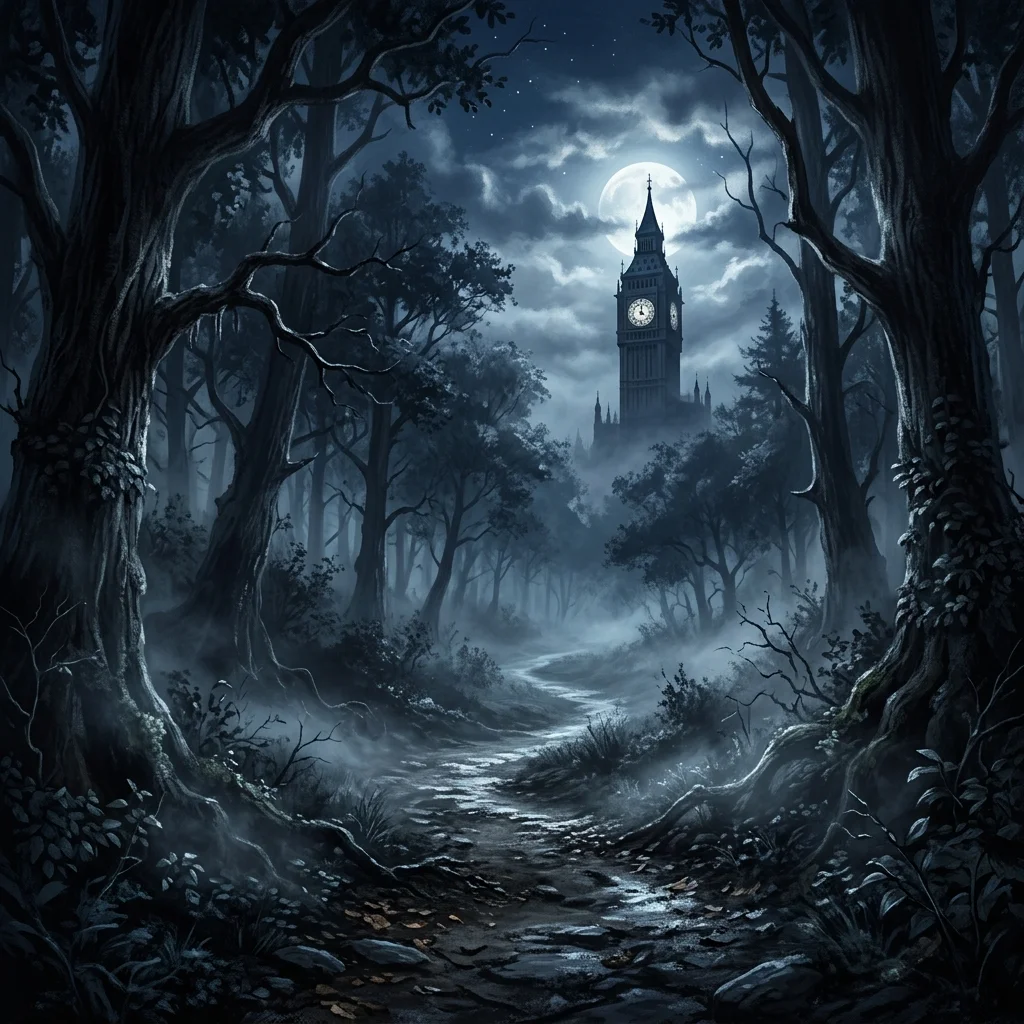
In his third year at Hogwarts, Harry Potter faces a personal threat when Sirius Black, a dangerous murderer and follower of Lord Voldemort, escapes from the wizard prison Azkaban. The school is guarded by Dementors—terrifying spectral guards who drain happiness and feed on despair. Under the guidance of the new Defense Against the Dark Arts teacher, Remus Lupin, Harry learns the Patronus Charm to defend himself. When Harry and his friends discover that Sirius was actually his parents' best friend, they suspect he betrayed them to Voldemort. However, they soon uncover the truth: Sirius is innocent, framed by Peter Pettigrew, who has been hiding as Ron's pet rat. To save Sirius from the Dementors, Harry and Hermione must use a Time-Turner to rewrite the events of the night.
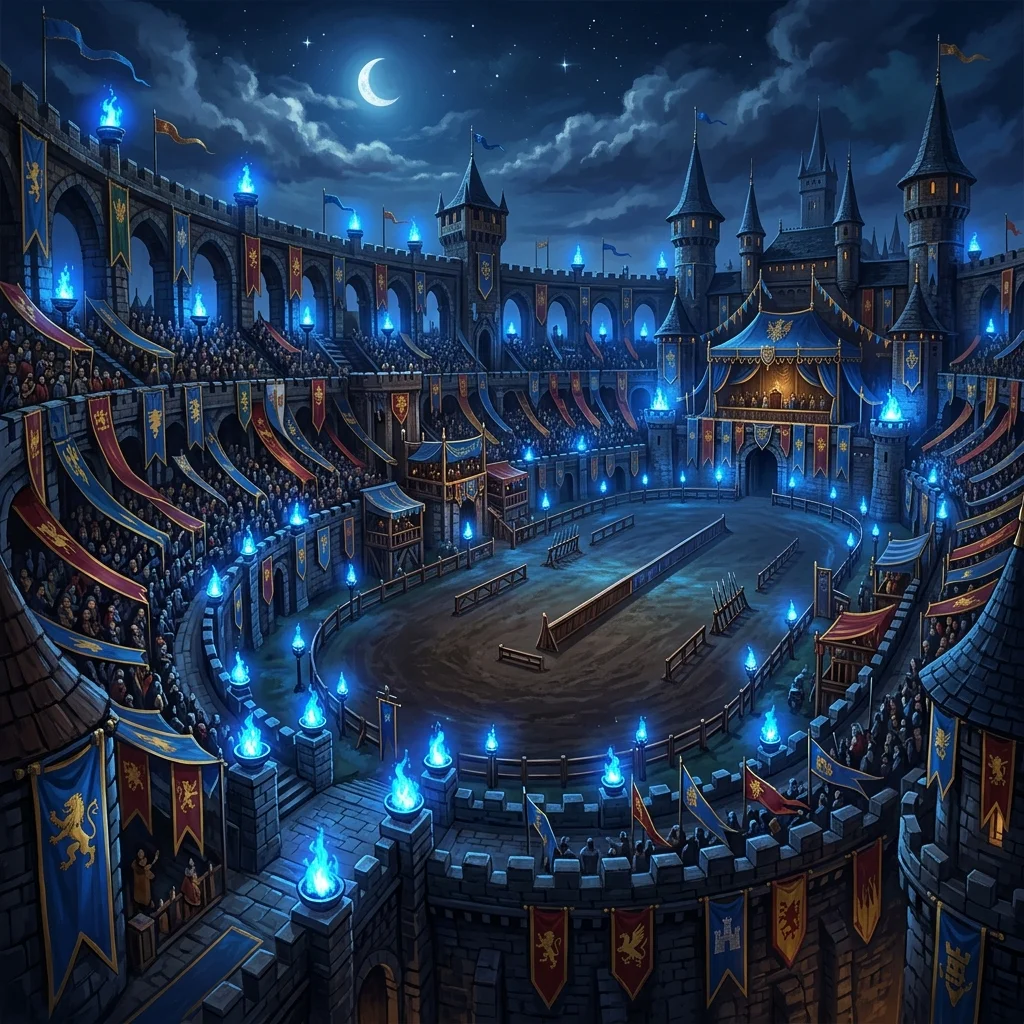
In his fourth year, Harry Potter is mysteriously selected as a fourth champion in the Triwizard Tournament—a dangerous magical competition between three European wizarding schools. Because the rules are binding, Harry must compete in three trials: battling a dragon, rescuing friends from a frozen lake, and navigating a hedge maze. As Harry struggles with the tournament and the social pressures of the Yule Ball, he remains unaware of a conspiracy. The tournament has been manipulated by Voldemort's followers to lead Harry to a graveyard. There, Voldemort uses Harry's blood to regain his physical body, resulting in a duel where Harry narrowly escapes, bringing back the body of classmate Cedric Diggory and announcing the Dark Lord's return.
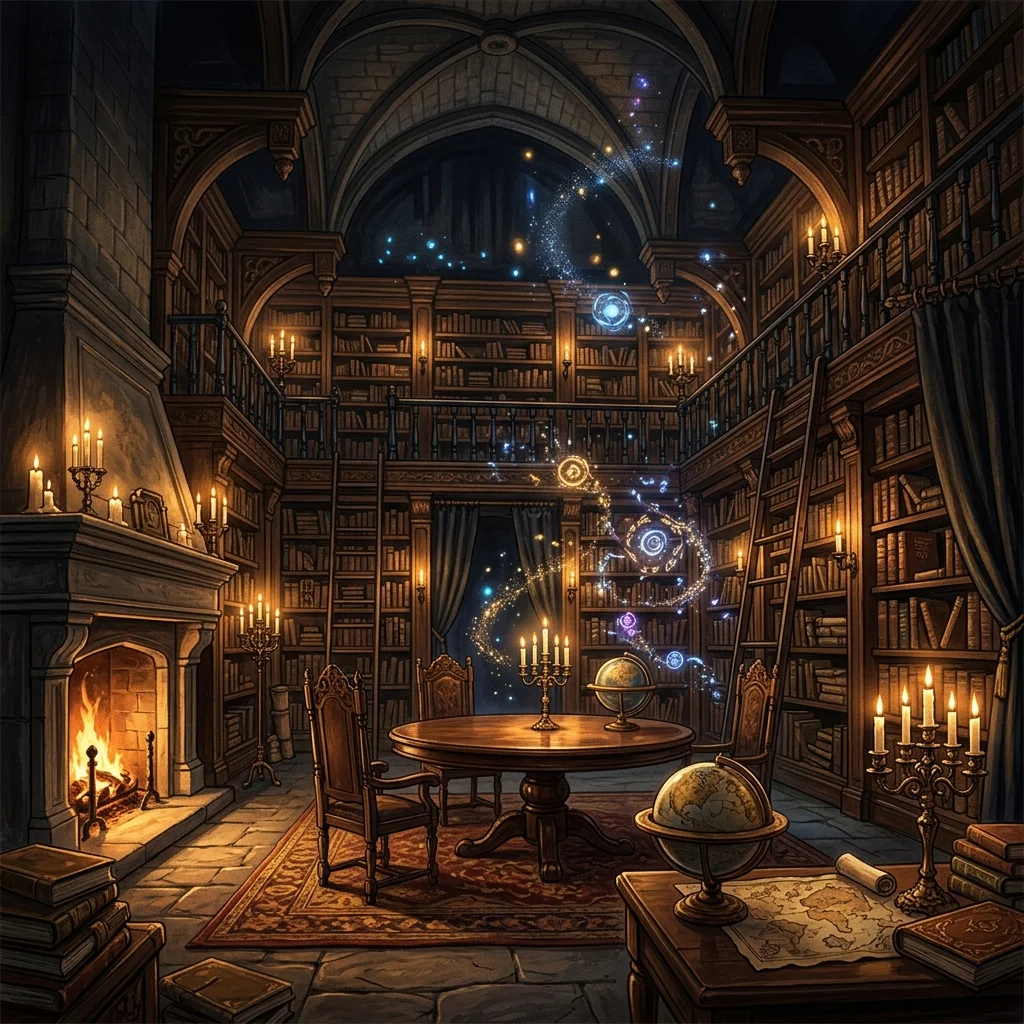
In his fifth year, Harry Potter discovers that the Ministry of Magic is denying Voldemort's return, labeling Harry and Dumbledore as liars. The Ministry installs Dolores Umbridge as the new Defense Against the Dark Arts teacher to monitor the school. Umbridge refuses to teach practical magic, establishing a bureaucratic regime that strips students of their rights. In response, Harry forms "Dumbledore's Army," secretly training students in defensive spells. When Harry has visions of his godfather Sirius Black being tortured at the Ministry, he leads his friends to rescue him. They are ambushed by Death Eaters, resulting in a battle where Sirius is killed by Bellatrix Lestrange, and Voldemort's return is finally witnessed by the Minister of Magic.
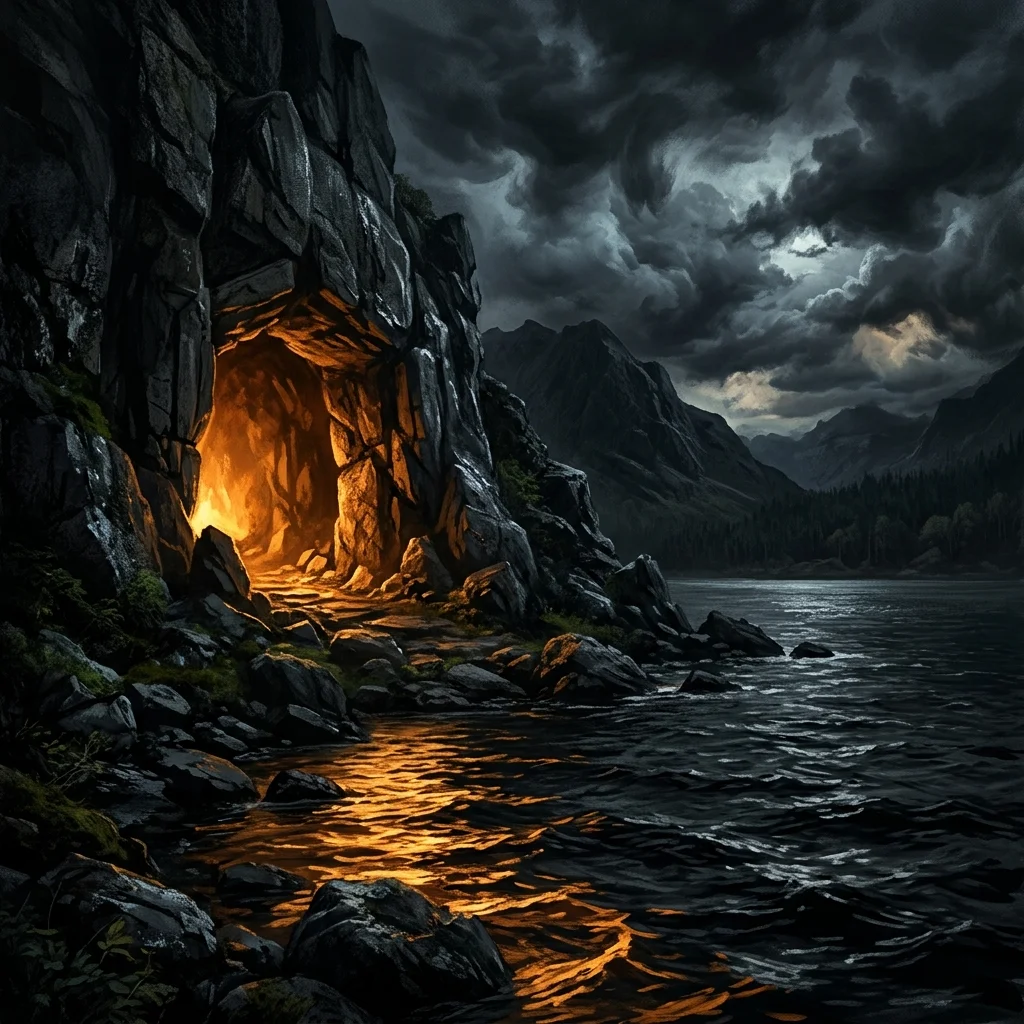
In his sixth year, Harry Potter discovers an old potions textbook belonging to the "Half-Blood Prince," filled with handwritten spells that help him excel in class. As Voldemort's Death Eaters terrorize both the Muggle and magical worlds, Dumbledore recruits Harry for private lessons. Together, they use Dumbledore's Pensieve to explore Voldemort's past, discovering that the Dark Lord divided his soul into seven Horcruxes to achieve immortality. While Harry suspects Draco Malfoy is planning a Death Eater invasion of Hogwarts, Dumbledore takes Harry to retrieve a Horcrux, weakening himself in the process. Upon their return, Malfoy corners Dumbledore, but Severus Snape steps in, casting the killing curse on Dumbledore and escaping, leaving the school defenseless.
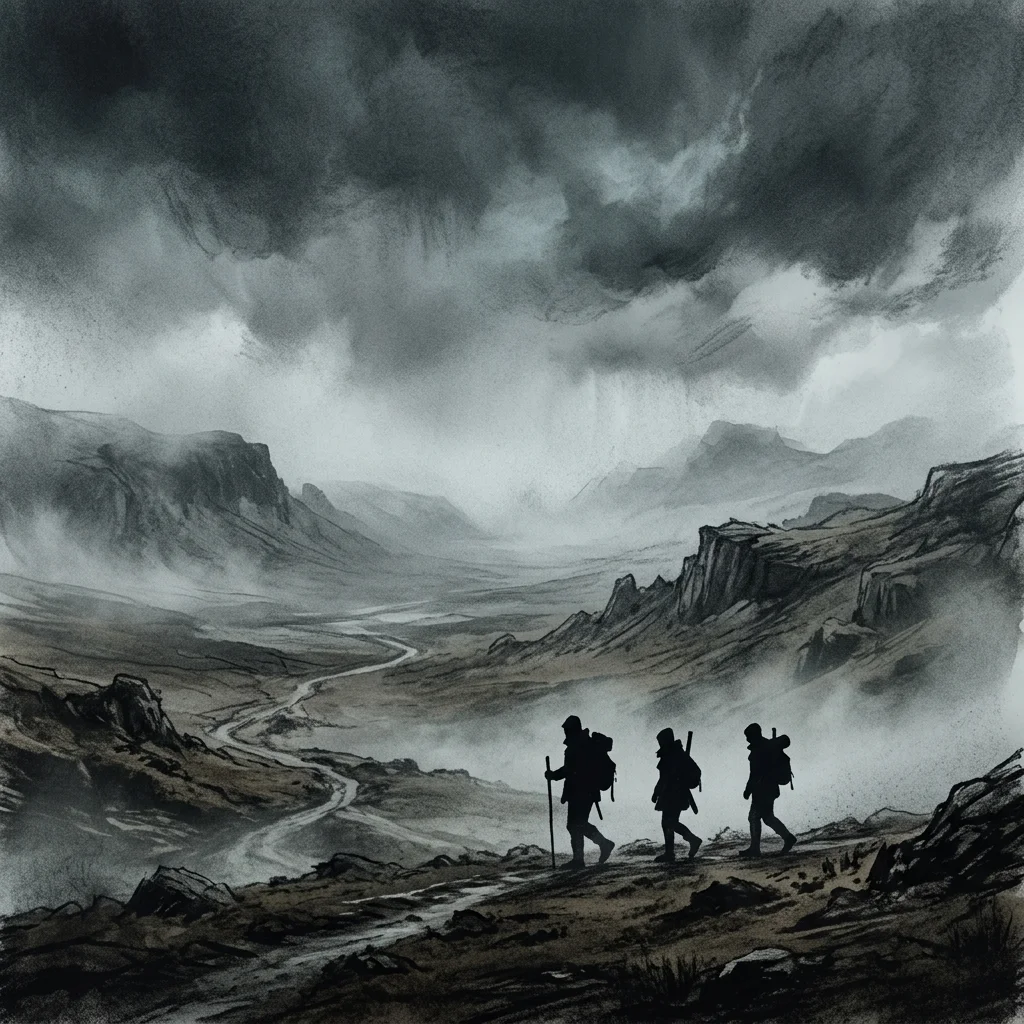
Instead of returning to Hogwarts, Harry, Ron, and Hermione set out on a dangerous mission to locate and destroy Voldemort's remaining Horcruxes. Without the guidance of Dumbledore, they must rely on each other, traveling across the country while hiding from Death Eaters who have taken control of the Ministry of Magic. As they search, they learn about the "Deathly Hallows"—three legendary magical objects that grant mastery over death. The physical and emotional strain of the journey, combined with the corrupting influence of a Horcrux locket, causes a rift between the friends, leading Ron to abandon the group. Though he eventually returns to save Harry's life, they are captured by Snatchers, escaping with the help of Dobby, who is tragically killed in the rescue.
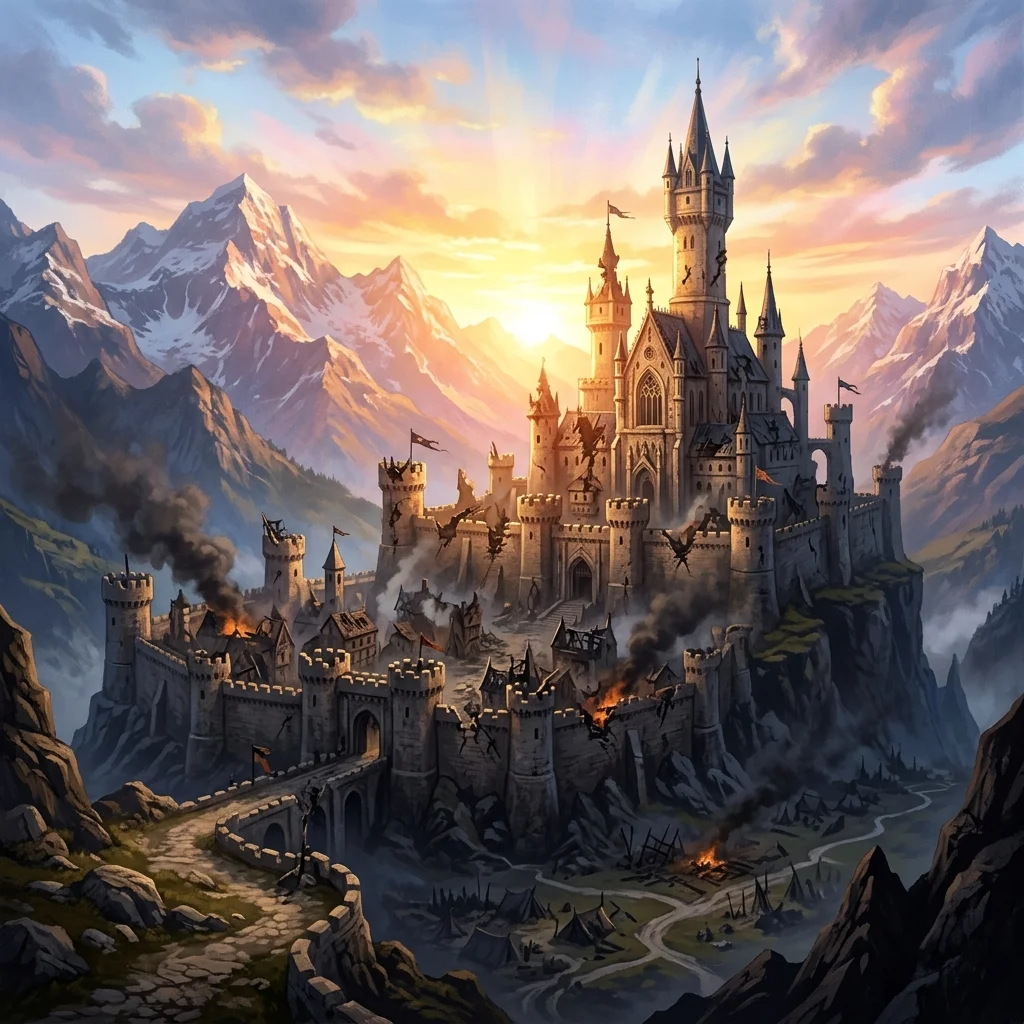
In the epic conclusion of the franchise, Harry, Ron, and Hermione return to Hogwarts to locate the final Horcruxes as Lord Voldemort gathers his massive army of Death Eaters for a final attack. The school becomes a battlefield, defended by teachers and members of the Order of the Phoenix. As the battle rages, Harry discovers the truth about Severus Snape's loyalty through his memories, learning that Snape loved Harry's mother and protected Harry under Dumbledore's orders. Realizing he contains a piece of Voldemort's soul, Harry willingly faces the Dark Lord in the Forbidden Forest, surviving the killing curse once more. Returning to the castle, Harry duels Voldemort as Neville Longbottom destroys the final Horcrux, leading to Voldemort's permanent defeat.
Jurassic Park is an ideal foundation for this archive because its central conflict never becomes obsolete. The characters possess extraordinary technical power but repeatedly confuse the ability to create life with the ability to predict it. Each sequel relocates that mistake: a hunting expedition, an illegal research mission, a commercial resort, an animal auction, a global biotechnology company, or a pharmaceutical expedition. The quality varies, yet the recurring pattern makes comparison productive.
The series also documents a major period of effects history. The 1993 film's carefully planned combination of full-scale animatronics and a small number of digital shots changed audience expectations. Later entries inherited that achievement in an industry where digital creatures were no longer rare. Their challenge became expressive design and integration rather than simple novelty. Looking across the series shows why technology alone never guarantees conviction; staging and restraint remain decisive.
Use the franchise hub for the complete sequence and its historical overview, then open any movie card for an individual critical essay. Related reading connects those reviews to broader discussions of villains, visual effects, sequel structure, and the changing language of creature cinema.
Breadth should come from finished work, not empty category pages. Infosparkks Movies currently gives the Jurassic films a complete, connected treatment while the essay section widens the lens to creature features, effects practice, and franchise storytelling across cinema. New hubs will appear only when they can offer the same combination of reliable navigation and substantial criticism.
That approach makes the archive deliberately selective. It also means each published route has a reason to exist. Readers should leave a hub knowing not only what comes next, but what changed, why the change matters, and which essay can take the question further.
Stay informed about new franchise guides, movie analysis articles, editorial updates, and website announcements.