Classic Era
Jurassic Park
1993 2h 7m Dir: Steven Spielberg Box Office: $1.06 Billion
Official Release Date: June 11, 1993
Classic Era
Official Release Date: June 11, 1993
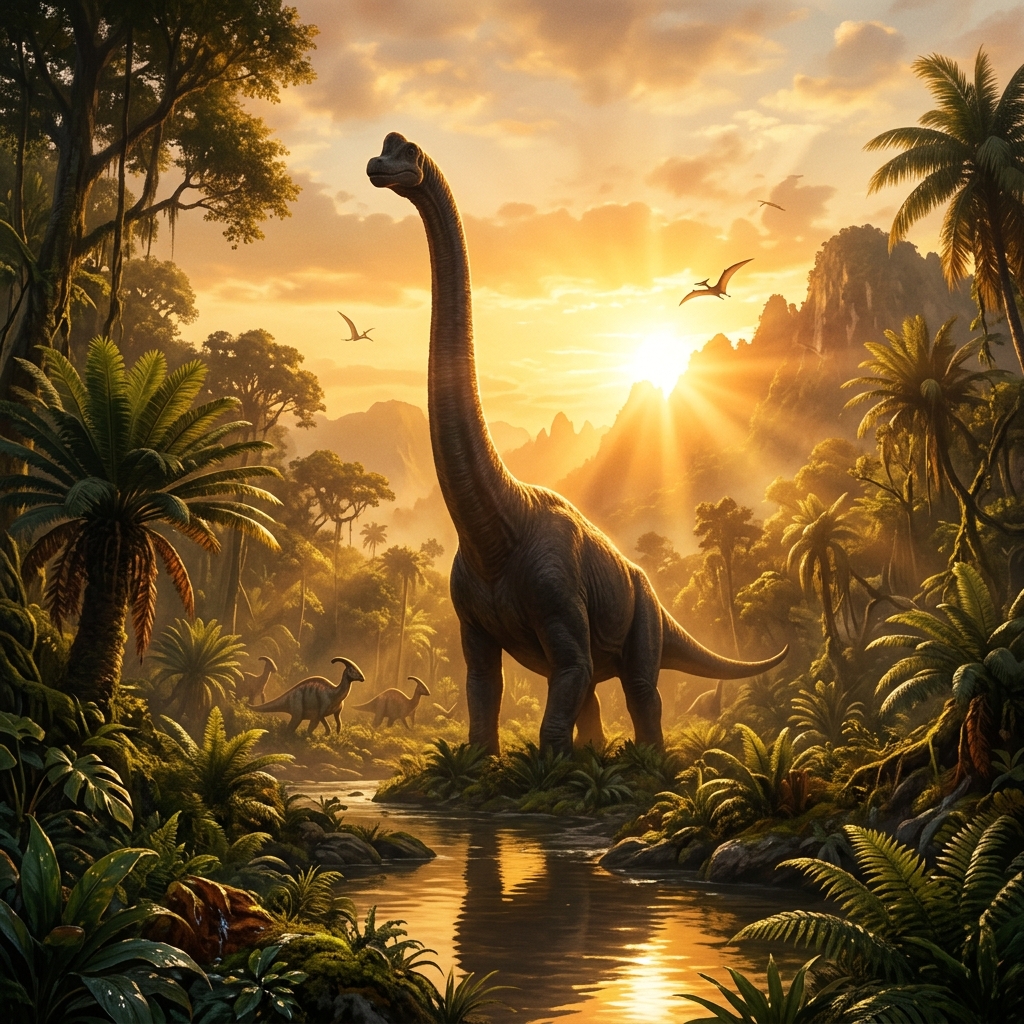
Steven Spielberg's Jurassic Park is a legendary sci-fi adventure that redefined cinematic technology and blockbusters. The plot centers on a wealthy entrepreneur named John Hammond, who has secretly created a theme park on the remote Isla Nublar. Using revolutionary genetic engineering, Hammond's company, InGen, has extracted dinosaur DNA from prehistoric mosquitoes preserved in amber to clone living dinosaurs. Before the park can open to the public, investors demand a safety inspection. Hammond invites paleontologist Dr. Alan Grant, paleobotanist Dr. Ellie Sattler, chaotician Dr. Ian Malcolm, and his own grandchildren, Lex and Tim, to preview the island. However, the tour goes horribly wrong when a tropical storm hits and a disgruntled computer programmer sabotages the security systems to steal dinosaur embryos. The power shuts down, the electric fences deactivate, and the cloned prehistoric predators escape, forcing the visitors to fight for survival in a dangerous environment where humans are no longer at the top of the food chain.
Jurassic Park remains a timeless masterpiece of cinema, demonstrating Steven Spielberg's unique ability to blend child-like wonder with intense, nail-biting suspense. The film is structured beautifully, taking its time to build anticipation. When we finally see the first Brachiosaurus, the scene is filled with awe, accompanied by John Williams' sweeping, iconic score. This sense of beauty, however, makes the subsequent descent into terror much more effective. The middle act contains some of the most memorable suspense sequences in film history, such as the Tyrannosaurus Rex escaping its enclosure, marked by the simple, terrifying visual of water rippling in a plastic cup. The film's script, adapted by David Koepp from Michael Crichton's novel, balances scientific ethics with blockbuster entertainment. It explores the consequences of scientific arrogance, exemplified by Ian Malcolm's famous observation that InGen's scientists were so preoccupied with whether they could clone dinosaurs that they didn't stop to think if they should. The performances are excellent, with Sam Neill, Laura Dern, and Jeff Goldblum creating memorable characters who feel like real scientists rather than action heroes. Ultimately, the movie's success lies in its pacing, intelligence, and a deep respect for the power of nature.
As the foundation of the entire franchise, the 1993 film established the central themes, visual aesthetics, and lore that continue to define the series. It introduced InGen, the corporate entity responsible for genetic cloning, and set the philosophical conflict between commercial exploitation and natural order. The movie also introduced key characters who return throughout the sequels. By establishing Isla Nublar as the primary setting, it created a mythical space in modern pop culture. The film's success made a sequel inevitable, laying the groundwork for a multi-decade franchise that would eventually expand into the Jurassic World trilogy.
The production of Jurassic Park is famous for its pioneering work in visual effects. Director Steven Spielberg initially planned to use go-motion animatics for the dinosaurs, but visual effects artists at Industrial Light & Magic demonstrated that computer-generated imagery could create realistic movement. Spielberg chose to combine digital effects with life-sized animatronics designed by Stan Winston. This hybrid approach ensured that the actors had physical props to interact with, resulting in highly realistic performances. Filming on Kauai was disrupted by Hurricane Iniki, forcing the crew to move production to Oahu for several final scenes.
Fans remember Jurassic Park for its iconic imagery and memorable dialogue. The terrifying kitchen scene where Lex and Tim hide from two intelligent Velociraptors is a masterclass in tension. Ian Malcolm's witty remarks, Ellie Sattler's determination, and the climactic roar of the T-Rex saving the survivors in the visitor center lobby are deeply embedded in cinematic history. The film's realistic sound design, particularly the T-Rex's roar created by combining baby elephant, alligator, and tiger sounds, continues to thrill audiences today.
Steven Spielberg's Jurassic Park represents a watershed moment in the history of filmmaking, acting as the bridge between traditional physical cinema and the modern digital era. On a technical level, the film is celebrated for its hybrid approach to visual effects, blending Stan Winston's lifelike animatronics with Industrial Light & Magic's pioneering computer-generated imagery. This combination achieved a level of photorealism that remains convincing even decades later, proving that digital creatures could convey weight, texture, and emotion. Beyond its technical achievements, the film's narrative structure is a masterclass in slow-burn suspense. Spielberg builds anticipation by delaying the first full dinosaur appearance for over forty minutes, allowing the tension to mount through sound design and characters' scientific debates. This pacing mirrors classic horror films, transforming the resort into a tense hunting ground where the humans are outmatched.
From a filmmaking perspective, Spielberg's camera work is crucial to the film's success. He frequently uses low-angle shots to emphasize the massive scale of the dinosaurs, forcing the audience to share the characters' sense of vulnerability. The lighting, designed by cinematographer Dean Cundey, shifts from bright, optimistic tropical tones in the first half to dark, shadow-drenched blues during the storm, heightening the survival-horror atmosphere. Upon its release in 1993, Jurassic Park was a massive cultural phenomenon, breaking box office records globally and sparking a renewed interest in paleontology among the general public. Critics praised its pacing, performances, and visual design, though some noted that it softened the darker, more cynical aspects of Michael Crichton's original novel. Ultimately, the film's impact lies in how it changed the scope of what was possible in cinema, establishing the template for the modern summer blockbuster.
The film's enduring theme is not that science is inherently dangerous; it is that discovery becomes dangerous when institutions rush past accountability. Hammond calls himself a showman and repeatedly frames the park as a gift, but his language turns living animals into attractions before anyone has studied the ecosystem he created. Malcolm's chaos theory gives the screenplay a vocabulary for uncertainty, while Ellie exposes a more practical failure: poisonous plants, unmanned systems, and ignored expertise reveal that the park is unsafe long before the fences fail. Grant's arc provides the emotional counterweight. He begins uncomfortable with children and ends protecting Lex and Tim through knowledge, patience, and trust. That change prevents the movie from becoming only a warning about technology. Its legacy comes from holding incompatible feelings together. The Brachiosaurus scene makes resurrection seem transcendent; the sick Triceratops makes it intimate; the raptor hunt makes it terrifying. Later blockbusters copied the digital breakthrough, but fewer matched this careful progression from promise to consequence.
Jurassic Park is a rare blockbuster that succeeds on every level. It is a technical milestone, a philosophical thriller, and an exciting adventure. More than thirty years after its release, it remains the gold standard for creature features and is widely regarded as one of the greatest films ever made.
Yes. It establishes the cloning process, Isla Nublar, InGen, and the ethical argument that every sequel inherits. Release order and story chronology both begin here.
The production divides the work according to each technique's strengths. Full-scale animatronics provide texture and physical interaction in close shots, while digital animation handles movement that mechanical rigs could not perform.
The overview explains the basic setup, while the review and analysis discuss major sequences and the ending. New viewers should stop after the overview and return for the critical sections afterward.
The studio's original promotional trailer, included as production context.
No previous movie.
Continue through nearby entries and compare how the series changes.
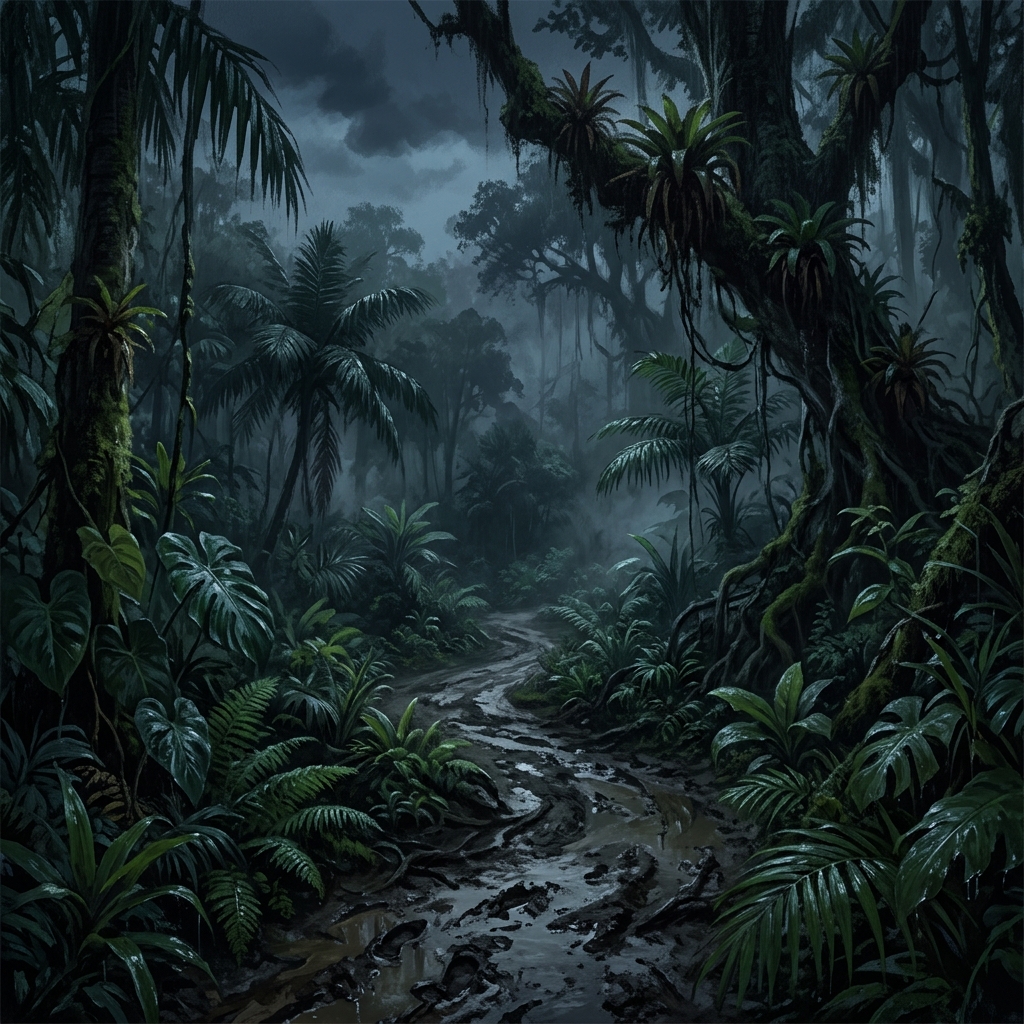
The Lost World: Jurassic Park expands the franchise by introducing a second island, Isla Sorna, also known as Site B. The story takes place four years after the disaster on Isla Nublar. John Hammond has lost control of InGen to his corporate-minded nephew, Peter Ludlow. Ludlow plans to capture the wild dinosaurs on Site B and bring them to a new theme park in San Diego to save the company from bankruptcy. Hammond, seeking to protect the animals, recruits Dr. Ian Malcolm to lead an expedition to document the dinosaurs in their natural habitat and build public support for ecological preservation. Malcolm is reluctant but joins the mission when he learns his girlfriend, paleontologist Dr. Sarah Harding, is already on the island. The research team soon collides with Ludlow's heavily armed mercenary hunters. When both groups are stranded without communication after a dinosaur attack, they must work together to reach an old communications station, navigating a jungle filled with aggressive predators.
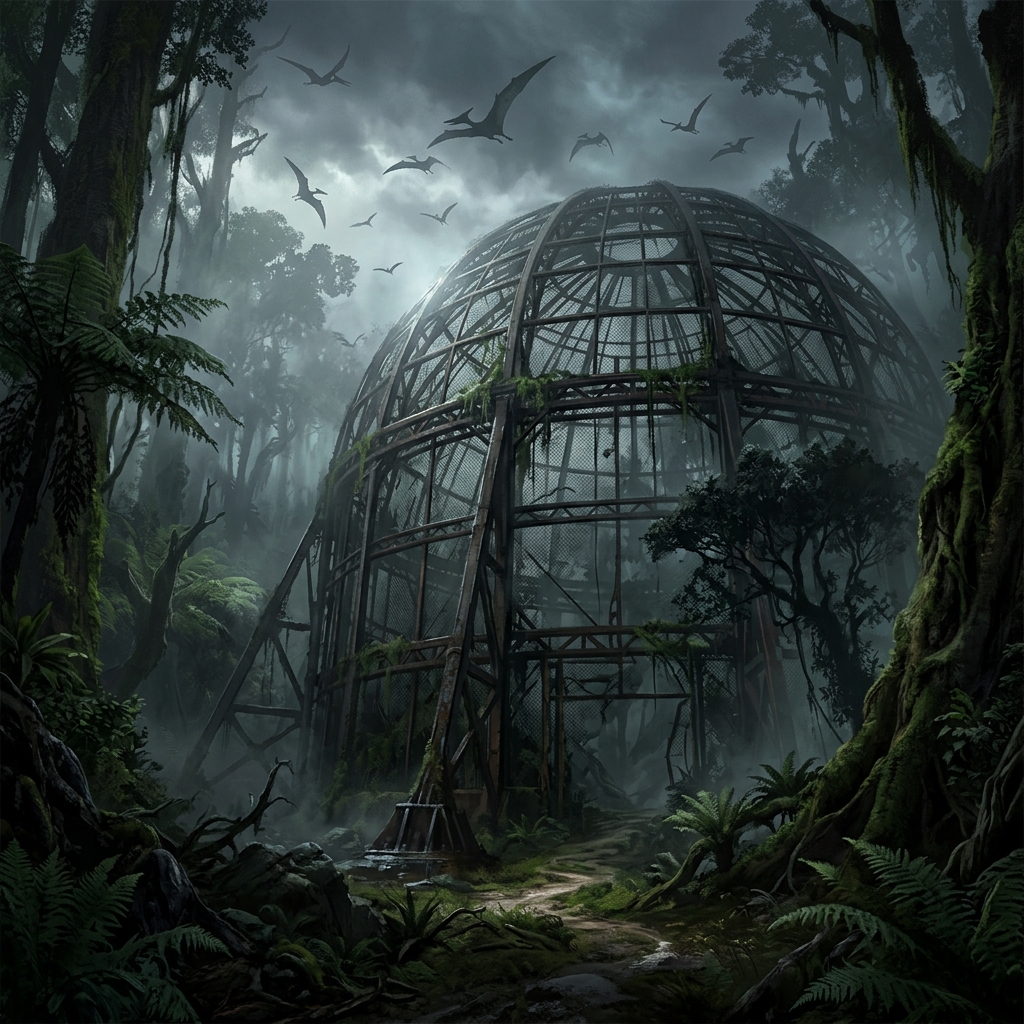
Jurassic Park III returns to the dangerous jungles of Isla Sorna for a fast-paced survival story. Dr. Alan Grant, still struggling to fund his paleontology research, is approached by Paul and Amanda Kirby, a wealthy couple who offer to fund his work if he guides them on an aerial tour of Site B. Grant agrees, bringing his assistant, Billy Brennan. However, the Kirbys reveal their true motive once they reach the island: they intend to land to search for their young son, Eric, who went missing during a parasailing accident near the coast. The plane lands, but an attack by a massive new predator, the Spinosaurus, destroys the aircraft and leaves the group stranded. As they travel across the island to reach the coast, they must survive encounters with the Spinosaurus, a pack of highly intelligent Velociraptors searching for stolen eggs, and a colony of aggressive Pteranodons inside a massive aviary.
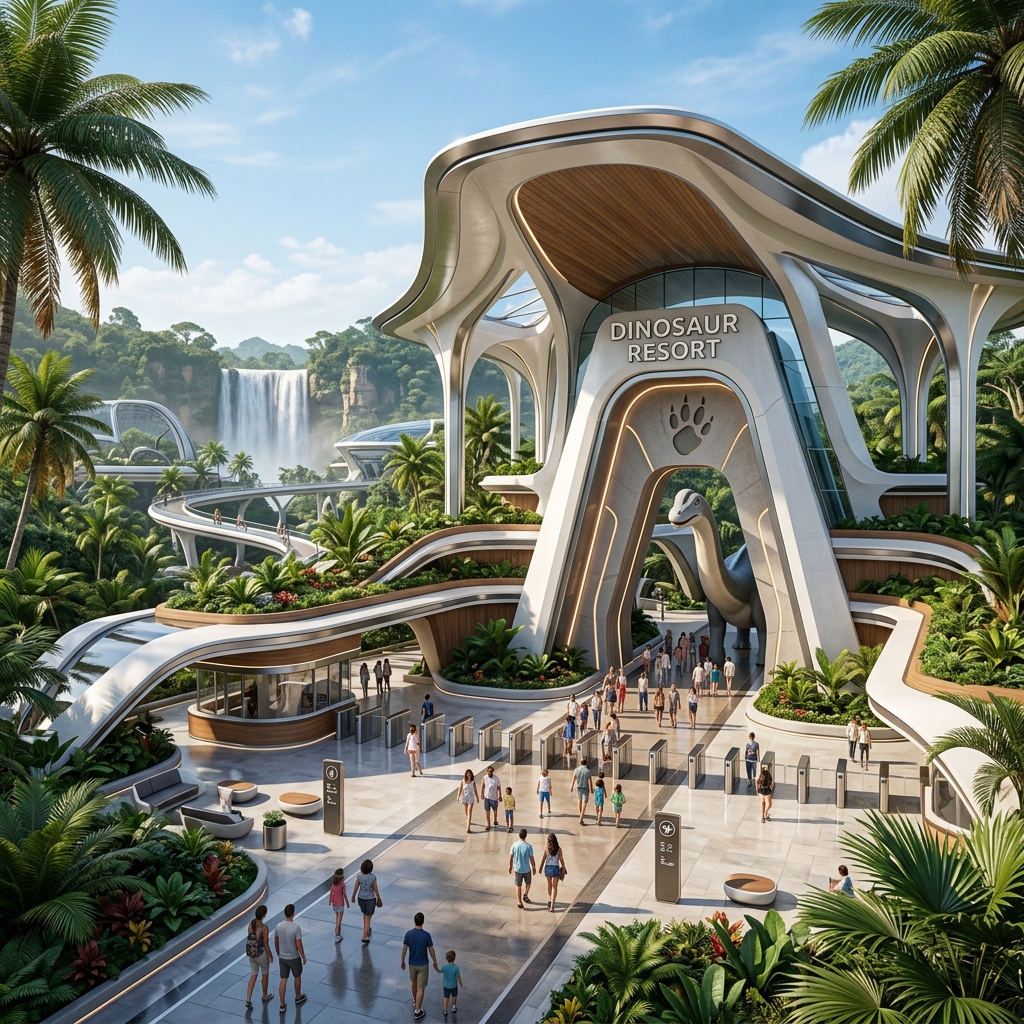
Jurassic World modernizes the franchise by showing John Hammond's dream fully realized: a functional, high-tech dinosaur theme park on Isla Nublar. Owned by Masrani Global, the park attracts tens of thousands of visitors daily. However, to keep attendance high, corporate executives demand new attractions. The park's geneticists, led by Dr. Henry Wu, create the Indominus Rex, a highly intelligent and aggressive hybrid dinosaur made from the DNA of various species. Claire Dearing, the park manager, oversees operations, while Owen Grady, a former Navy specialist, conducts research on training a pack of Velociraptors. When the Indominus Rex outsmarts its handlers and escapes its enclosure, it begins hunting for sport, disrupting the park's security. Claire's nephews, Zach and Gray, are lost in the jungle, and Owen and Claire must find them. To stop the hybrid predator, Owen must use his bond with the raptors, leading to a massive battle that threatens the future of the park.
Essays connecting this film to effects craft, storytelling, and franchise history.
An in-depth thematic analysis comparing the suspense of the original trilogy with the global scale of the sequel trilogy.
Film EssayAn exhaustive cinematic ranking of the greatest prehistoric adventures, tracking stop-motion classics to modern CGI landmarks.
Film EssayHow a perfect blend of Stan Winston animatronics and ILM computer graphics revolutionized visual effects forever.
Stay informed about new franchise guides, movie analysis articles, editorial updates, and website announcements.