Classic Era
The Lost World: Jurassic Park
1997 2h 9m Dir: Steven Spielberg Box Office: $618.6 Million
Official Release Date: May 23, 1997
Classic Era
Official Release Date: May 23, 1997
The Lost World: Jurassic Park expands the franchise by introducing a second island, Isla Sorna, also known as Site B. The story takes place four years after the disaster on Isla Nublar. John Hammond has lost control of InGen to his corporate-minded nephew, Peter Ludlow. Ludlow plans to capture the wild dinosaurs on Site B and bring them to a new theme park in San Diego to save the company from bankruptcy. Hammond, seeking to protect the animals, recruits Dr. Ian Malcolm to lead an expedition to document the dinosaurs in their natural habitat and build public support for ecological preservation. Malcolm is reluctant but joins the mission when he learns his girlfriend, paleontologist Dr. Sarah Harding, is already on the island. The research team soon collides with Ludlow's heavily armed mercenary hunters. When both groups are stranded without communication after a dinosaur attack, they must work together to reach an old communications station, navigating a jungle filled with aggressive predators.
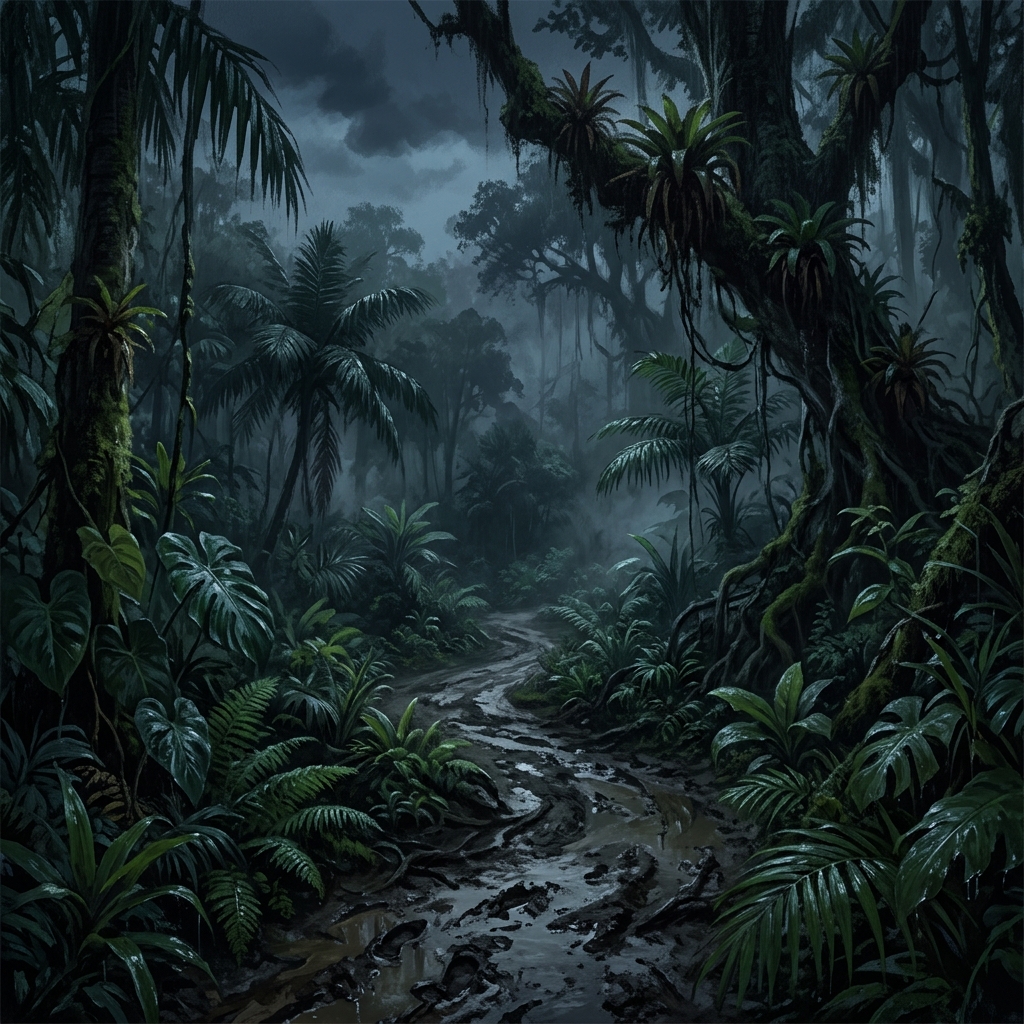
The Lost World: Jurassic Park is a darker, more action-focused sequel that shifts the franchise's tone from scientific wonder to survival thriller. Steven Spielberg delivers several suspenseful sequences, showing his mastery of action choreography. The standout moment is the double T-Rex attack on the researchers' trailer, a slow, tense sequence that utilizes sound design and physical effects to build terror. Janusz Kaminski's cinematography gives the film a moody, rain-soaked look that contrasts with the bright tropical aesthetic of the original. The script explores the theme of environmental exploitation, contrasting Hammond's newfound preservationist views with Ludlow's corporate greed. However, the film lacks the tight pacing and emotional warmth of the original, and some character motivations feel thin. The third act, which brings a Tyrannosaurus Rex to the streets of San Diego, is a fun tribute to classic monster movies like King Kong, but it feels disconnected from the island survival story. Jeff Goldblum excels as a cynical, protective lead, and Julianne Moore provides strong support as the adventurous Sarah Harding. While it does not match the original, it is a thrilling adventure that offers plenty of memorable action.
This film introduced Isla Sorna, which became the setting for Jurassic Park III and a key location in the franchise's expanded lore. It also showed the consequences of bringing cloned dinosaurs into a major human city, a concept that would later be explored on a global scale in Jurassic World Dominion. The movie established that InGen was not the only corporation interested in genetic engineering, setting up the themes of corporate competition that run throughout the later films.
Spielberg and writer David Koepp used Michael Crichton's sequel novel as a starting point but changed major plot elements to create a more cinematic story. The production used larger animatronics, including two full-sized, multi-ton Tyrannosaurus models that required hydraulic rigs. Filming took place in the redwood forests of Northern California and on stages in Los Angeles, providing a different ecological look compared to the tropical islands of the first film.
Fans remember the film for its high-stakes action scenes, including the terrifying Velociraptor hunt in the tall grass and the T-Rex rampaging through a San Diego suburb, searching for its infant. Sarah Harding's close encounter with cracked glass as the trailer hangs over a cliff remains one of the most suspenseful moments in the series.
The Lost World: Jurassic Park occupies a unique place in the franchise, representing a shift toward a darker, more cynical tone. Steven Spielberg and cinematographer Janusz Kaminski opted for a moody, rain-slicked aesthetic, utilizing deep shadows and desaturated colors that contrast sharply with the bright tropical look of the original film. This visual style enhances the survival-horror elements, particularly during the extended sequence where the mercenaries are hunted through the tall grass by Velociraptors.
The filmmaking observations here reveal a director experimenting with scale and choreography, as seen in the complex trailer-dangling sequence, which uses physical gravity and breaking glass to create agonizing suspense. The movie's franchise impact was significant; it expanded the universe by introducing Isla Sorna (Site B), establishing that the dinosaur cloning project was far larger and more uncontrolled than initially revealed. This expanded lore allowed the franchise to survive beyond the confines of the original island, setting up future sequels.
Audience and critical reception at the time, however, was mixed. While viewers praised the thrilling action sequences and improved animatronics, many felt the story lacked the intellectual depth and emotional warmth of the first film. The third act's San Diego rampage was criticized for feeling like a disconnected monster movie, though it has since developed a cult following among fans who appreciate its homage to classic cinema. The Lost World illustrates the difficulty of following up a historic masterpiece, choosing to double down on action and scale while sacrificing the sense of awe.
Where the first film examines the failure of a controlled attraction, The Lost World asks what happens when exploitation invades an ecosystem that has begun to regulate itself. Hammond's conversion from impresario to preservationist is imperfect but thematically useful: he now wants images of the animals to persuade the public, while Ludlow wants bodies he can transport and sell. Both men still use expeditions to impose a human agenda. Sarah Harding's insistence on non-interference is similarly compromised by touching an infant and carrying blood on her jacket. The film repeatedly shows that good intentions do not erase consequences. Its most durable legacy is the idea of dinosaurs beyond the park fence. The San Diego act may feel attached to a different movie, yet its suburban images anticipate the franchise's later interest in coexistence. Spielberg stages the rampage less as triumph than displacement: an animal searches for its infant in a city built to misunderstand it.
While it lacks the emotional impact of the original, The Lost World: Jurassic Park is a dark, well-crafted action thriller with impressive visual effects. It is a worthy entry that successfully expands the scope of the franchise.
The plot can be followed independently, but Ian Malcolm's fear, Hammond's changed outlook, and InGen's crisis all carry more weight after the original.
Spielberg and cinematographer Janusz Kaminski favor overcast forests, rain, silhouettes, and strong contrast. The look supports a story about hunting and survival rather than the first film's guided-tour wonder.
Isla Sorna is the production island where InGen bred dinosaurs before moving selected animals to Jurassic Park. After the company withdrew, the surviving populations formed a free-ranging ecosystem.
The studio's original promotional trailer, included as production context.
Continue through nearby entries and compare how the series changes.
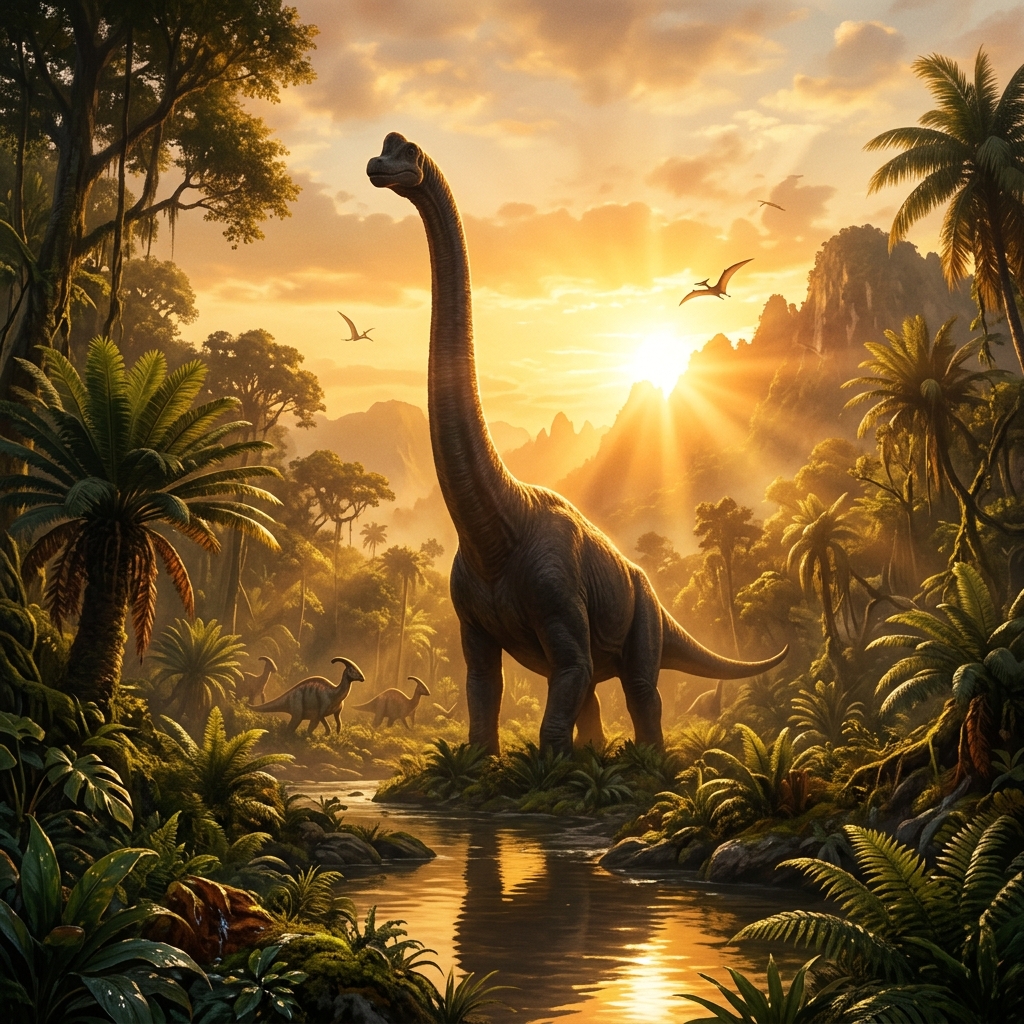
Steven Spielberg's Jurassic Park is a legendary sci-fi adventure that redefined cinematic technology and blockbusters. The plot centers on a wealthy entrepreneur named John Hammond, who has secretly created a theme park on the remote Isla Nublar. Using revolutionary genetic engineering, Hammond's company, InGen, has extracted dinosaur DNA from prehistoric mosquitoes preserved in amber to clone living dinosaurs. Before the park can open to the public, investors demand a safety inspection. Hammond invites paleontologist Dr. Alan Grant, paleobotanist Dr. Ellie Sattler, chaotician Dr. Ian Malcolm, and his own grandchildren, Lex and Tim, to preview the island. However, the tour goes horribly wrong when a tropical storm hits and a disgruntled computer programmer sabotages the security systems to steal dinosaur embryos. The power shuts down, the electric fences deactivate, and the cloned prehistoric predators escape, forcing the visitors to fight for survival in a dangerous environment where humans are no longer at the top of the food chain.
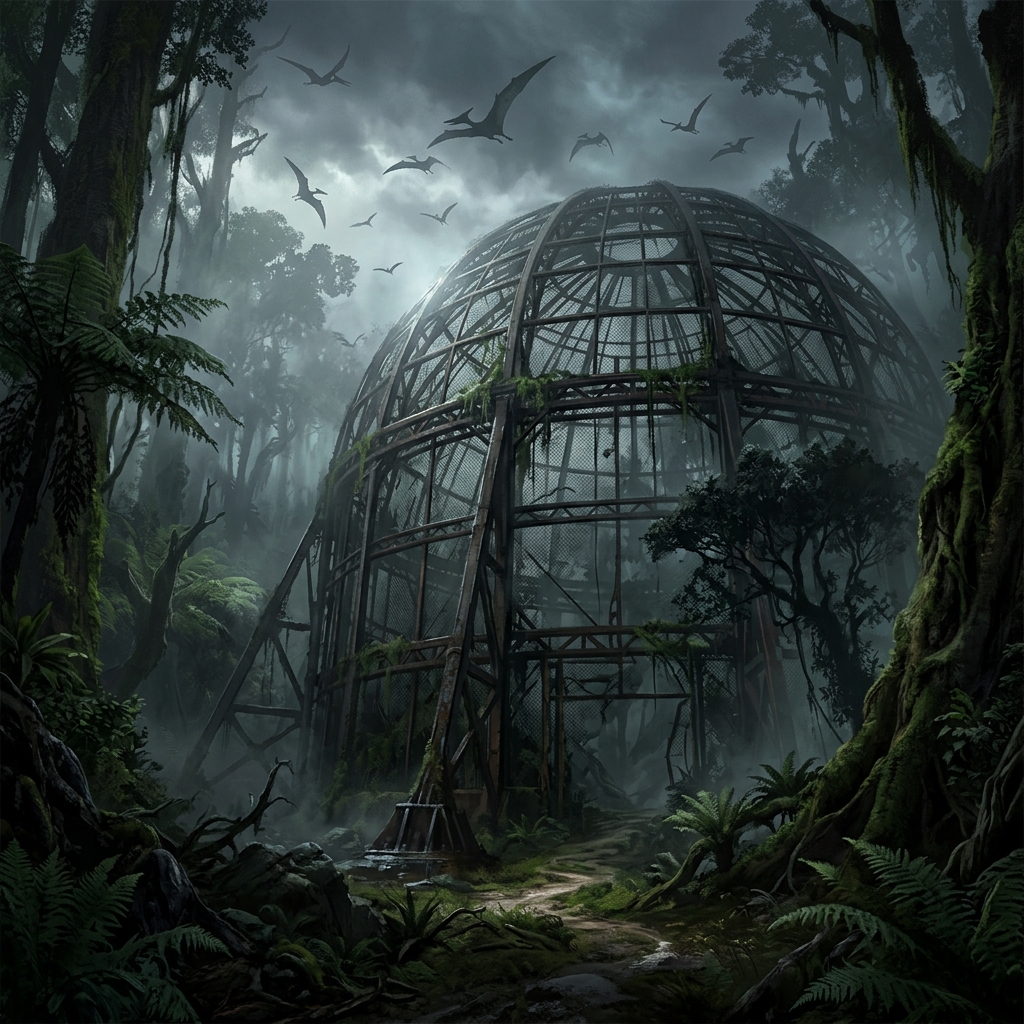
Jurassic Park III returns to the dangerous jungles of Isla Sorna for a fast-paced survival story. Dr. Alan Grant, still struggling to fund his paleontology research, is approached by Paul and Amanda Kirby, a wealthy couple who offer to fund his work if he guides them on an aerial tour of Site B. Grant agrees, bringing his assistant, Billy Brennan. However, the Kirbys reveal their true motive once they reach the island: they intend to land to search for their young son, Eric, who went missing during a parasailing accident near the coast. The plane lands, but an attack by a massive new predator, the Spinosaurus, destroys the aircraft and leaves the group stranded. As they travel across the island to reach the coast, they must survive encounters with the Spinosaurus, a pack of highly intelligent Velociraptors searching for stolen eggs, and a colony of aggressive Pteranodons inside a massive aviary.
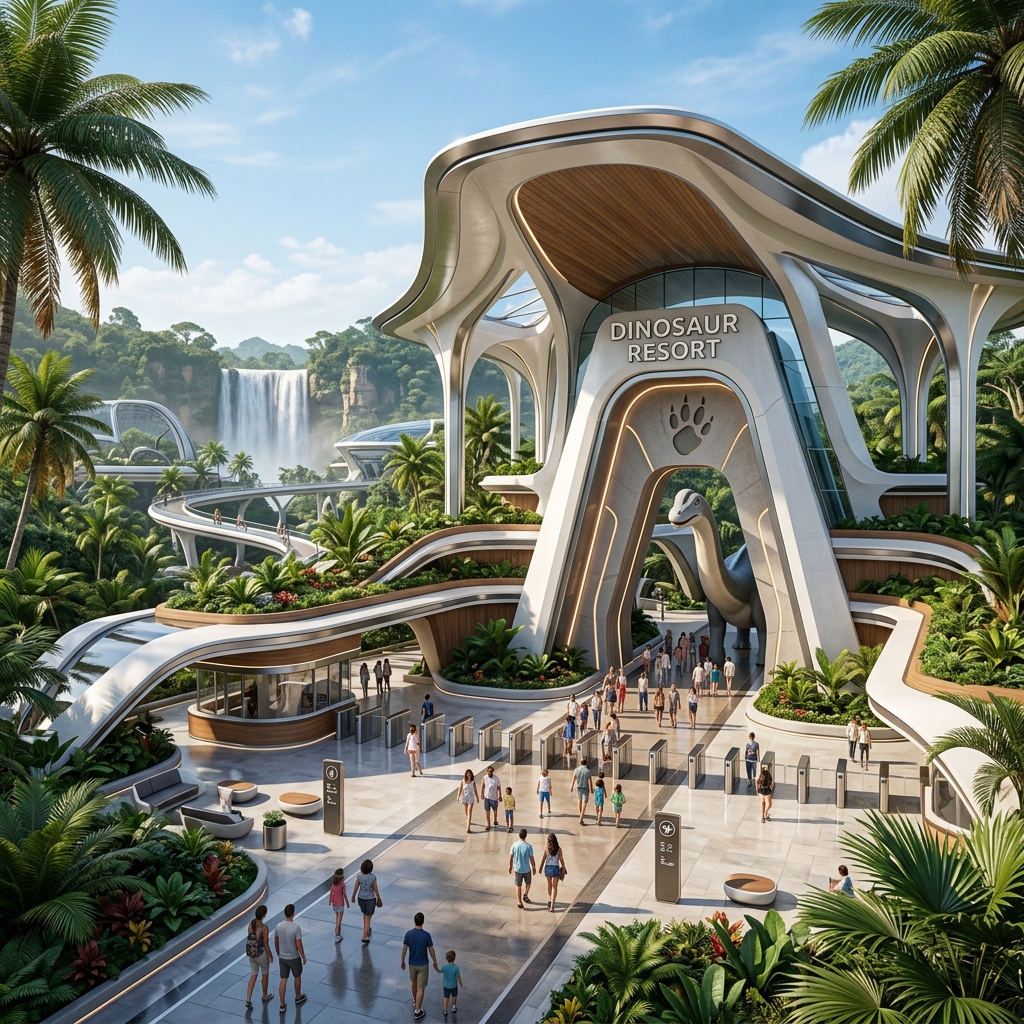
Jurassic World modernizes the franchise by showing John Hammond's dream fully realized: a functional, high-tech dinosaur theme park on Isla Nublar. Owned by Masrani Global, the park attracts tens of thousands of visitors daily. However, to keep attendance high, corporate executives demand new attractions. The park's geneticists, led by Dr. Henry Wu, create the Indominus Rex, a highly intelligent and aggressive hybrid dinosaur made from the DNA of various species. Claire Dearing, the park manager, oversees operations, while Owen Grady, a former Navy specialist, conducts research on training a pack of Velociraptors. When the Indominus Rex outsmarts its handlers and escapes its enclosure, it begins hunting for sport, disrupting the park's security. Claire's nephews, Zach and Gray, are lost in the jungle, and Owen and Claire must find them. To stop the hybrid predator, Owen must use his bond with the raptors, leading to a massive battle that threatens the future of the park.
Essays connecting this film to effects craft, storytelling, and franchise history.
An exhaustive cinematic ranking of the greatest prehistoric adventures, tracking stop-motion classics to modern CGI landmarks.
Film EssayHow a perfect blend of Stan Winston animatronics and ILM computer graphics revolutionized visual effects forever.
Film EssayFrom physical hydraulic rigs to digital animation, tracking the 30-year technical evolution of creature design.
Stay informed about new franchise guides, movie analysis articles, editorial updates, and website announcements.