Modern Era
Jurassic World
2015 2h 4m Dir: Colin Trevorrow Box Office: $1.67 Billion
Official Release Date: June 12, 2015
Modern Era
Official Release Date: June 12, 2015
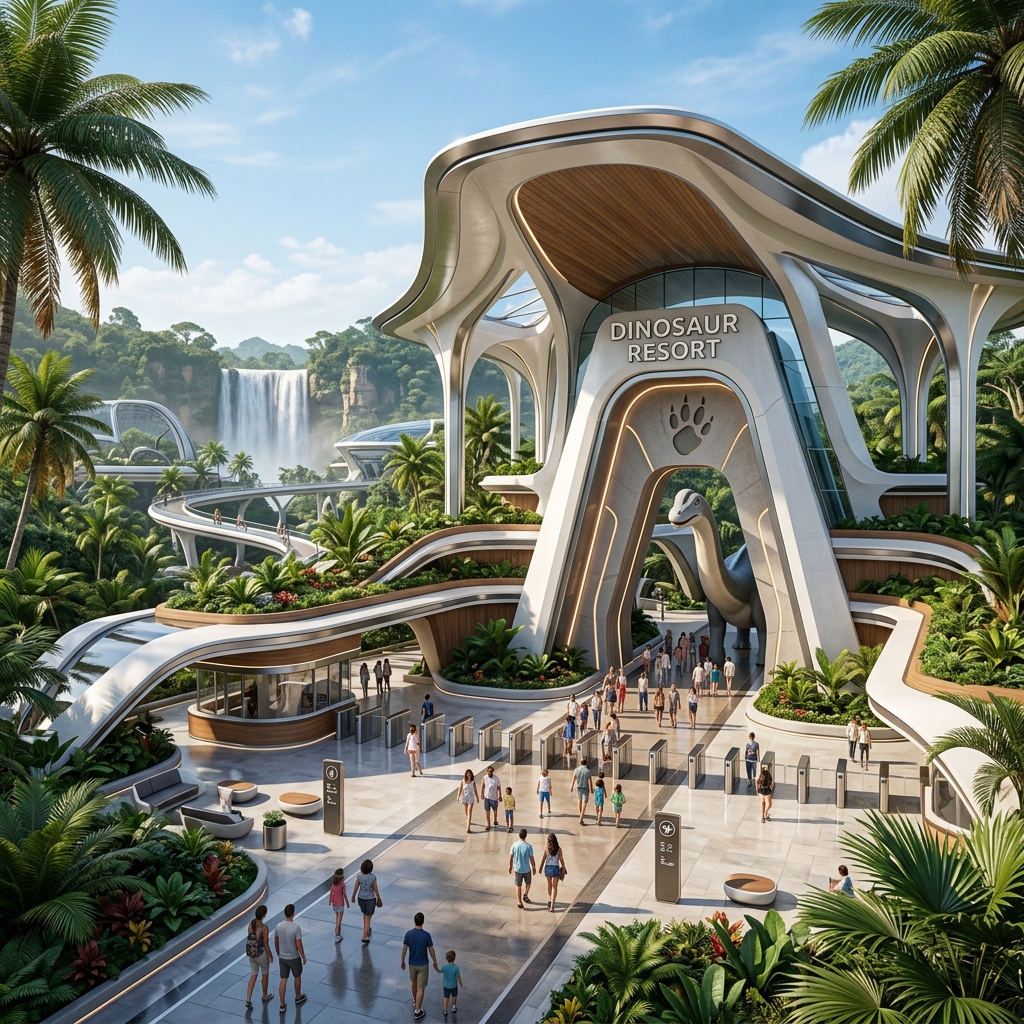
Jurassic World modernizes the franchise by showing John Hammond's dream fully realized: a functional, high-tech dinosaur theme park on Isla Nublar. Owned by Masrani Global, the park attracts tens of thousands of visitors daily. However, to keep attendance high, corporate executives demand new attractions. The park's geneticists, led by Dr. Henry Wu, create the Indominus Rex, a highly intelligent and aggressive hybrid dinosaur made from the DNA of various species. Claire Dearing, the park manager, oversees operations, while Owen Grady, a former Navy specialist, conducts research on training a pack of Velociraptors. When the Indominus Rex outsmarts its handlers and escapes its enclosure, it begins hunting for sport, disrupting the park's security. Claire's nephews, Zach and Gray, are lost in the jungle, and Owen and Claire must find them. To stop the hybrid predator, Owen must use his bond with the raptors, leading to a massive battle that threatens the future of the park.
Jurassic World is an entertaining update of the franchise that balances nostalgia with modern action. Director Colin Trevorrow creates a believable theme park, complete with corporate sponsorships, tourist crowds, and interactive exhibits. The film acts as a commentary on commercialism and the modern entertainment industry, suggesting that audiences have become bored with ordinary dinosaurs, forcing corporations to build bigger, louder, and more dangerous attractions. The Indominus Rex is a menacing villain, representing scientific greed and weaponized biology. Chris Pratt gives an energetic performance as the rugged Owen Grady, and Bryce Dallas Howard develops from a corporate executive into a determined survivor. The film relies heavily on digital effects, but it maintains tension by building up the Indominus Rex before showing it fully. The final battle, which reunites classic dinosaurs in a clash for dominance, is a thrilling tribute to the original film. While it lacks the quiet suspense of Steven Spielberg's work, it successfully updates the franchise for a new generation of viewers.
This film successfully restarted the franchise after a fourteen-year break, grossing over $1.6 billion worldwide. It introduced a new cast of characters, including Owen Grady and Claire Dearing, and set the stage for the sequel trilogy. By introducing genetic hybrids and militarized dinosaurs, it shifted the franchise's focus toward global security and the ethics of advanced biotechnology.
The project spent over a decade in development, with various writers proposing ideas before Trevorrow was hired. Filming took place in Hawaii on Oahu and Kauai, as well as inside abandoned theme parks and NASA facilities in Louisiana. The production designed the fictional resort with modern tourist amenities, making it feel like a real vacation destination.
Fans remember the film for the Mosasaurus feeding show, Owen Grady riding a motorcycle alongside his raptor pack, and the final battle where the original T-Rex teams up with Blue the Velociraptor. The return to the ruins of the original Jurassic Park visitor center provides a strong moment of nostalgia.
Colin Trevorrow's Jurassic World successfully revitalized the franchise by blending nostalgia with modern blockbuster elements, reflecting how both cinema and society had changed since 1993. The film's core concept—a fully functional, corporate-sponsored theme park—serves as a clever meta-commentary on the entertainment industry. The creation of the hybrid Indominus Rex mirrors Hollywood's constant demand for bigger, louder, and more spectacular attractions to satisfy increasingly jaded audiences.
From a filmmaking perspective, Trevorrow uses bright, glossy cinematography and wide shots to capture the scale of the commercialized resort, contrasting the clean tourist areas with the overgrown ruins of the original park. The franchise impact was monumental, grossing over $1.6 billion and introducing the series to a new generation of fans. It established Owen Grady and Claire Dearing as the new faces of the franchise and shifted the thematic focus toward corporate genetic manipulation.
Audience reception was highly positive, driven by nostalgia and the thrilling action sequences, such as the final clash between the classic T-Rex and the hybrid predator. While some critics argued that the film relied too heavily on digital effects and nostalgic references, most agreed that it was a highly entertaining and successful relaunch. Jurassic World proved that the franchise's central themes of human hubris and prehistoric power still resonated with global audiences.
Jurassic World builds its best idea into the park's daily operation: wonder has become routine. Visitors look at living dinosaurs through phones, sponsorship covers the attractions, and executives demand a creature that focus groups cannot ignore. The Indominus is therefore both monster and product strategy, assembled because ordinary miracles no longer satisfy the market. Claire's arc mirrors the park's moral blindness. She begins by discussing animals as assets on a spreadsheet and gradually learns to see individual lives, although the film sometimes expresses that shift through conventional action beats. Owen's raptor relationship introduces a different question about control. Training creates communication, but it does not turn predators into obedient equipment. The final battle succeeds as spectacle because the competing creatures also embody competing eras: engineered novelty confronts the park's original icon. The film's enormous commercial success established legacy-sequel structure as the series' new engine, combining fresh leads with carefully timed recognition of 1993.
Jurassic World is a successful blockbusting adventure that honors the original while establishing its own identity. It is an exciting, self-aware ride that revitalized the franchise.
Yes. It explains the new park and central conflict clearly. However, its abandoned visitor-center sequence and final confrontation are designed to reward familiarity with the 1993 film.
It is a fictional hybrid created from multiple genetic sources and designed as a proprietary attraction. Its unusual abilities turn corporate secrecy into a direct physical threat.
It repeats the failed-park framework but changes the premise by opening the resort successfully before the disaster. That lets it critique commercialization and audience appetite as well as scientific hubris.
The studio's original promotional trailer, included as production context.
Continue through nearby entries and compare how the series changes.
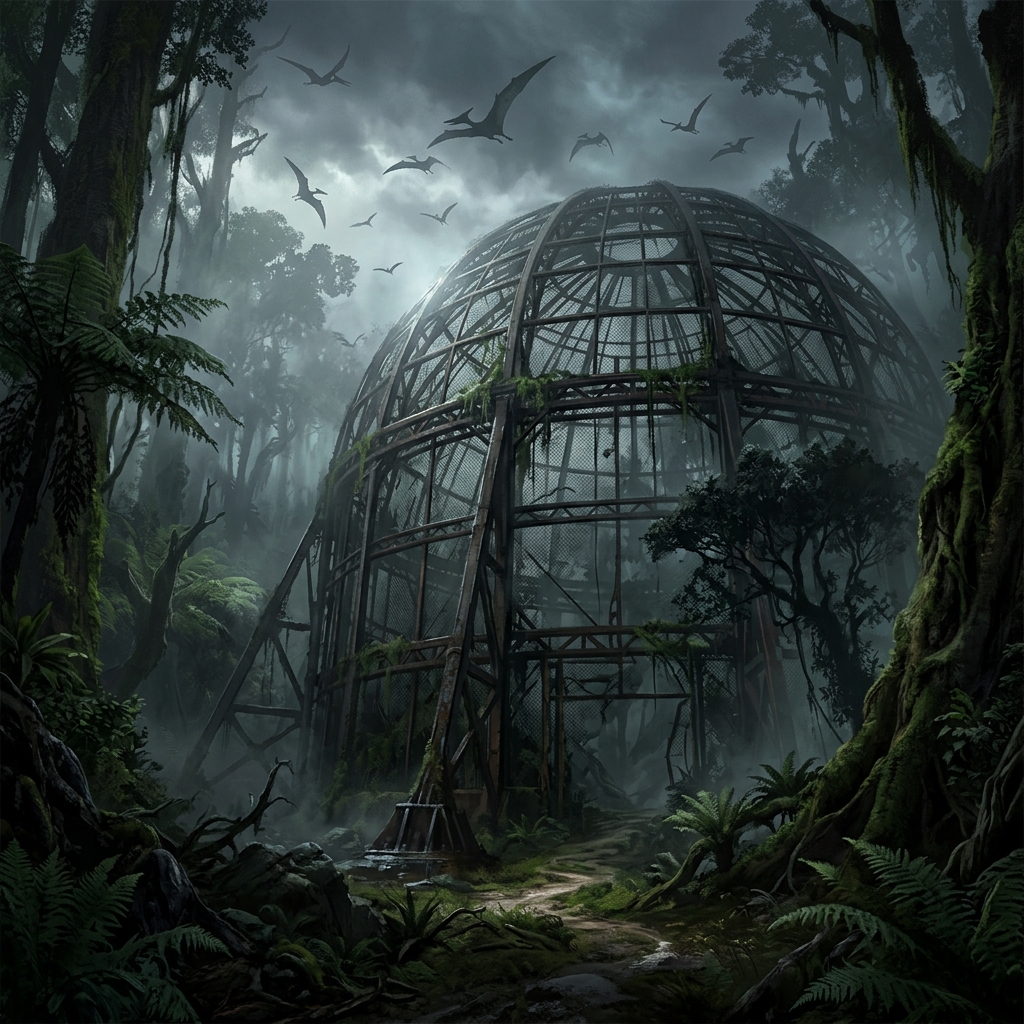
Jurassic Park III returns to the dangerous jungles of Isla Sorna for a fast-paced survival story. Dr. Alan Grant, still struggling to fund his paleontology research, is approached by Paul and Amanda Kirby, a wealthy couple who offer to fund his work if he guides them on an aerial tour of Site B. Grant agrees, bringing his assistant, Billy Brennan. However, the Kirbys reveal their true motive once they reach the island: they intend to land to search for their young son, Eric, who went missing during a parasailing accident near the coast. The plane lands, but an attack by a massive new predator, the Spinosaurus, destroys the aircraft and leaves the group stranded. As they travel across the island to reach the coast, they must survive encounters with the Spinosaurus, a pack of highly intelligent Velociraptors searching for stolen eggs, and a colony of aggressive Pteranodons inside a massive aviary.
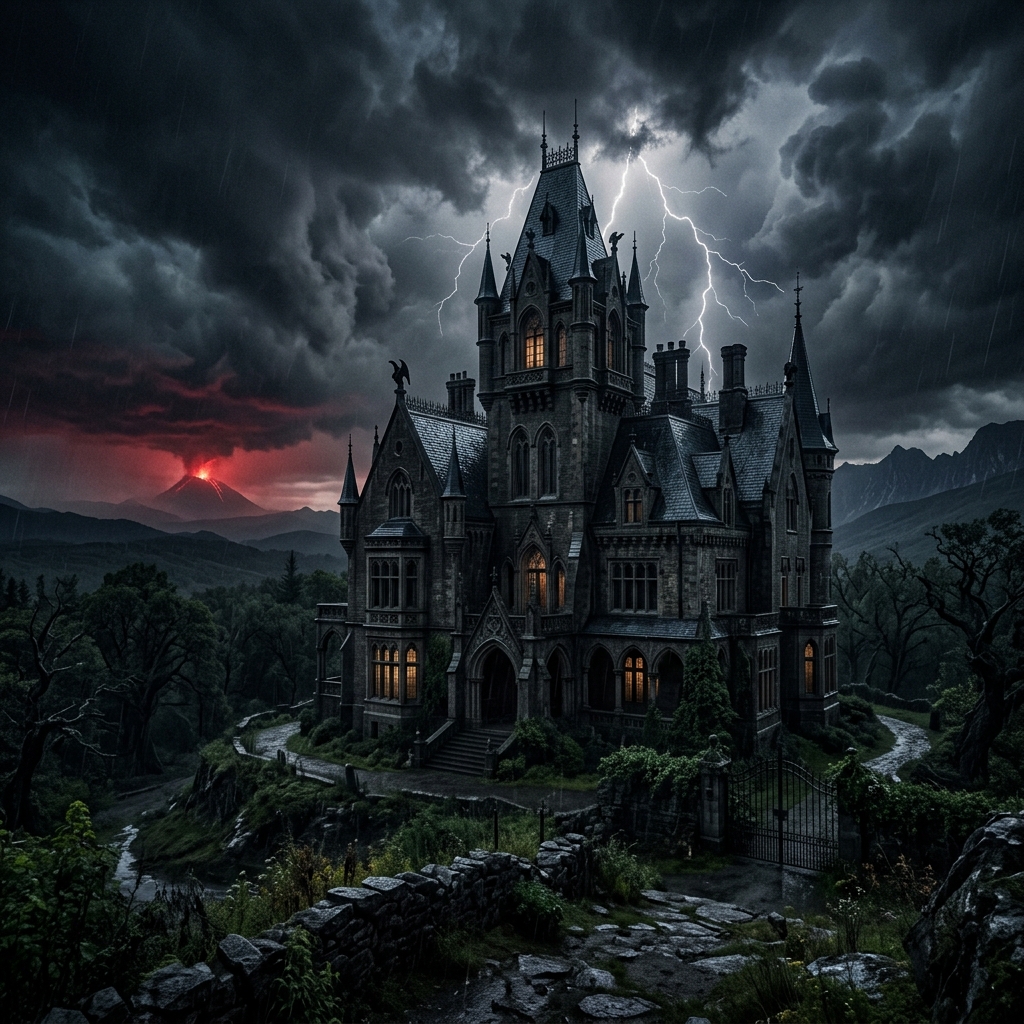
Jurassic World: Fallen Kingdom takes the franchise in a dark, atmospheric direction. Three years after the destruction of the resort, a volcanic eruption threatens to destroy Isla Nublar and its remaining dinosaurs. Claire Dearing, now a dinosaur rights activist, is recruited by Eli Mills, the assistant to John Hammond's former partner Sir Benjamin Lockwood. Mills plans to rescue the dinosaurs and move them to a private sanctuary. Claire recruits Owen Grady to help capture Blue, the last surviving Velociraptor. However, upon arriving on the island, Owen and Claire are betrayed by the rescue team's mercenaries. They discover that the dinosaurs are being sent to Lockwood Manor in Northern California to be auctioned to international weapons dealers. The auction's main attraction is the Indoraptor, a new, highly dangerous hybrid predator designed for military use. Owen and Claire escape the island before the volcano erupts and must infiltrate the manor to stop the auction and prevent the hybrid from escaping into the wild.
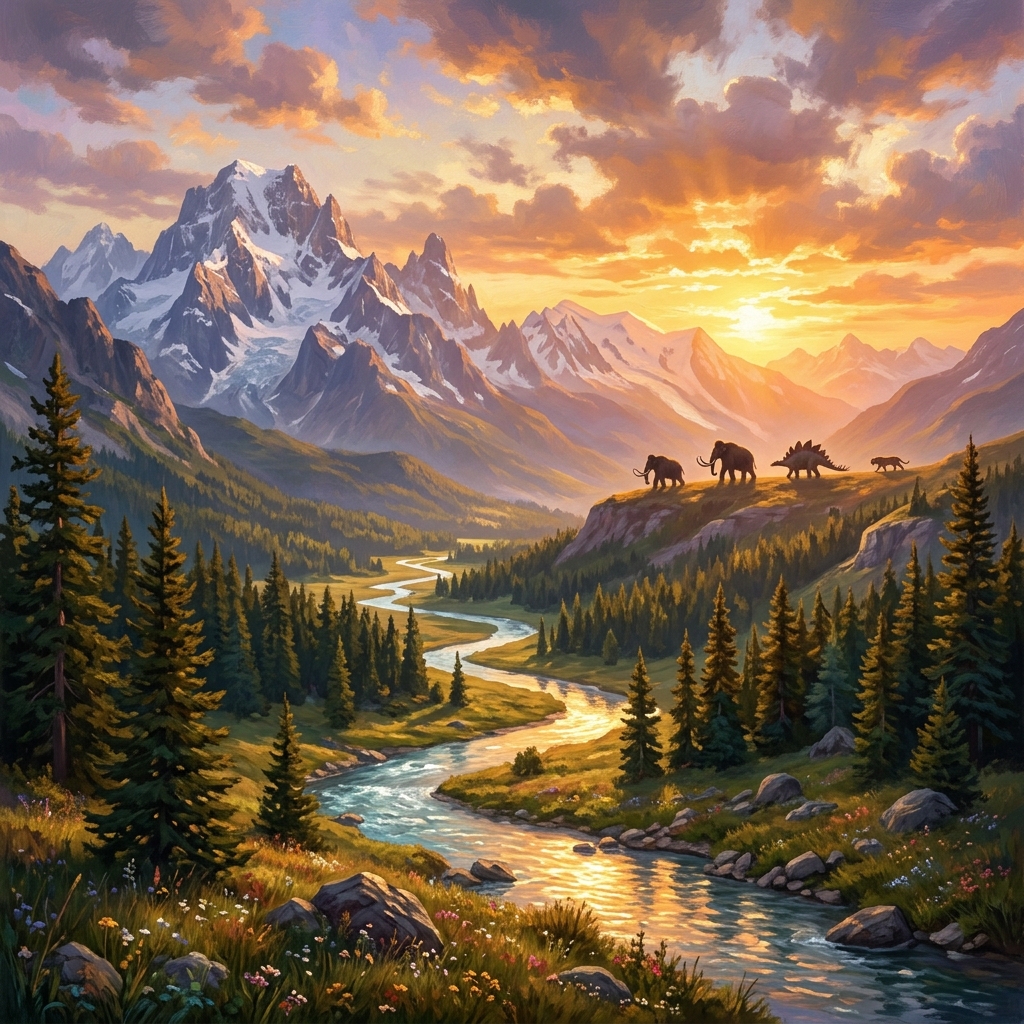
Jurassic World Dominion is the conclusion of the sequel trilogy, exploring a world where dinosaurs now live and hunt alongside humans globally. The story takes place four years after the events at Lockwood Manor. Owen Grady and Claire Dearing live in a remote cabin in the Sierra Nevada mountains to protect Maisie Lockwood from kidnapping by companies seeking to study her genetic makeup. Meanwhile, a swarm of giant genetically engineered locusts threatens the global food supply by destroying crops. Dr. Ellie Sattler suspects the locusts were created by Biosyn, a powerful biotechnology corporation led by Lewis Dodgson. Ellie recruits Dr. Alan Grant to help investigate Biosyn's headquarters in the Italian Alps. Dr. Ian Malcolm, working as an in-house philosopher at Biosyn, assists them. When Maisie is kidnapped by Biosyn agents, Owen and Claire pursue them, leading to a meeting of the original Jurassic Park cast and the modern Jurassic World characters inside Biosyn's private dinosaur sanctuary.
Essays connecting this film to effects craft, storytelling, and franchise history.
From physical hydraulic rigs to digital animation, tracking the 30-year technical evolution of creature design.
Film EssayAn analytical ranking of the antagonists in the Jurassic saga, contrasting corporate greed with genetically modified monsters.
Film EssayAn analysis of the invisible craft of cinematic sound design, examining how soundscapes, foley, and acoustic spaces build tension and manipulate psychological fear.
Stay informed about new franchise guides, movie analysis articles, editorial updates, and website announcements.