Modern Era
Jurassic World Dominion
2022 2h 27m Dir: Colin Trevorrow Box Office: $1.003 Billion
Official Release Date: June 10, 2022
Modern Era
Official Release Date: June 10, 2022
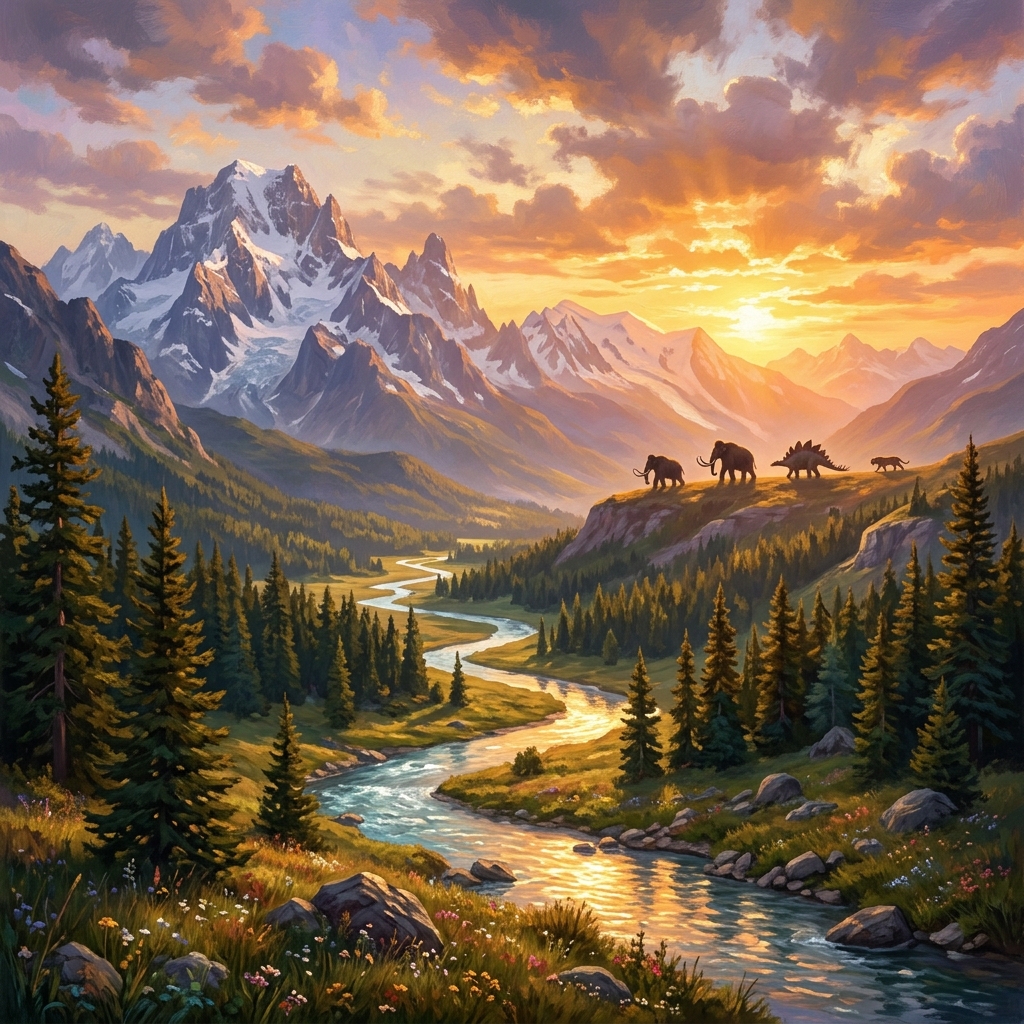
Jurassic World Dominion is the conclusion of the sequel trilogy, exploring a world where dinosaurs now live and hunt alongside humans globally. The story takes place four years after the events at Lockwood Manor. Owen Grady and Claire Dearing live in a remote cabin in the Sierra Nevada mountains to protect Maisie Lockwood from kidnapping by companies seeking to study her genetic makeup. Meanwhile, a swarm of giant genetically engineered locusts threatens the global food supply by destroying crops. Dr. Ellie Sattler suspects the locusts were created by Biosyn, a powerful biotechnology corporation led by Lewis Dodgson. Ellie recruits Dr. Alan Grant to help investigate Biosyn's headquarters in the Italian Alps. Dr. Ian Malcolm, working as an in-house philosopher at Biosyn, assists them. When Maisie is kidnapped by Biosyn agents, Owen and Claire pursue them, leading to a meeting of the original Jurassic Park cast and the modern Jurassic World characters inside Biosyn's private dinosaur sanctuary.
Jurassic World Dominion is a massive blockbuster that attempts to conclude both trilogies. The film moves away from the traditional survival-horror structure to become a global adventure, featuring action sequences in Malta, the Pacific Northwest, and the Italian Alps. The decision to focus the plot on genetically engineered locusts rather than dinosaurs was met with mixed reviews from fans, but it allowed the filmmakers to explore Biosyn's corporate greed and the dangers of unregulated agricultural biotechnology. Director Colin Trevorrow reunites Sam Neill, Laura Dern, and Jeff Goldblum, and their interactions provide plenty of nostalgic charm. The chemistry between the original trio remains excellent, and their storyline fits well alongside the action-packed journey of Chris Pratt and Bryce Dallas Howard. The film features new prehistoric species, including the Giganotosaurus and the feathered Therizinosaurus, which are brought to life using impressive digital effects. While the plot feels overstuffed and the runtime is the longest in the series, the film delivers fun action and serves as a celebration of the franchise's history.
Dominion concluded the Biosyn narrative arc and brought the storylines of the original and sequel casts together. It established a new global reality where dinosaurs are part of the Earth's ecosystem, setting up a different backdrop for future stories. The film also completed Henry Wu's redemption arc, addressing his role in the genetic experiments since the first film.
The production was one of the first major films to shoot during the COVID-19 pandemic, requiring strict safety protocols and a private hotel buyout in England. Filming took place in British Columbia, Malta, and at Pinewood Studios. The crew built more than one hundred sets to support the global scale of the story.
Fans remember the thrilling raptor chase through the streets of Valletta, the encounter with the feathered Pyroraptor on a frozen lake, and the final confrontation between the T-Rex, the Giganotosaurus, and the Therizinosaurus. The reunion of Alan, Ellie, and Ian inside Biosyn's facility is a highlight for long-time viewers.
Jurassic World Dominion, directed by Colin Trevorrow, was designed as the grand conclusion to both the original trilogy and the sequel trilogy, attempting to tie together three decades of storytelling. The filmmaking approach is global, moving away from isolated islands to showcase dinosaurs interacting with human society in locations like Malta, the Pacific Northwest, and the Italian Alps. Trevorrow structures the film as an action-adventure thriller, featuring complex sequences like the motorcycle chase through Valletta.
The franchise impact of Dominion was significant, establishing a new status quo where dinosaurs coexist with modern fauna, effectively changing the world's ecological reality. The film also reunited the original cast (Sam Neill, Laura Dern, Jeff Goldblum) with the sequel leads, providing a strong sense of nostalgia and thematic closure.
Reception, however, was mixed. While audiences enjoyed the return of the classic characters and the variety of new prehistoric species, critics and fans criticized the decision to focus the plot on genetically engineered locusts rather than the global implications of dinosaurs. Some felt the narrative was overstuffed and the runtime too long. Despite these criticisms, the film succeeded in grossing over $1 billion, proving the enduring appeal of the franchise and leaving the door open for future stories in a dinosaur-populated world.
Dominion is preoccupied with systems so large that individual heroics can barely address them. Dinosaurs in the wild are the visible consequence of earlier films, but the locust plot extends genetic power into agriculture and food security. That is thematically consistent with Crichton's concern about private control of science, even if it frustrates viewers expecting the released dinosaurs to drive the story. BioSyn presents itself as enlightened and environmentally responsible while designing a market advantage in secret, updating InGen's showmanship for the language of platform monopolies. The reunion of Grant, Sattler, and Malcolm works best when their established skills matter: Ellie identifies an ecological pattern, Alan supplies field knowledge, and Ian weaponizes his access and skepticism. The film's legacy is therefore double-edged. It completes the two-cast crossover and ends Lewis Dodgson's corporate arc, but it leaves the most compelling premise, daily coexistence between modern communities and prehistoric animals, largely at the edges.
While overstuffed and occasionally unfocused, Jurassic World Dominion is an entertaining blockbuster that delivers plenty of action and nostalgic appeal. It successfully brings a major era of the franchise to a close.
The locusts expose BioSyn's attempt to control agriculture through genetic engineering. They extend the franchise's corporate-science theme, though their prominence remains controversial.
Alan Grant, Ellie Sattler, and Ian Malcolm share a substantial storyline and eventually meet Owen, Claire, and Maisie. Henry Wu and Lewis Dodgson also connect the plot to earlier films.
It concludes the Jurassic World trilogy and resolves several legacy arcs, but its coexistence ending leaves the setting open. Jurassic World Rebirth begins a later story with new principal characters.
The studio's original promotional trailer, included as production context.
Continue through nearby entries and compare how the series changes.
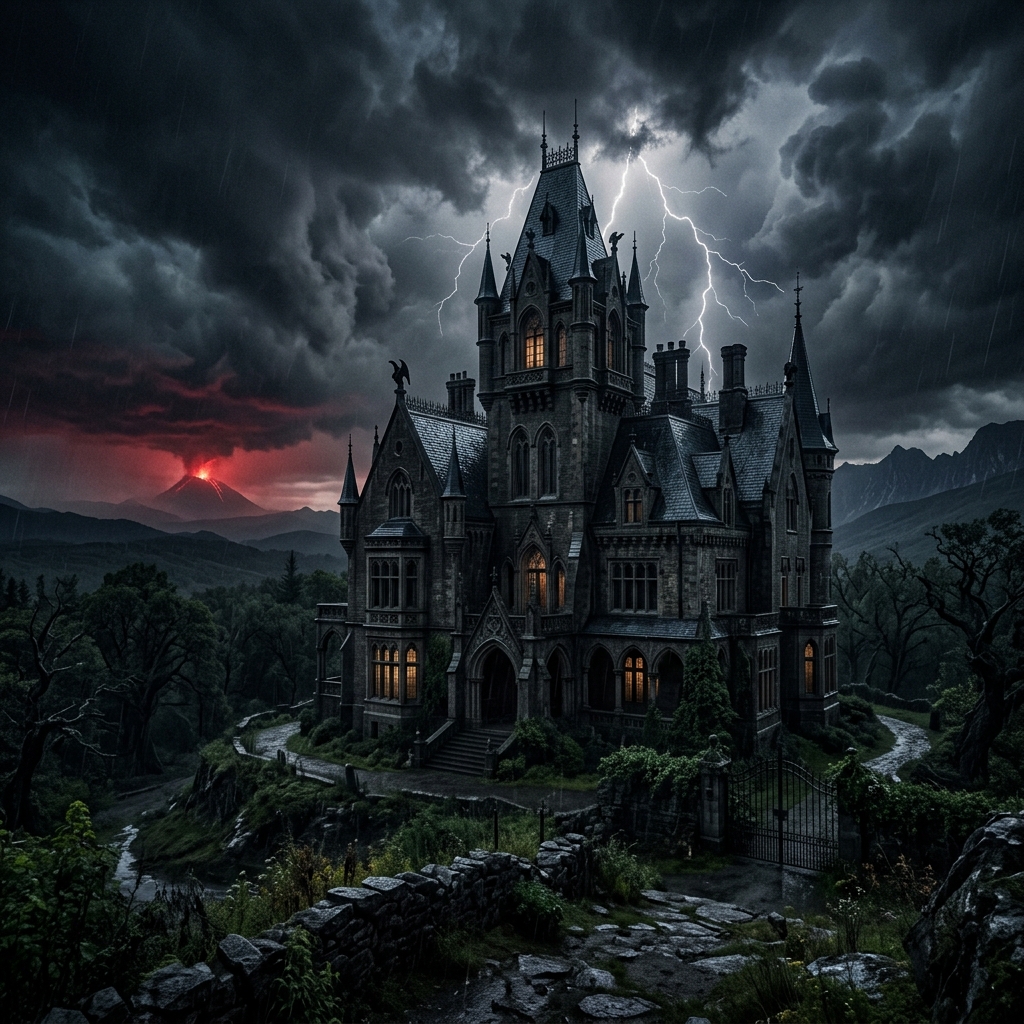
Jurassic World: Fallen Kingdom takes the franchise in a dark, atmospheric direction. Three years after the destruction of the resort, a volcanic eruption threatens to destroy Isla Nublar and its remaining dinosaurs. Claire Dearing, now a dinosaur rights activist, is recruited by Eli Mills, the assistant to John Hammond's former partner Sir Benjamin Lockwood. Mills plans to rescue the dinosaurs and move them to a private sanctuary. Claire recruits Owen Grady to help capture Blue, the last surviving Velociraptor. However, upon arriving on the island, Owen and Claire are betrayed by the rescue team's mercenaries. They discover that the dinosaurs are being sent to Lockwood Manor in Northern California to be auctioned to international weapons dealers. The auction's main attraction is the Indoraptor, a new, highly dangerous hybrid predator designed for military use. Owen and Claire escape the island before the volcano erupts and must infiltrate the manor to stop the auction and prevent the hybrid from escaping into the wild.
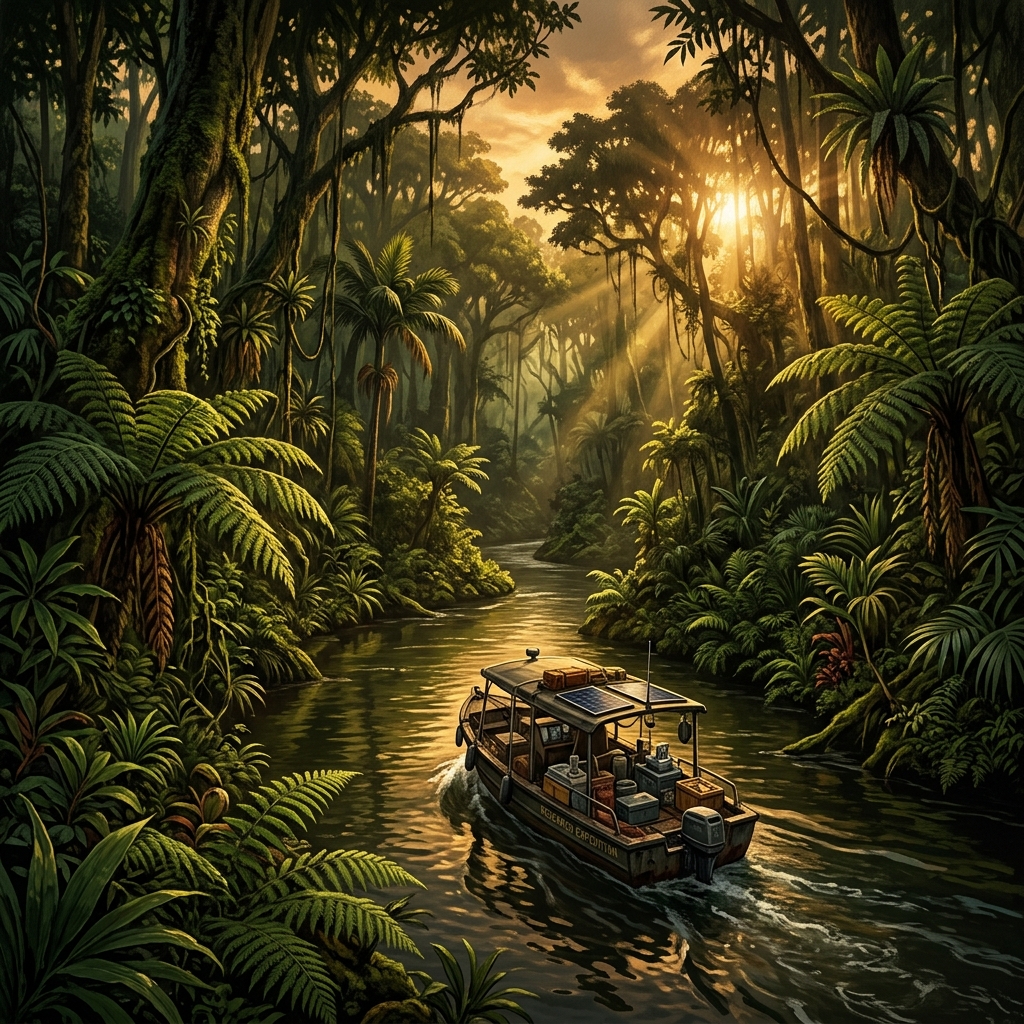
Jurassic World Rebirth serves as a soft reboot of the franchise, shifting the focus back to suspense-filled survival. The story takes place five years after the events of Dominion. The Earth's biosphere has proven hostile to prehistoric life, and the remaining dinosaurs now struggle to survive in localized equatorial climate zones. Zora Bennett, a skilled covert operations expert, is hired by a major pharmaceutical corporation to lead an expedition into these tropical zones. Her mission is to secure vital genetic material from the world's three largest remaining dinosaur species. The company believes this genetic material holds the key to a medical breakthrough that could cure various human illnesses. Zora's team travels to a remote jungle, but their mission is disrupted when they rescue a shipwrecked family. The group finds themselves stranded in a dangerous, isolated environment, hunted by unique mutated threats and returning predators, forcing them to fight for survival.
Essays connecting this film to effects craft, storytelling, and franchise history.
An analysis of the invisible craft of cinematic sound design, examining how soundscapes, foley, and acoustic spaces build tension and manipulate psychological fear.
Film EssayA deep dive into the color theory and production design of modern science fiction cinema, from the neon dystopias of Blade Runner to the solar desolation of Dune.
Film EssayExploring the handoff between sculptors, puppeteers, and digital animators, and how collaborative production design makes physical and virtual creatures convincing.
Stay informed about new franchise guides, movie analysis articles, editorial updates, and website announcements.