Modern Era
Jurassic World: Fallen Kingdom
2018 2h 8m Dir: J.A. Bayona Box Office: $1.31 Billion
Official Release Date: June 22, 2018
Modern Era
Official Release Date: June 22, 2018
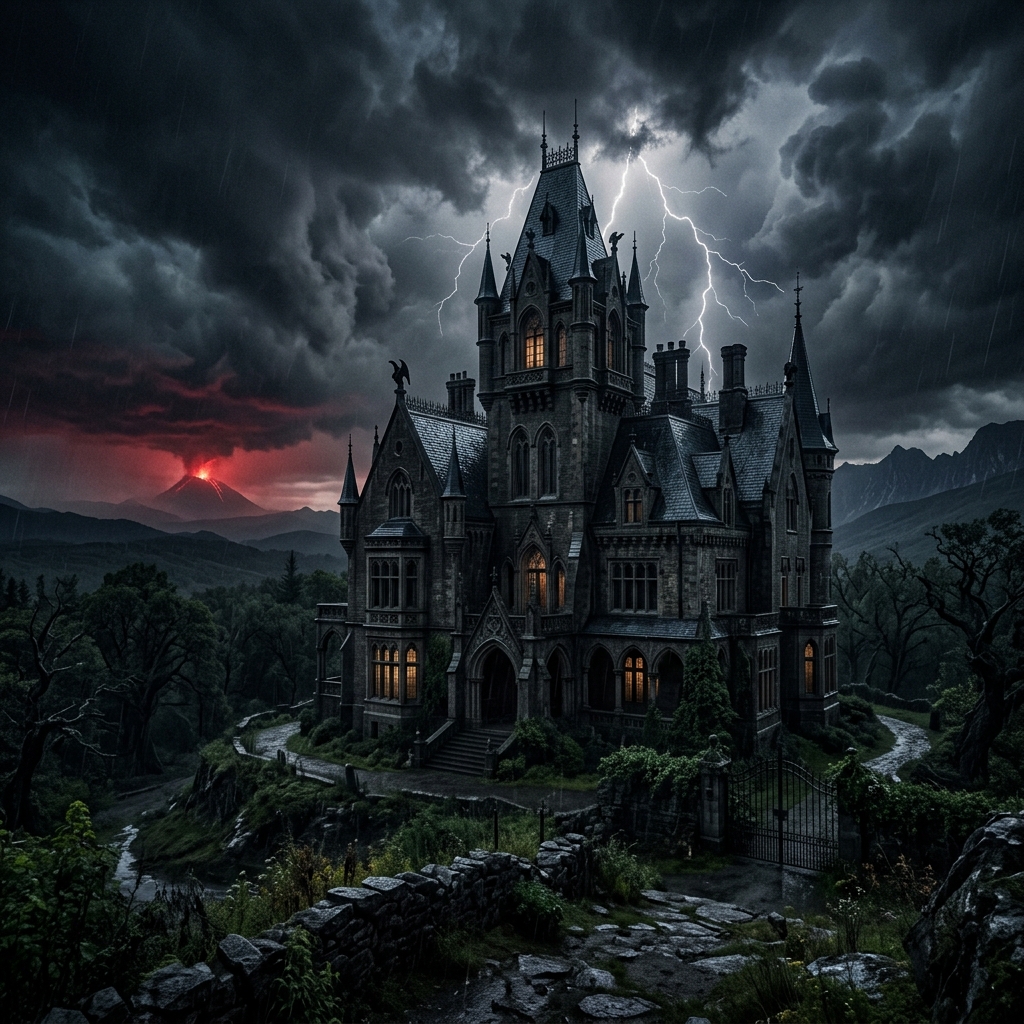
Jurassic World: Fallen Kingdom takes the franchise in a dark, atmospheric direction. Three years after the destruction of the resort, a volcanic eruption threatens to destroy Isla Nublar and its remaining dinosaurs. Claire Dearing, now a dinosaur rights activist, is recruited by Eli Mills, the assistant to John Hammond's former partner Sir Benjamin Lockwood. Mills plans to rescue the dinosaurs and move them to a private sanctuary. Claire recruits Owen Grady to help capture Blue, the last surviving Velociraptor. However, upon arriving on the island, Owen and Claire are betrayed by the rescue team's mercenaries. They discover that the dinosaurs are being sent to Lockwood Manor in Northern California to be auctioned to international weapons dealers. The auction's main attraction is the Indoraptor, a new, highly dangerous hybrid predator designed for military use. Owen and Claire escape the island before the volcano erupts and must infiltrate the manor to stop the auction and prevent the hybrid from escaping into the wild.
Jurassic World: Fallen Kingdom is an interesting film of two halves, combining a large-scale disaster movie with a gothic horror thriller. Director J.A. Bayona brings his experience in horror to the second half, using shadows, lighting, and claustrophobic spaces to create tension inside Lockwood Manor. The scene of the Indoraptor silhouetted against a rainy window is a standout visual moment. The first half is a fast-paced survival sequence on Isla Nublar, culminating in a sad scene of a Brachiosaurus left behind on the burning dock. The script, written by Colin Trevorrow and Derek Connolly, explores the ethics of cloning and the responsibility humans have toward their creations. It also introduces Maisie Lockwood, a clone of Benjamin Lockwood's daughter, adding a new sci-fi element to the franchise. While the transition from a tropical island to a gothic mansion is jarring, Bayona's direction keeps the film engaging. Chris Pratt and Bryce Dallas Howard return with good chemistry, and Isabella Sermon makes a strong debut as Maisie. Although the plot relies on some illogical character choices, the film's unique style and ending make it an interesting entry in the series.
Fallen Kingdom is a crucial turning point in the franchise, permanently changing the status quo. By destroying Isla Nublar and releasing the cloned dinosaurs into the wild, it ended the era of isolated island adventures. This set up the premise for Jurassic World Dominion, which explores the global consequences of humans and dinosaurs coexisting.
Filming took place in Hawaii for the island scenes and at Pinewood Studios in England for the manor sets. The production built extensive interior sets for Lockwood Manor to accommodate the horror-themed action. The filmmakers used more animatronics than the previous film, including a life-sized, operating T-Rex model, to give the scenes a more physical feel.
Fans remember the emotional destruction of Isla Nublar, the terrifying chase through Lockwood Manor's museum rooms, and the Indoraptor tapping its claw on the floor in a nod to classic horror movies. The brief return of Jeff Goldblum as Ian Malcolm, warning the Senate about the new era of genetic power, is another highlight.
Jurassic World: Fallen Kingdom, directed by J.A. Bayona, is a visually distinct entry that splits the narrative into two contrasting genres: a large-scale disaster movie and a gothic horror thriller. The film's first half features the dramatic destruction of Isla Nublar by a volcanic eruption, providing a sense of scale and closure to the island era. The second half shifts to the confined, shadow-drenched corridors of Lockwood Manor, where Bayona utilizes gothic horror techniques—such as long shadows, creaking floors, and silhouetted monsters—to create a claustrophobic atmosphere.
The filmmaking observations highlight Bayona's strong visual style, particularly the use of lighting to build tension, such as the Indoraptor silhouetted against lightning flashes. The franchise impact of Fallen Kingdom was radical, ending the 'dinosaur island' trope by releasing the cloned animals into the global ecosystem and introducing human cloning through the character of Maisie Lockwood.
Critical reception was divided; reviewers praised Bayona's directing style and the emotional weight of the island's destruction but criticized the illogical plot points and the jarring shift in tone between the two halves. Audience reception was similarly split, with some enjoying the gothic horror approach while others felt the mansion setting was too restrictive for a dinosaur film. Fallen Kingdom remains the most atmospheric and stylized entry in the sequel trilogy.
Fallen Kingdom turns the question of ownership into a moral trap. The dinosaurs are manufactured organisms, but the eruption makes their vulnerability undeniable. Claire's rescue campaign argues that human responsibility does not end because the original act of creation was reckless. The auction then shows the opposing view in its bluntest form: rare life becomes inventory for buyers who imagine military, hunting, or financial uses. Bayona's gothic imagery strengthens that argument. Lockwood Manor is filled with fossils, display cases, and family secrets, a house literally built around the possession of the past. The Indoraptor prowling through a child's bedroom collapses scientific ambition into fairy-tale nightmare. Maisie's decision at the climax is emotionally understandable and ecologically disastrous, which is precisely why it matters. The film's lasting franchise contribution is not the hybrid itself but the removal of the islands as a protective narrative boundary. After this ending, containment can no longer restore the old status quo.
Jurassic World: Fallen Kingdom is a visually impressive, stylish entry that successfully combines gothic horror with summer blockbuster action. It is a bold step that moves the franchise into new territory.
Its first half is a volcanic evacuation adventure on Isla Nublar; its second is a confined gothic thriller at Lockwood Manor. Director J.A. Bayona uses the contrast deliberately, though the transition divides viewers.
Isla Nublar is destroyed and surviving cloned animals reach the mainland. The ending removes the island boundary that had contained most previous stories.
The Indoraptor is a prototype hybrid developed as a weaponized successor to the Indominus. Its incomplete conditioning makes the auction plan especially unstable.
The studio's original promotional trailer, included as production context.
Continue through nearby entries and compare how the series changes.
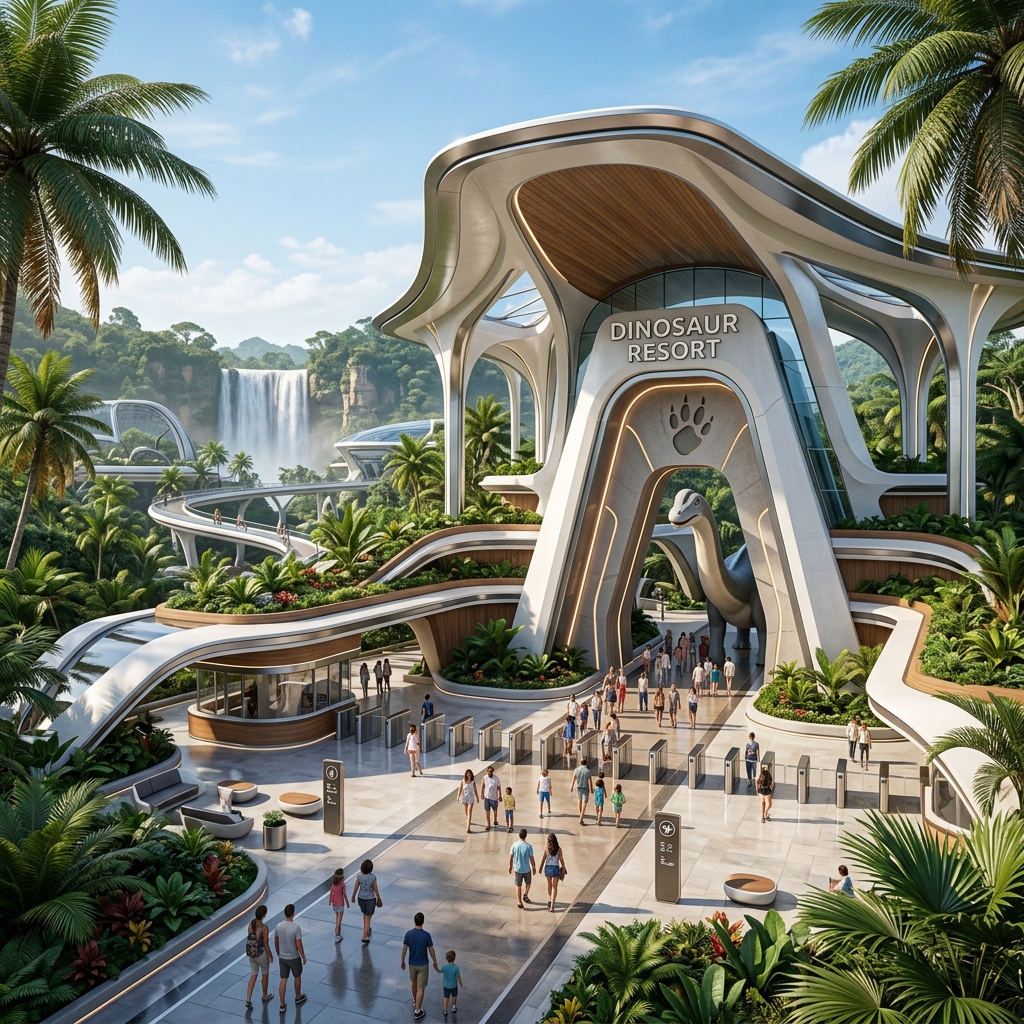
Jurassic World modernizes the franchise by showing John Hammond's dream fully realized: a functional, high-tech dinosaur theme park on Isla Nublar. Owned by Masrani Global, the park attracts tens of thousands of visitors daily. However, to keep attendance high, corporate executives demand new attractions. The park's geneticists, led by Dr. Henry Wu, create the Indominus Rex, a highly intelligent and aggressive hybrid dinosaur made from the DNA of various species. Claire Dearing, the park manager, oversees operations, while Owen Grady, a former Navy specialist, conducts research on training a pack of Velociraptors. When the Indominus Rex outsmarts its handlers and escapes its enclosure, it begins hunting for sport, disrupting the park's security. Claire's nephews, Zach and Gray, are lost in the jungle, and Owen and Claire must find them. To stop the hybrid predator, Owen must use his bond with the raptors, leading to a massive battle that threatens the future of the park.
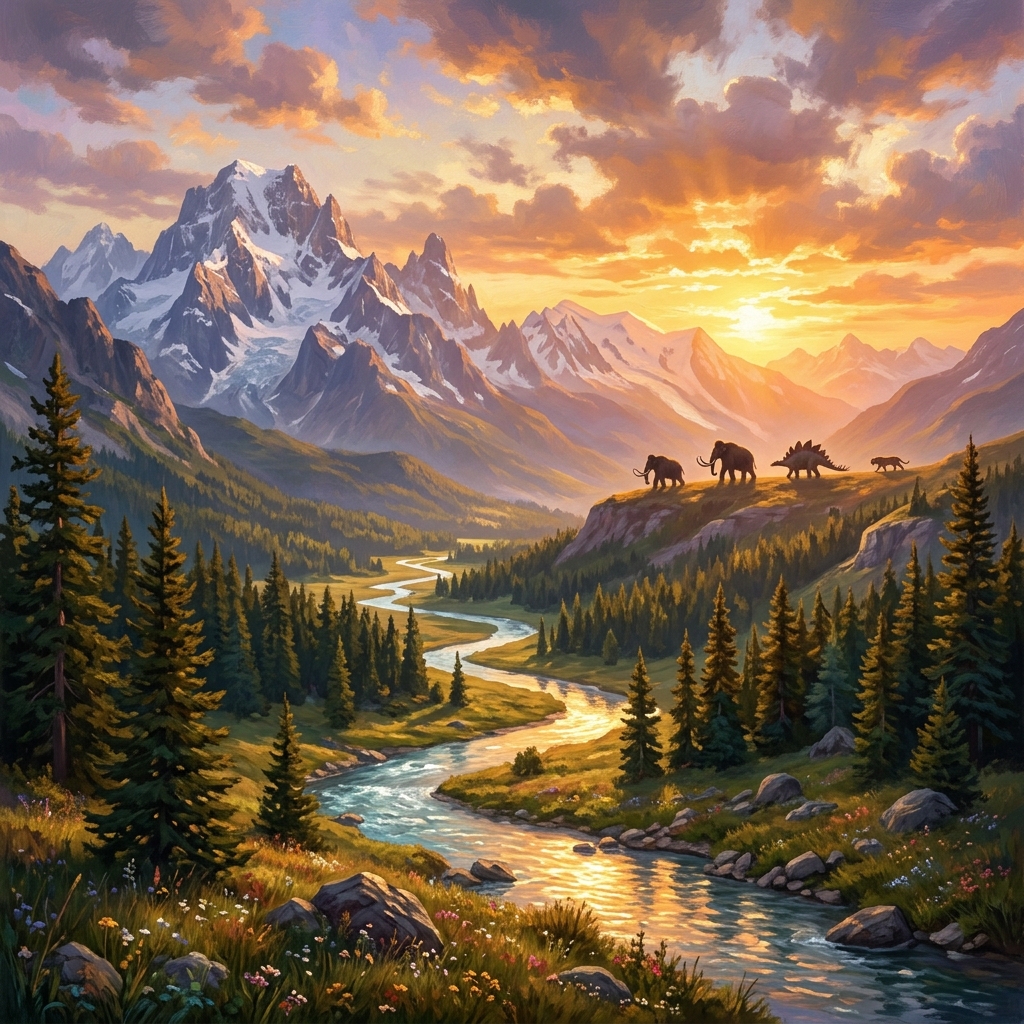
Jurassic World Dominion is the conclusion of the sequel trilogy, exploring a world where dinosaurs now live and hunt alongside humans globally. The story takes place four years after the events at Lockwood Manor. Owen Grady and Claire Dearing live in a remote cabin in the Sierra Nevada mountains to protect Maisie Lockwood from kidnapping by companies seeking to study her genetic makeup. Meanwhile, a swarm of giant genetically engineered locusts threatens the global food supply by destroying crops. Dr. Ellie Sattler suspects the locusts were created by Biosyn, a powerful biotechnology corporation led by Lewis Dodgson. Ellie recruits Dr. Alan Grant to help investigate Biosyn's headquarters in the Italian Alps. Dr. Ian Malcolm, working as an in-house philosopher at Biosyn, assists them. When Maisie is kidnapped by Biosyn agents, Owen and Claire pursue them, leading to a meeting of the original Jurassic Park cast and the modern Jurassic World characters inside Biosyn's private dinosaur sanctuary.
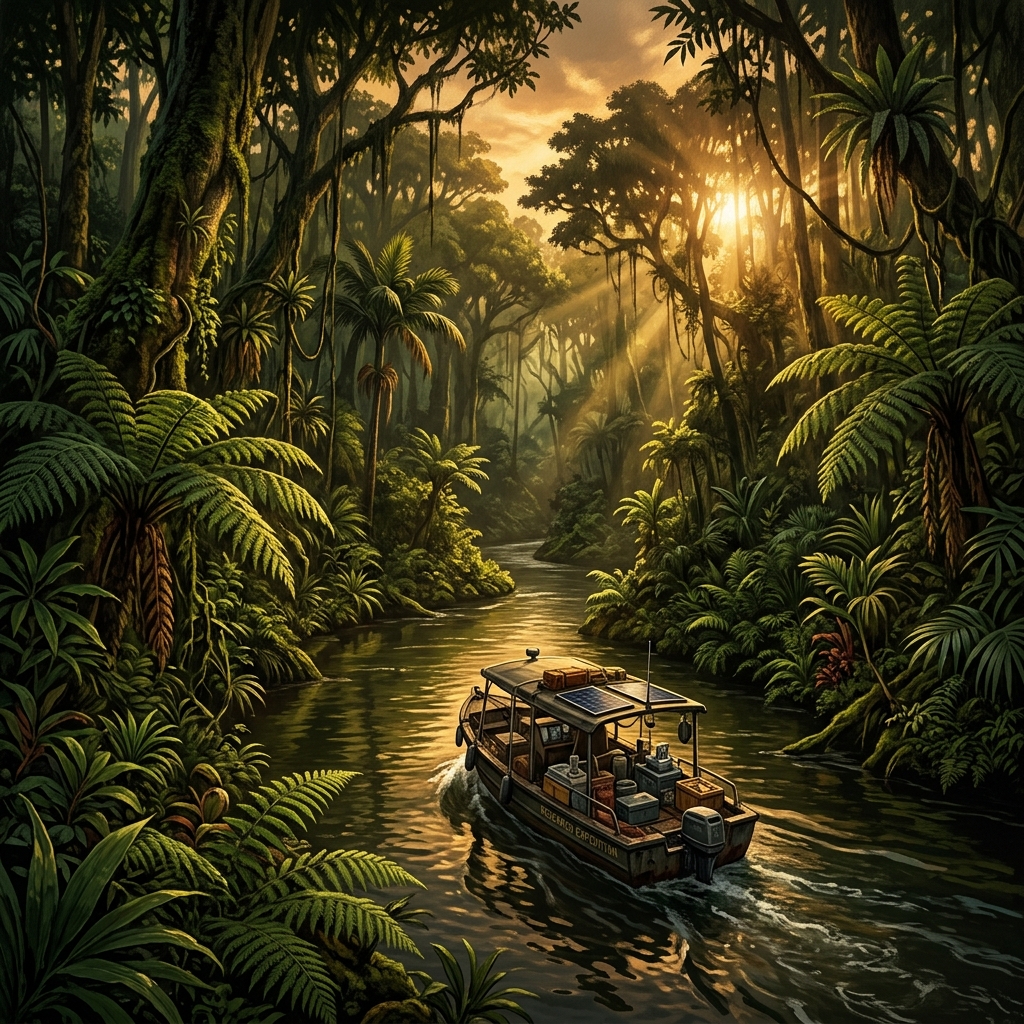
Jurassic World Rebirth serves as a soft reboot of the franchise, shifting the focus back to suspense-filled survival. The story takes place five years after the events of Dominion. The Earth's biosphere has proven hostile to prehistoric life, and the remaining dinosaurs now struggle to survive in localized equatorial climate zones. Zora Bennett, a skilled covert operations expert, is hired by a major pharmaceutical corporation to lead an expedition into these tropical zones. Her mission is to secure vital genetic material from the world's three largest remaining dinosaur species. The company believes this genetic material holds the key to a medical breakthrough that could cure various human illnesses. Zora's team travels to a remote jungle, but their mission is disrupted when they rescue a shipwrecked family. The group finds themselves stranded in a dangerous, isolated environment, hunted by unique mutated threats and returning predators, forcing them to fight for survival.
Essays connecting this film to effects craft, storytelling, and franchise history.
An analytical ranking of the antagonists in the Jurassic saga, contrasting corporate greed with genetically modified monsters.
Film EssayAn analysis of the invisible craft of cinematic sound design, examining how soundscapes, foley, and acoustic spaces build tension and manipulate psychological fear.
Film EssayA deep dive into the color theory and production design of modern science fiction cinema, from the neon dystopias of Blade Runner to the solar desolation of Dune.
Stay informed about new franchise guides, movie analysis articles, editorial updates, and website announcements.