Classic Era
Jurassic Park III
2001 1h 32m Dir: Joe Johnston Box Office: $368.8 Million
Official Release Date: July 18, 2001
Classic Era
Official Release Date: July 18, 2001
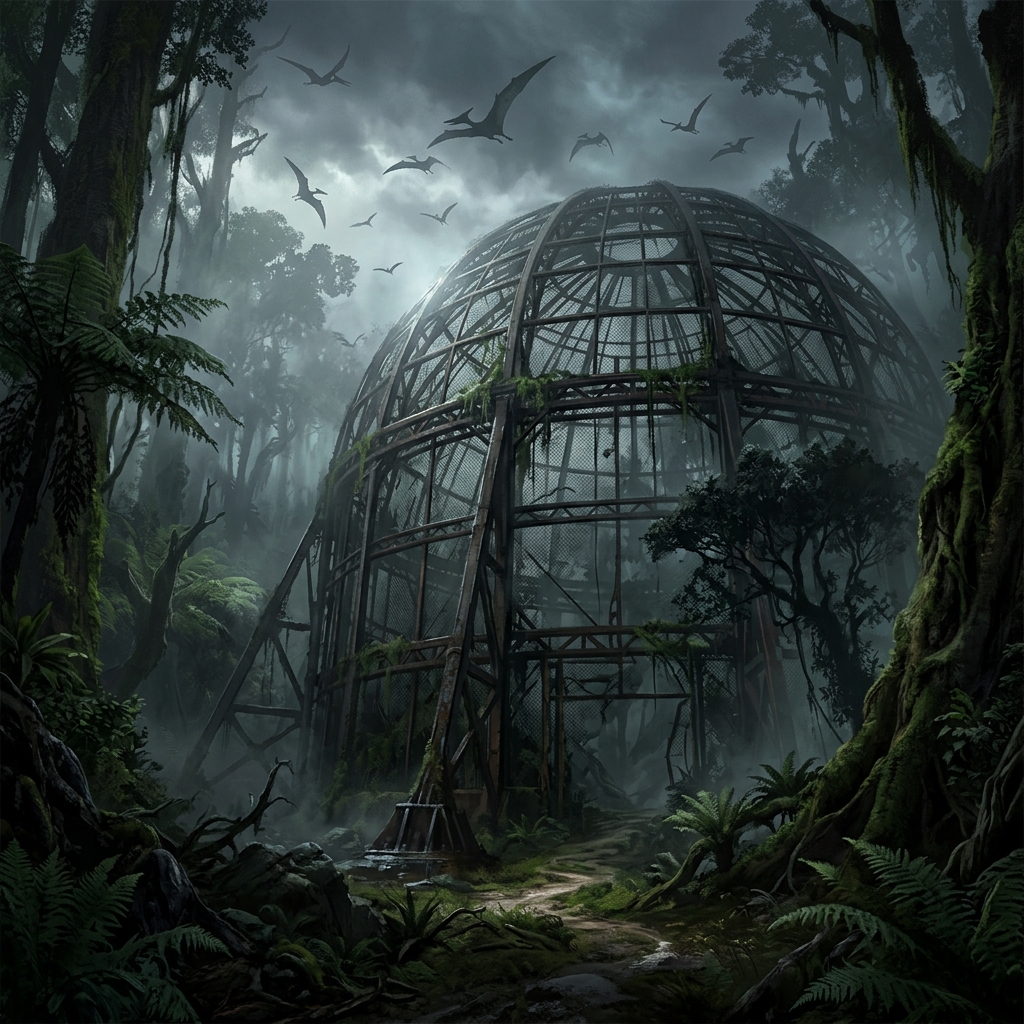
Jurassic Park III returns to the dangerous jungles of Isla Sorna for a fast-paced survival story. Dr. Alan Grant, still struggling to fund his paleontology research, is approached by Paul and Amanda Kirby, a wealthy couple who offer to fund his work if he guides them on an aerial tour of Site B. Grant agrees, bringing his assistant, Billy Brennan. However, the Kirbys reveal their true motive once they reach the island: they intend to land to search for their young son, Eric, who went missing during a parasailing accident near the coast. The plane lands, but an attack by a massive new predator, the Spinosaurus, destroys the aircraft and leaves the group stranded. As they travel across the island to reach the coast, they must survive encounters with the Spinosaurus, a pack of highly intelligent Velociraptors searching for stolen eggs, and a colony of aggressive Pteranodons inside a massive aviary.
Jurassic Park III is a straightforward, action-heavy creature feature that prioritizes thrills and pacing over philosophical themes. Directed by Joe Johnston, the film has a shorter runtime and moves quickly from one action sequence to the next. The decision to introduce the Spinosaurus as the new main antagonist was controversial, especially the scene where it defeats a Tyrannosaurus Rex, but it succeeded in giving the film a distinct feel. The visual effects are a mix of CGI and practical animatronics, with the animatronic Spinosaurus being the largest physical creature built for the franchise. The script is simple, focusing on a family reunion rather than corporate conspiracy, which makes it feel less ambitious than the previous films. Sam Neill gives a reliable performance, returning as the cynical Dr. Grant, and William H. Macy and Tea Leoni bring an energetic, if sometimes grating, dynamic as the desperate parents. The highlight of the film is the aviary sequence, which delivers excellent suspense and action. While it lacks the depth of Steven Spielberg's entries, Jurassic Park III is a fun, fast-paced adventure that will satisfy fans of monster movies.
This entry completed the original trilogy and marked the last time the franchise would focus on the islands of Isla Nublar and Isla Sorna for over a decade. It introduced new dinosaur designs, including feathered Velociraptors, reflecting updated scientific research of the time. The film also established that the dinosaurs on Site B had become a self-sustaining ecosystem, setting up the background for the modern conservation themes in the Jurassic World films.
The production of Jurassic Park III was challenging, starting filming without a completed script. Director Joe Johnston and the writers made daily revisions during filming. Animatronic supervisor John Rosengrant built a massive Spinosaurus model that weighed 24,000 pounds and was operated by hydraulics. Filming took place on Oahu and Maui, as well as on soundstages in Universal City.
Fans remember the film for the Spinosaurus vs T-Rex battle, the tense walk through the mist-filled Pteranodon aviary, and the scene where a Velociraptor appears to speak to Alan Grant in a dream. The film's depiction of the raptors as highly coordinated pack hunters with advanced communication skills remains a key element of the franchise's lore.
Jurassic Park III, directed by Joe Johnston, represents a major departure in style, prioritizing fast-paced, B-movie creature thrills over the philosophical and scientific debates of the previous entries. Johnston, known for his work on action-adventure films, brought a lighter, more serialized energy to the project, resulting in the shortest film in the franchise. The filmmaking is characterized by rapid pacing and physical stunts, with a heavy reliance on animatronic effects, notably the massive hydraulic Spinosaurus built by Stan Winston's studio. This creature was designed to challenge the Tyrannosaurus Rex, a creative decision that divided audiences and triggered debate among dinosaur enthusiasts.
The franchise impact of Jurassic Park III was marked by a cooling of public interest, which led to a fourteen-year hiatus for the series. It proved that the 'island survival' formula was reaching its limits and that the franchise needed a structural reboot to remain relevant.
Critical reception was generally lukewarm, with reviewers criticizing the thin plot, lack of character development, and abrupt ending. However, audience reception has softened over the years, with many fans appreciating the film's straightforward action, the atmospheric Pteranodon aviary sequence, and Sam Neill's reliable return as Dr. Alan Grant. In retrospect, Jurassic Park III serves as an important transition point, showing the challenges of maintaining a high-budget franchise without a clear narrative direction.
Jurassic Park III is fundamentally a rescue story about expertise recovering its value. Grant is deceived into returning to dinosaur territory, yet the Kirbys survive only when they begin listening to him and when he accepts that living raptors have exceeded the fossil record. The resonating-chamber sequence turns that idea into a compact theme: paleontology can offer a hypothesis, but encounter produces new knowledge. The film also replaces the franchise's corporate antagonist with ordinary desperation. Paul and Amanda make reckless decisions because they are frightened parents, not because they want to commercialize genetics. That narrower motive suits the film's brisk serial form. Its legacy is more complicated than its reputation as a minor sequel suggests. The Spinosaurus reset the creature hierarchy, the aviary finally realized an image developed for earlier scripts, and the raptors received a more communicative social structure. What the movie lacks in philosophical debate it partly recovers through an interest in animal behavior.
Jurassic Park III is a fast, unpretentious survival film. It does not reach the heights of the original, but it offers plenty of fun dinosaur action and is an enjoyable watch for fans of the genre.
The rescue mission returns to InGen's second island, previously introduced in The Lost World. This allows the story to begin with free-ranging animals and no functioning park infrastructure.
The filmmakers wanted a new silhouette and threat rather than repeating the Tyrannosaurus as the primary pursuer. That choice remains one of the film's most debated creative decisions.
Later live-action films rarely depend on its plot, but it completes Grant's original-era arc and expands the franchise's treatment of raptor intelligence and pterosaur environments.
The studio's original promotional trailer, included as production context.
Continue through nearby entries and compare how the series changes.
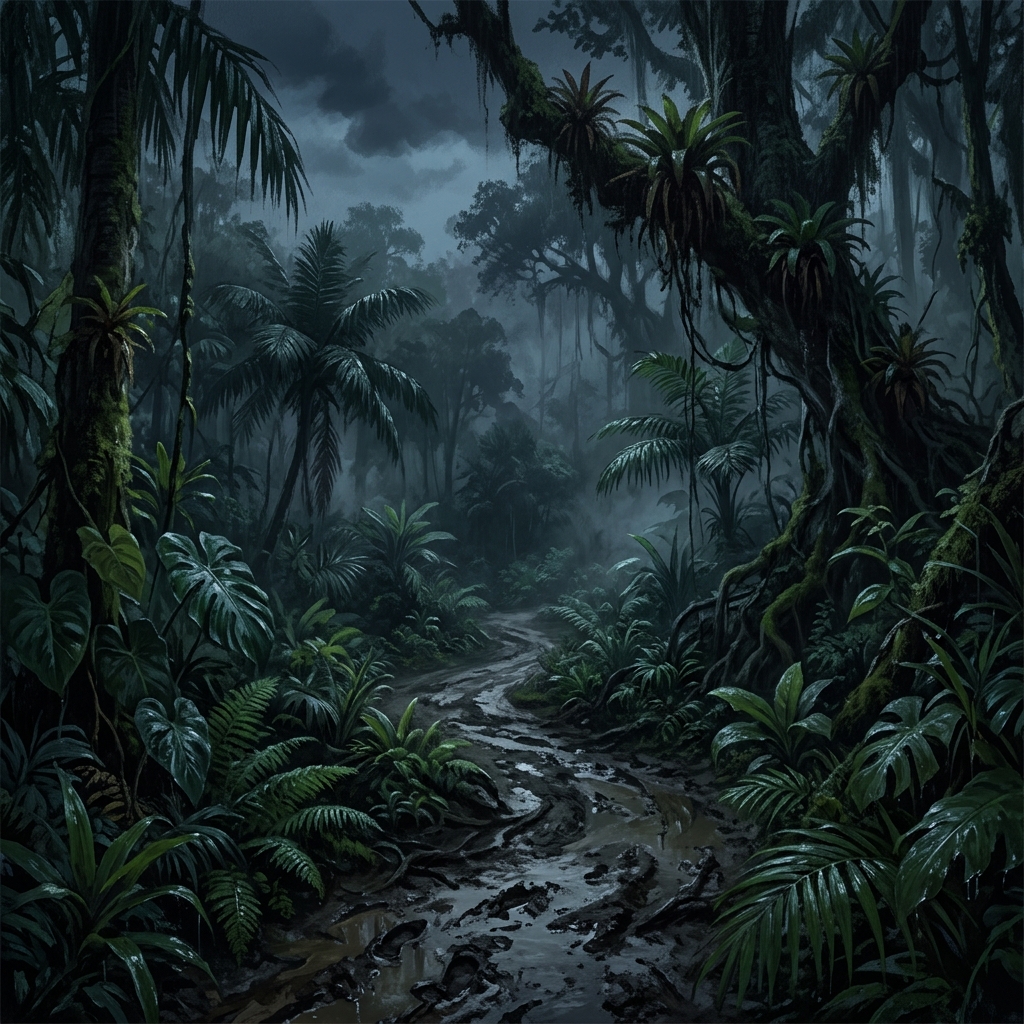
The Lost World: Jurassic Park expands the franchise by introducing a second island, Isla Sorna, also known as Site B. The story takes place four years after the disaster on Isla Nublar. John Hammond has lost control of InGen to his corporate-minded nephew, Peter Ludlow. Ludlow plans to capture the wild dinosaurs on Site B and bring them to a new theme park in San Diego to save the company from bankruptcy. Hammond, seeking to protect the animals, recruits Dr. Ian Malcolm to lead an expedition to document the dinosaurs in their natural habitat and build public support for ecological preservation. Malcolm is reluctant but joins the mission when he learns his girlfriend, paleontologist Dr. Sarah Harding, is already on the island. The research team soon collides with Ludlow's heavily armed mercenary hunters. When both groups are stranded without communication after a dinosaur attack, they must work together to reach an old communications station, navigating a jungle filled with aggressive predators.
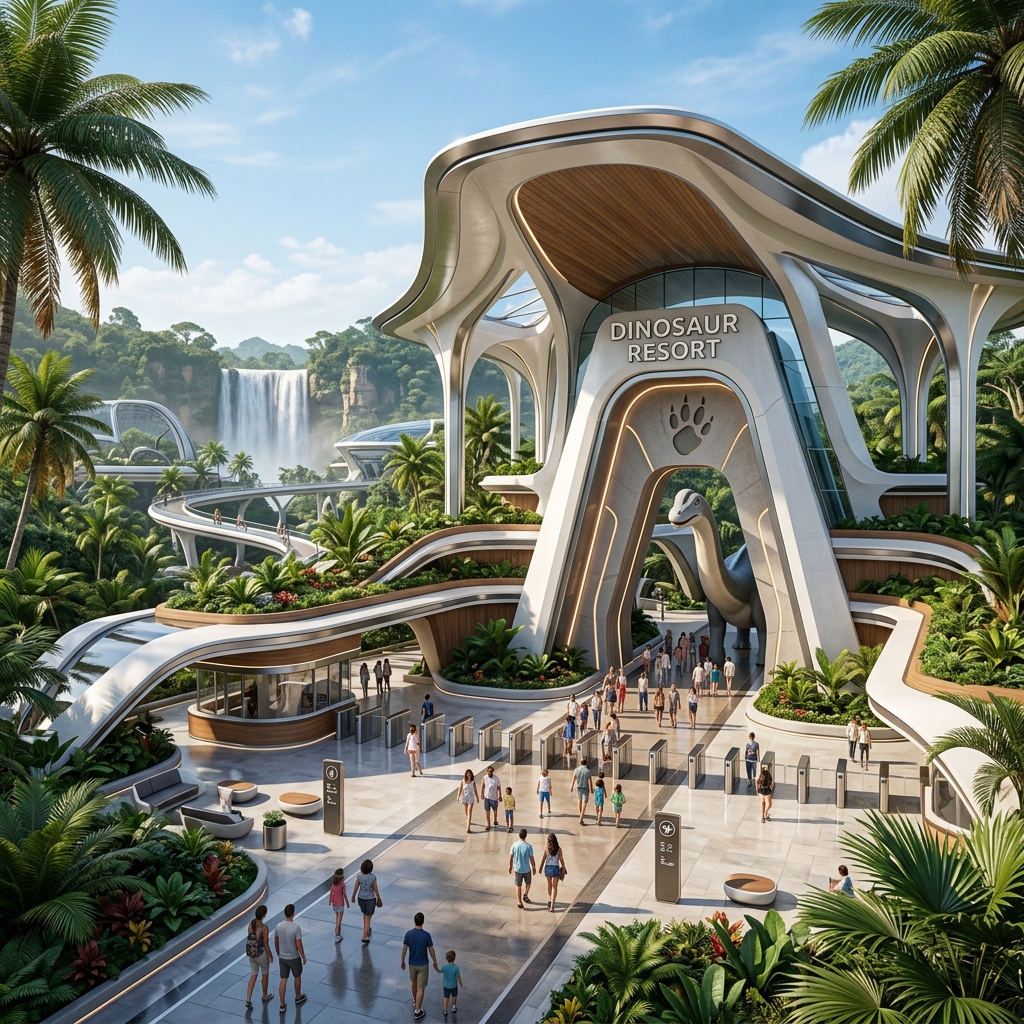
Jurassic World modernizes the franchise by showing John Hammond's dream fully realized: a functional, high-tech dinosaur theme park on Isla Nublar. Owned by Masrani Global, the park attracts tens of thousands of visitors daily. However, to keep attendance high, corporate executives demand new attractions. The park's geneticists, led by Dr. Henry Wu, create the Indominus Rex, a highly intelligent and aggressive hybrid dinosaur made from the DNA of various species. Claire Dearing, the park manager, oversees operations, while Owen Grady, a former Navy specialist, conducts research on training a pack of Velociraptors. When the Indominus Rex outsmarts its handlers and escapes its enclosure, it begins hunting for sport, disrupting the park's security. Claire's nephews, Zach and Gray, are lost in the jungle, and Owen and Claire must find them. To stop the hybrid predator, Owen must use his bond with the raptors, leading to a massive battle that threatens the future of the park.
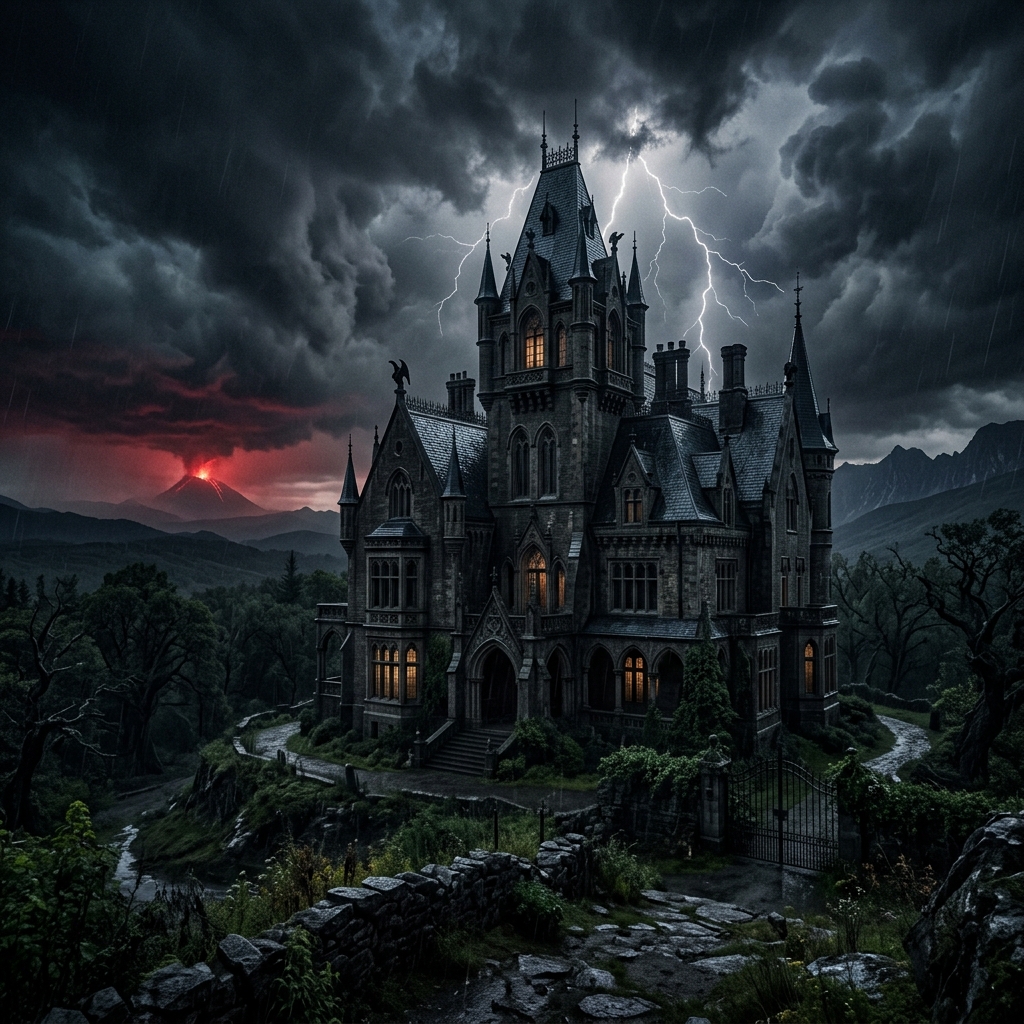
Jurassic World: Fallen Kingdom takes the franchise in a dark, atmospheric direction. Three years after the destruction of the resort, a volcanic eruption threatens to destroy Isla Nublar and its remaining dinosaurs. Claire Dearing, now a dinosaur rights activist, is recruited by Eli Mills, the assistant to John Hammond's former partner Sir Benjamin Lockwood. Mills plans to rescue the dinosaurs and move them to a private sanctuary. Claire recruits Owen Grady to help capture Blue, the last surviving Velociraptor. However, upon arriving on the island, Owen and Claire are betrayed by the rescue team's mercenaries. They discover that the dinosaurs are being sent to Lockwood Manor in Northern California to be auctioned to international weapons dealers. The auction's main attraction is the Indoraptor, a new, highly dangerous hybrid predator designed for military use. Owen and Claire escape the island before the volcano erupts and must infiltrate the manor to stop the auction and prevent the hybrid from escaping into the wild.
Essays connecting this film to effects craft, storytelling, and franchise history.
How a perfect blend of Stan Winston animatronics and ILM computer graphics revolutionized visual effects forever.
Film EssayFrom physical hydraulic rigs to digital animation, tracking the 30-year technical evolution of creature design.
Film EssayAn analytical ranking of the antagonists in the Jurassic saga, contrasting corporate greed with genetically modified monsters.
Stay informed about new franchise guides, movie analysis articles, editorial updates, and website announcements.