Chris Columbus Era
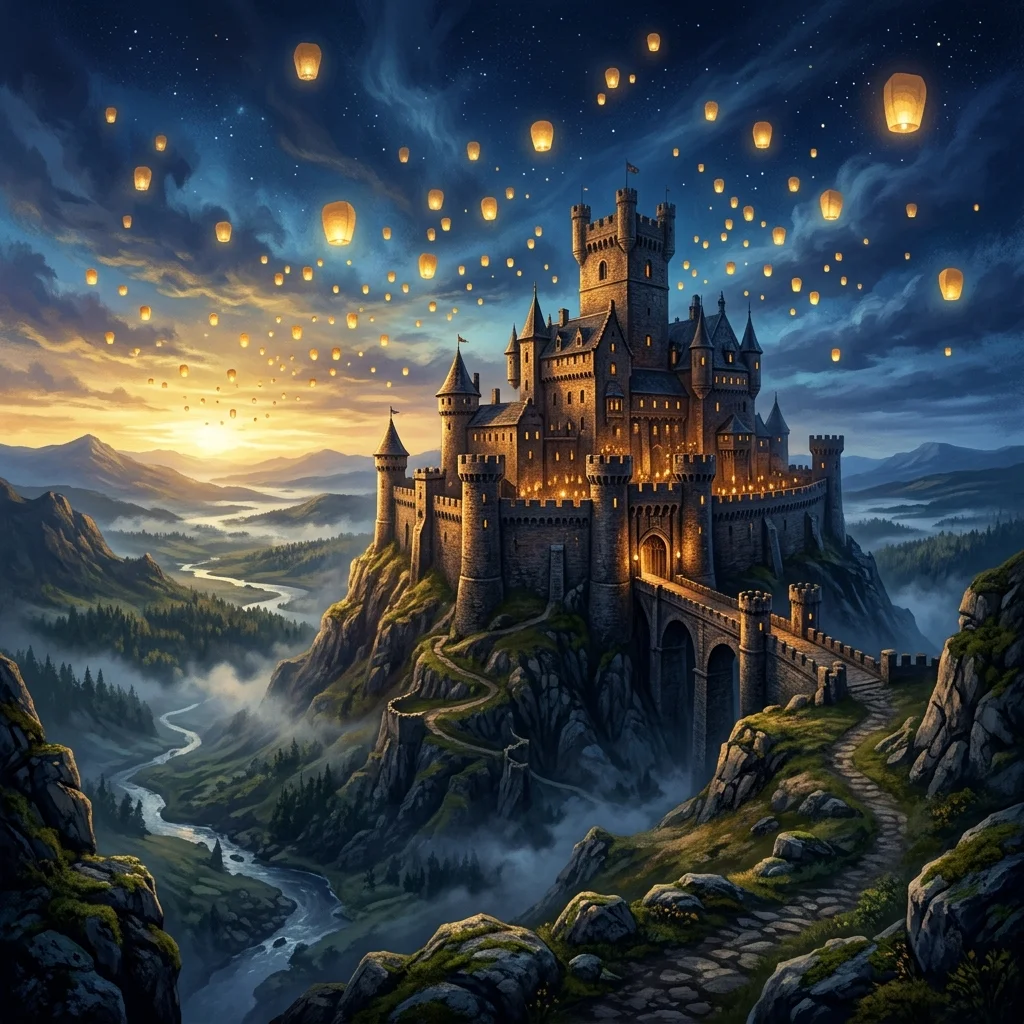
Harry Potter and the Sorcerer's Stone
2001 2h 32m Dir: Chris Columbus Box Office: $1.02 Billion
Official Release Date: November 16, 2001
Chris Columbus Era
Official Release Date: November 16, 2001
On his eleventh birthday, Harry Potter, an neglected orphan raised by his cruel aunt and uncle, discovers he is actually a wizard and has been invited to attend Hogwarts School of Witchcraft and Wizardry. Escaping his mundane life with the help of the gentle giant Rubeus Hagrid, Harry enters a magical world where he learns the truth about his past: his parents were killed by the dark wizard Lord Voldemort, and Harry somehow survived the attack as an infant, leaving him with a lightning-bolt scar and global fame. At Hogwarts, Harry makes close friends with Ron Weasley and Hermione Granger, and together they explore the secrets of the castle. When they discover that a powerful, life-prolonging object known as the Sorcerer's Stone is hidden within the school, they suspect a teacher is planning to steal it for the weakened Voldemort, forcing the young wizards to bypass a series of dangerous magical defenses to protect it.
Chris Columbus's adaptation of J.K. Rowling's first novel is a warm, highly faithful translation that successfully establishes the visual and emotional foundation of the franchise. While the film's pacing can feel slightly slow due to its dedication to incorporating every detail of the book, Columbus excels at capturing the child-like wonder of entering Hogwarts. The production design by Stuart Craig is magnificent, transforming locations like Alnwick Castle and Gloucester Cathedral into the iconic school. The young lead actors—Daniel Radcliffe, Rupert Grint, and Emma Watson—perform with natural charm, supported by a legendary cast of British character actors including Richard Harris, Robbie Coltrane, and Alan Rickman. John Williams's score, particularly Hedwig's Theme, is a masterpiece that elevates the fantasy elements. The film's primary strength is its warmth; it creates a magical home that audiences would want to return to for the next decade.
As the first entry, this film established the primary cast, the visual design of Hogwarts, the rules of spellcasting, and the overarching threat of Lord Voldemort. It introduced key characters, locations, and magical concepts—such as Quidditch, the houses of Hogwarts, and the Sorting Hat—that remain central to the entire eight-film narrative.
Chris Columbus was selected to direct due to his proven track record with child actors in Home Alone and Mrs. Doubtfire. The production faced strict casting guidelines, with J.K. Rowling insisting that all actors be British or Irish. Filming took place at various historical cathedrals and schools across the United Kingdom, establishing a tangible, historic look for Hogwarts rather than relying entirely on studio sets.
Fans remember the film for Harry's first entrance into Diagon Alley, the sorting ceremony in the Great Hall, the high-stakes giant chess match, and Hagrid's classic line: 'You're a wizard, Harry.' The warm, candlelit dinners in the Great Hall established Hogwarts as a place of safety and magic.
Chris Columbus directs the film with a classical, high-key lighting style designed to emphasize the warmth and safety of the wizarding world. The camera movements are gentle and steady, matching the perspective of a child exploring a new home. Cinematographer John Seale uses a warm, golden color palette, filling the frames with candlelight, rich wood tones, and vibrant primary colors. This visual choice contrasts sharply with the cold, gray tones of the Dursleys' suburban home, visually representing Harry's escape from isolation into community. The film's structure is episodic, dedicating substantial screen time to world-building and establishing the daily rhythms of Hogwarts life before introducing the main plot of the Stone. This structural choice, while criticized by some for slowing the narrative momentum, was crucial for building the audience's emotional attachment to the school, turning Hogwarts into a character in its own right.
The film's central theme is the transition from isolation to belonging. Harry's journey is not just about learning magic; it is about finding a family and discovering his own identity. The narrative also introduces the themes of choice and sacrifice, showing that courage is defined by the decisions we make in the face of fear. The film's massive box office success proved the viability of multi-part book adaptations, changing studio priorities and establishing the template for the modern fantasy blockbuster.
Harry Potter and the Sorcerer's Stone is a delightful, faithful family fantasy that successfully brings the Wizarding World to life, establishing the characters and magic that would define a generation of cinema.
Yes. It introduces the main characters, the school, the rules of magic, and the central conflict with Voldemort. Skipping it will make later developments confusing.
It is one of the most faithful adaptations in the series, retaining almost all major characters, subplots, and dialogue from J.K. Rowling's original novel.
It is rated PG, making it a family-friendly fantasy suitable for young children, unlike the darker later sequels.
The studio's original promotional trailer, included as production context.
No previous movie.
Continue through nearby entries and compare how the series changes.
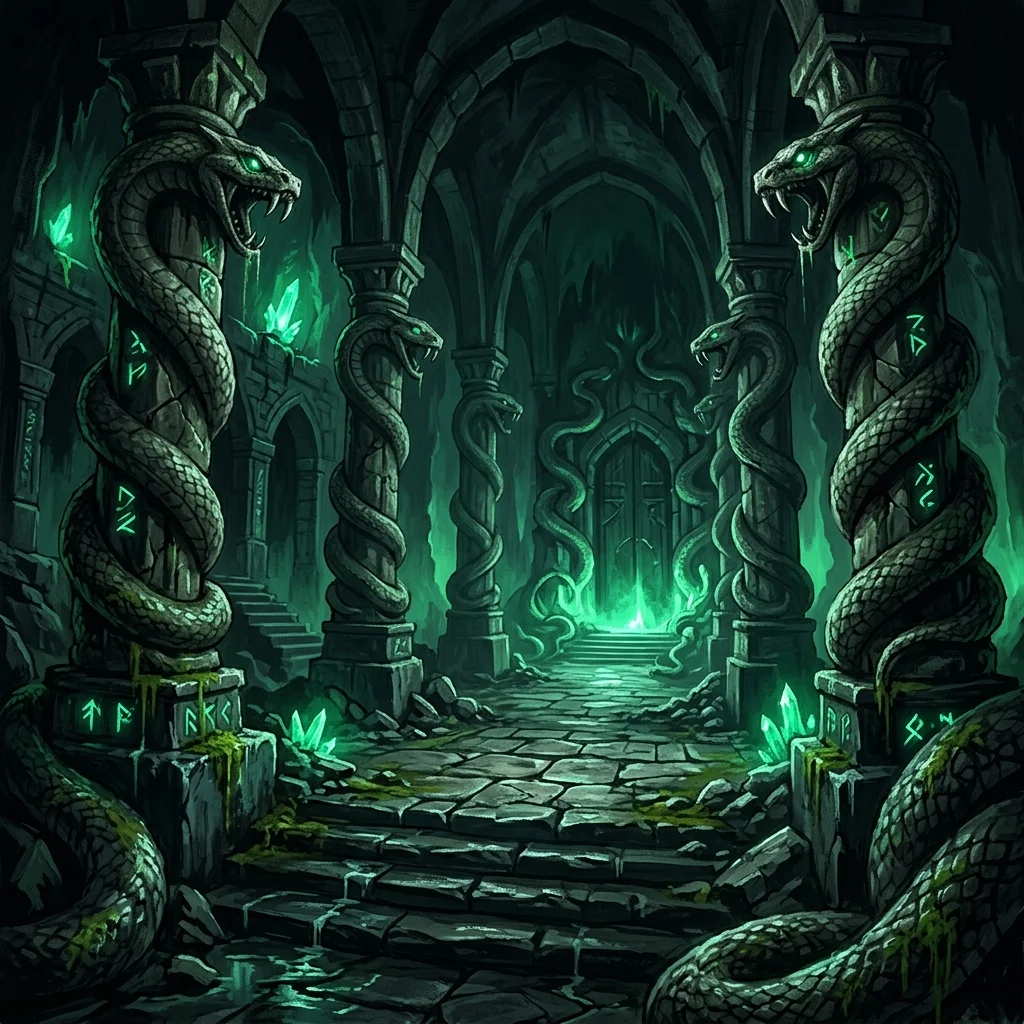
During his second year at Hogwarts, Harry Potter ignores warnings from a house-elf named Dobby and returns to school, only to find the castle threatened by a mysterious dark force. Someone has reopened the legendary Chamber of Secrets, releasing a hidden monster that petrifies students born to non-magical parents (Muggle-borns). As fear spreads, suspicion falls on Harry when he accidentally reveals he can speak Parseltongue—the language of snakes. With their friend Hermione Granger among the victims, Harry and Ron Weasley must unravel the mystery of the Chamber's creator, Salazar Slytherin, and locate the Chamber itself. Their search leads to a confrontation with a memory of the young Voldemort (Tom Riddle) preserved in an enchanted diary, forcing Harry to battle a giant serpent, the Basilisk, to save Ron's sister, Ginny.
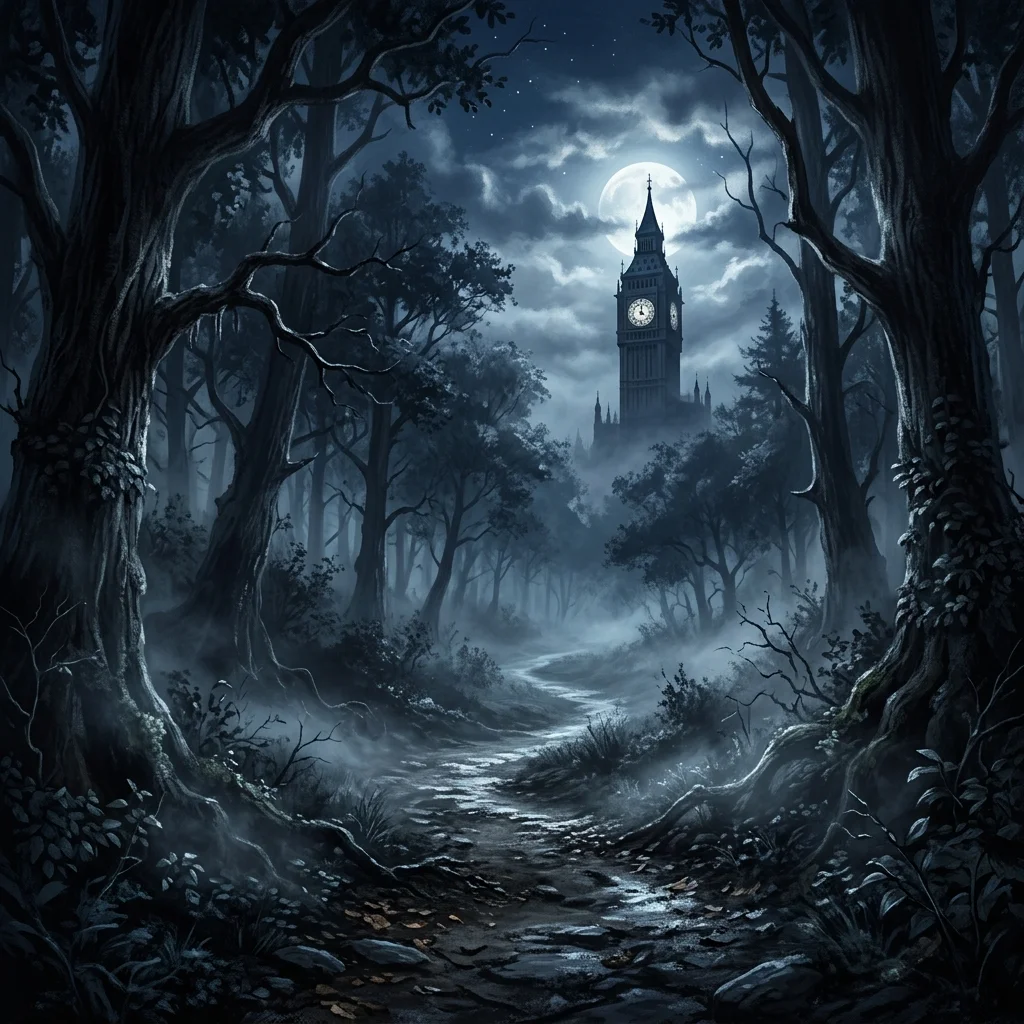
In his third year at Hogwarts, Harry Potter faces a personal threat when Sirius Black, a dangerous murderer and follower of Lord Voldemort, escapes from the wizard prison Azkaban. The school is guarded by Dementors—terrifying spectral guards who drain happiness and feed on despair. Under the guidance of the new Defense Against the Dark Arts teacher, Remus Lupin, Harry learns the Patronus Charm to defend himself. When Harry and his friends discover that Sirius was actually his parents' best friend, they suspect he betrayed them to Voldemort. However, they soon uncover the truth: Sirius is innocent, framed by Peter Pettigrew, who has been hiding as Ron's pet rat. To save Sirius from the Dementors, Harry and Hermione must use a Time-Turner to rewrite the events of the night.
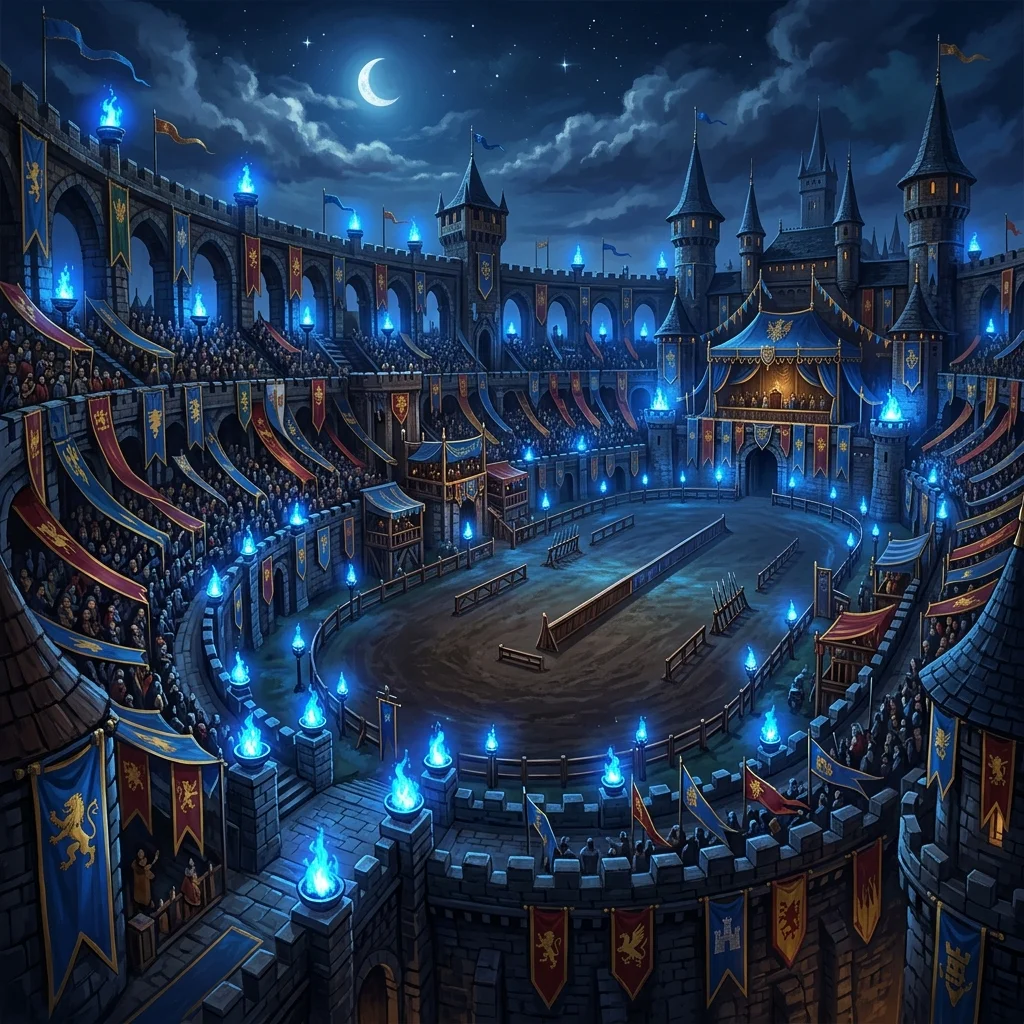
In his fourth year, Harry Potter is mysteriously selected as a fourth champion in the Triwizard Tournament—a dangerous magical competition between three European wizarding schools. Because the rules are binding, Harry must compete in three trials: battling a dragon, rescuing friends from a frozen lake, and navigating a hedge maze. As Harry struggles with the tournament and the social pressures of the Yule Ball, he remains unaware of a conspiracy. The tournament has been manipulated by Voldemort's followers to lead Harry to a graveyard. There, Voldemort uses Harry's blood to regain his physical body, resulting in a duel where Harry narrowly escapes, bringing back the body of classmate Cedric Diggory and announcing the Dark Lord's return.
Essays connecting this film to effects craft, storytelling, and franchise history.
An in-depth thematic analysis comparing the suspense of the original trilogy with the global scale of the sequel trilogy.
Film EssayAn exhaustive cinematic ranking of the greatest prehistoric adventures, tracking stop-motion classics to modern CGI landmarks.
Film EssayHow a perfect blend of Stan Winston animatronics and ILM computer graphics revolutionized visual effects forever.
Stay informed about new franchise guides, movie analysis articles, editorial updates, and website announcements.