Darkening Magic Era
Harry Potter and the Prisoner of Azkaban
2004 2h 22m Dir: Alfonso Cuarón Box Office: $797.4 Million
Official Release Date: June 4, 2004
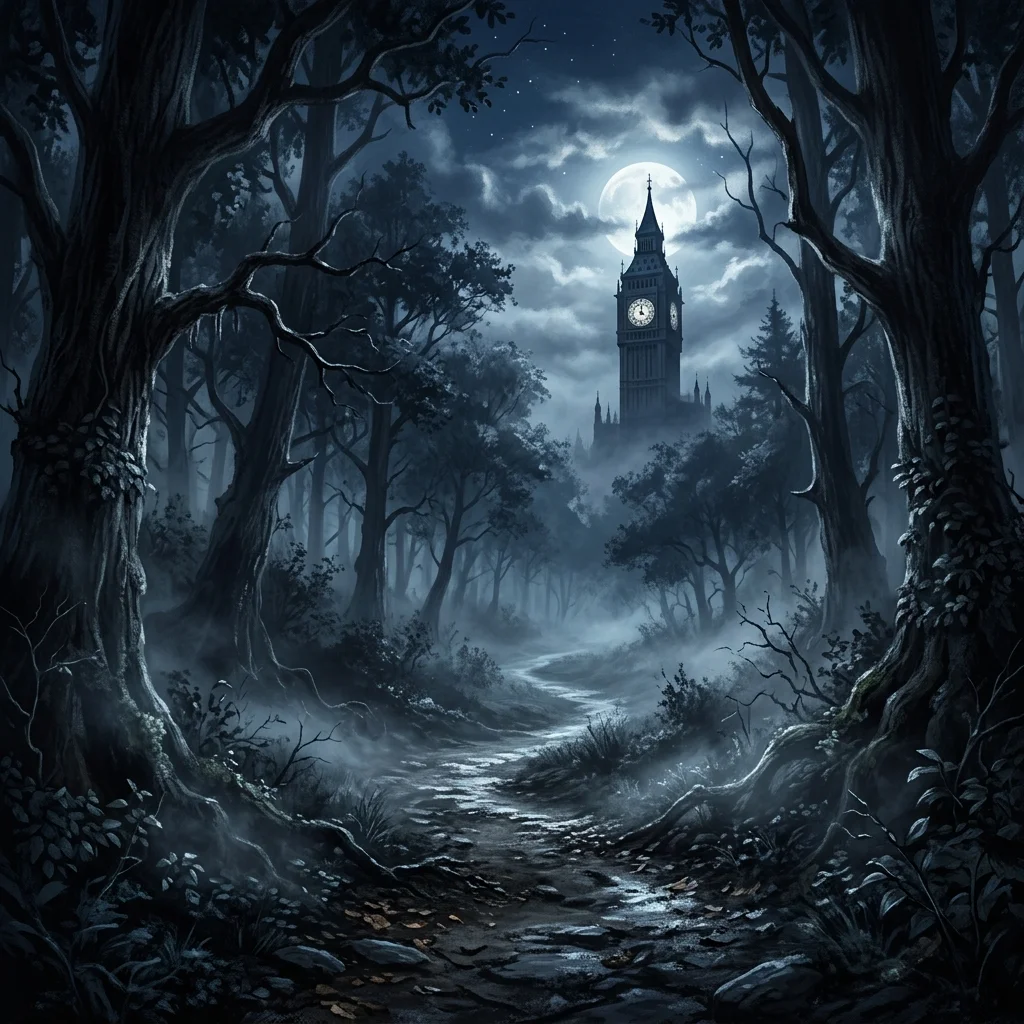
Darkening Magic Era
Official Release Date: June 4, 2004
In his third year at Hogwarts, Harry Potter faces a personal threat when Sirius Black, a dangerous murderer and follower of Lord Voldemort, escapes from the wizard prison Azkaban. The school is guarded by Dementors—terrifying spectral guards who drain happiness and feed on despair. Under the guidance of the new Defense Against the Dark Arts teacher, Remus Lupin, Harry learns the Patronus Charm to defend himself. When Harry and his friends discover that Sirius was actually his parents' best friend, they suspect he betrayed them to Voldemort. However, they soon uncover the truth: Sirius is innocent, framed by Peter Pettigrew, who has been hiding as Ron's pet rat. To save Sirius from the Dementors, Harry and Hermione must use a Time-Turner to rewrite the events of the night.
Directed by Alfonso Cuarón, The Prisoner of Azkaban is widely regarded by critics as the artistic peak of the franchise. Cuarón completely revitalizes the visual language of the series, moving away from Columbus's literal staging to embrace cinematic poetry, atmospheric lighting, and fluid camera movement. The characters wear contemporary clothing rather than uniforms, making Hogwarts feel like a real boarding school. Gary Oldman is superb as Sirius Black, and David Thewlis provides a warm, melancholic performance as Lupin. The film's use of seasonal transitions, animal imagery, and the Time-Turner structure creates a rich, complex narrative that treats the fantasy world with artistic seriousness. It is a landmark entry that transformed the series from a children's adventure into a mature cinematic work.
This film introduces Sirius Black and Remus Lupin, who become crucial mentors and father figures to Harry. It also introduces the Marauder's Map, the Dementors, and the concept of Animagi, while shifting the central conflict from Lord Voldemort to the personal history of Harry's parents.
Cuarón was hired on the recommendation of Guillermo del Toro. To help the three young lead actors prepare, Cuarón asked them to write an essay about their characters from a first-person perspective. Emma Watson wrote a ten-page essay, Daniel Radcliffe wrote a single page, and Rupert Grint forgot to turn his in—responses that Cuarón noted matched their characters' personalities perfectly.
Fans remember the Knight Bus ride, the Hippogriff flight over the lake, the Boggart class, and the emotional climax where Harry casts his first corporeal Patronus. The sweeping, woodwind-heavy score by John Williams remains a fan favorite.
Alfonso Cuarón and cinematographer Michael Seresin introduce a moody, desaturated visual palette dominated by cool blues, slate grays, and natural earth tones. The camera is constantly in motion, utilizing long takes and handheld tracking shots that establish the spatial geography of Hogwarts. Craig's production design is updated, adding a wooden bridge, a steep hillside path, and a darker, more organic layout to the grounds. Cuarón uses seasonal transitions—a falling leaf, a freezing window, a soaring bird—to mark the passage of time, making the environment feel alive. The editing is fluid, transitioning between the objective reality of the school and the subjective dread of Harry's Dementor encounters. The Time-Turner sequence is a masterclass in temporal staging, showing the same events from different perspectives in a single, continuous geography.
The film explores the themes of fear, memory, and the passage of time. The Dementors serve as a metaphor for depression, showing that fear is defeated not by physical strength, but by happy memories and internal resolve. The narrative also examines the complexity of truth, showing that adults and institutions are often flawed and that history is shaped by who has the power to tell the story.
Harry Potter and the Prisoner of Azkaban is a visual masterpiece and a franchise-defining triumph, blending rich character development with Alfonso Cuarón's distinct, poetic directorial vision.
Director Alfonso Cuarón updated the visual style, using desaturated colors, hand-held camera work, contemporary clothing, and a more open, organic layout for Hogwarts.
Sirius Black is Harry Potter's godfather and was his father's best friend. He was framed for betraying Harry's parents to Voldemort, a crime committed by Peter Pettigrew.
Dementors are the guards of Azkaban. They are spectral creatures that feed on human happiness, causing intense cold and despair, and can suck out a person's soul.
The studio's original promotional trailer, included as production context.
Continue through nearby entries and compare how the series changes.
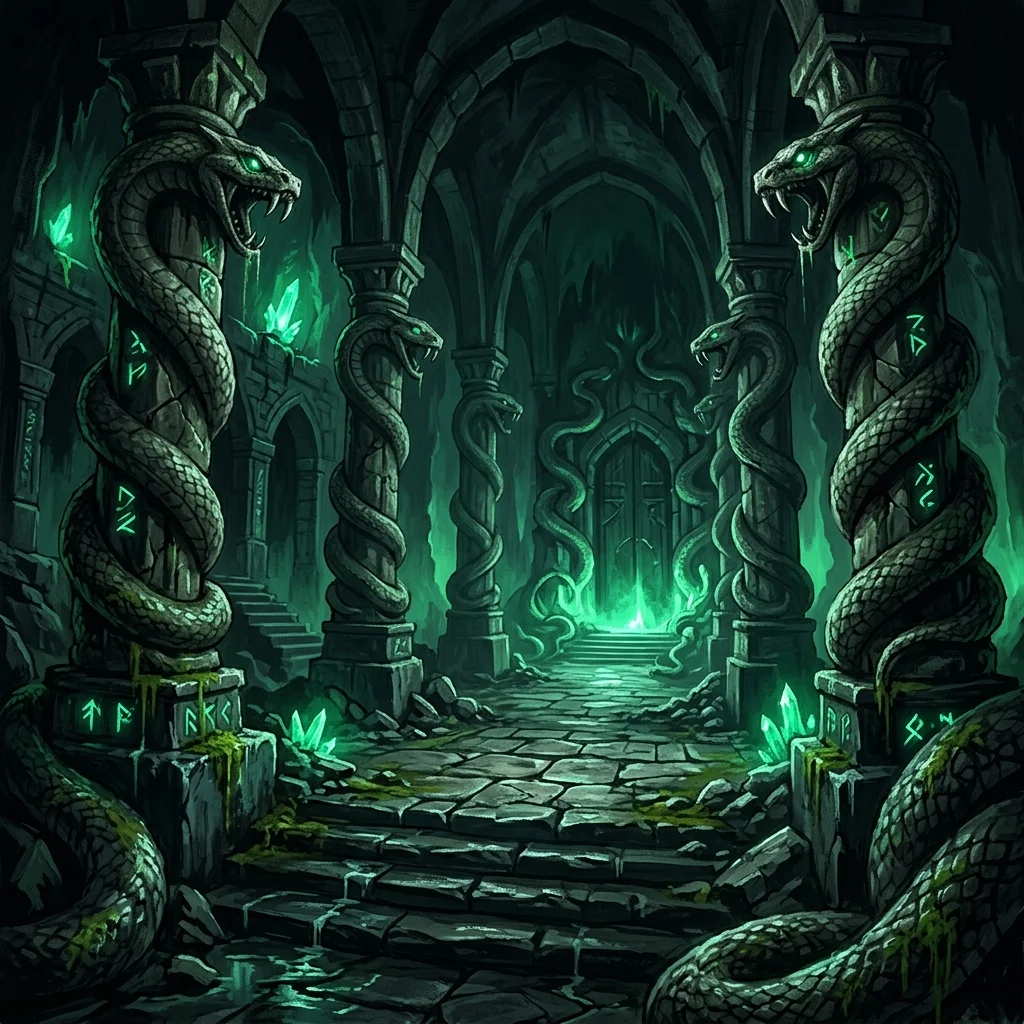
During his second year at Hogwarts, Harry Potter ignores warnings from a house-elf named Dobby and returns to school, only to find the castle threatened by a mysterious dark force. Someone has reopened the legendary Chamber of Secrets, releasing a hidden monster that petrifies students born to non-magical parents (Muggle-borns). As fear spreads, suspicion falls on Harry when he accidentally reveals he can speak Parseltongue—the language of snakes. With their friend Hermione Granger among the victims, Harry and Ron Weasley must unravel the mystery of the Chamber's creator, Salazar Slytherin, and locate the Chamber itself. Their search leads to a confrontation with a memory of the young Voldemort (Tom Riddle) preserved in an enchanted diary, forcing Harry to battle a giant serpent, the Basilisk, to save Ron's sister, Ginny.
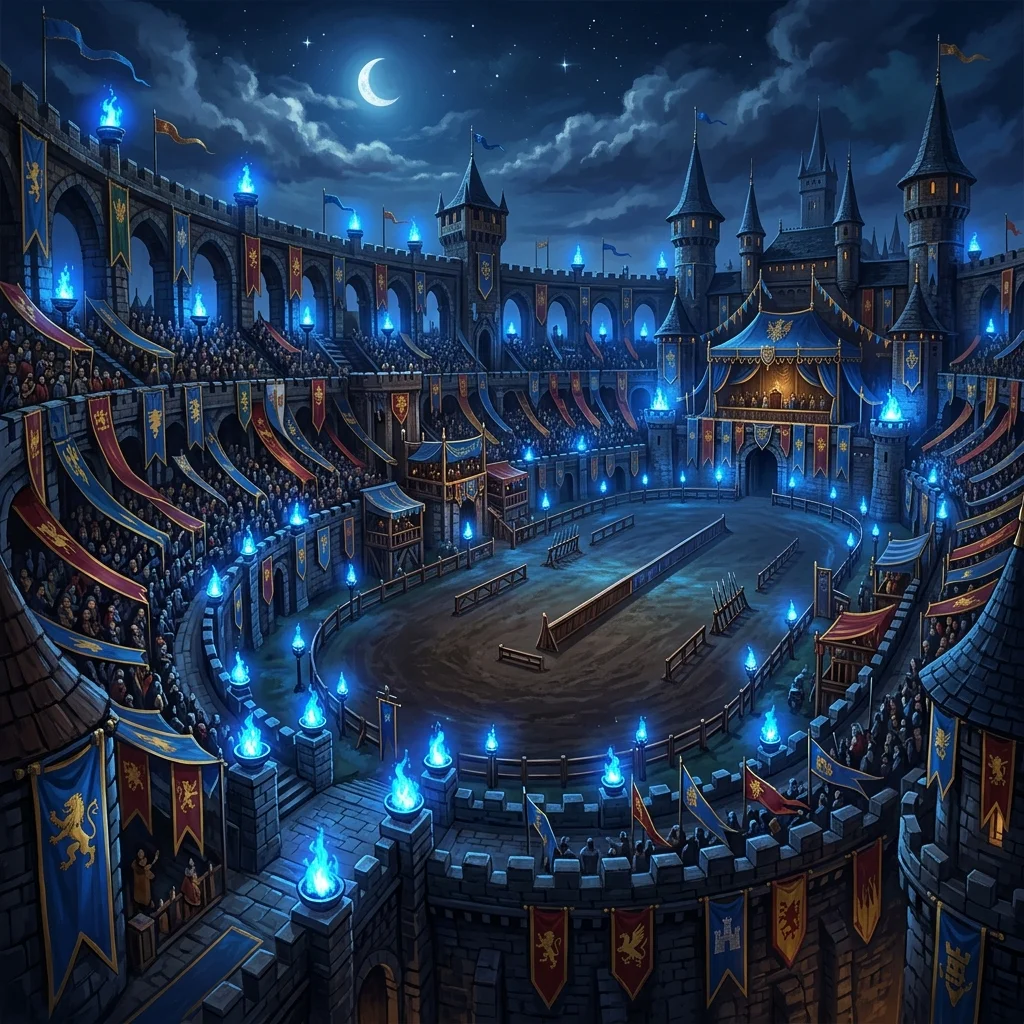
In his fourth year, Harry Potter is mysteriously selected as a fourth champion in the Triwizard Tournament—a dangerous magical competition between three European wizarding schools. Because the rules are binding, Harry must compete in three trials: battling a dragon, rescuing friends from a frozen lake, and navigating a hedge maze. As Harry struggles with the tournament and the social pressures of the Yule Ball, he remains unaware of a conspiracy. The tournament has been manipulated by Voldemort's followers to lead Harry to a graveyard. There, Voldemort uses Harry's blood to regain his physical body, resulting in a duel where Harry narrowly escapes, bringing back the body of classmate Cedric Diggory and announcing the Dark Lord's return.
In his fifth year, Harry Potter discovers that the Ministry of Magic is denying Voldemort's return, labeling Harry and Dumbledore as liars. The Ministry installs Dolores Umbridge as the new Defense Against the Dark Arts teacher to monitor the school. Umbridge refuses to teach practical magic, establishing a bureaucratic regime that strips students of their rights. In response, Harry forms "Dumbledore's Army," secretly training students in defensive spells. When Harry has visions of his godfather Sirius Black being tortured at the Ministry, he leads his friends to rescue him. They are ambushed by Death Eaters, resulting in a battle where Sirius is killed by Bellatrix Lestrange, and Voldemort's return is finally witnessed by the Minister of Magic.
Essays connecting this film to effects craft, storytelling, and franchise history.
How a perfect blend of Stan Winston animatronics and ILM computer graphics revolutionized visual effects forever.
Film EssayFrom physical hydraulic rigs to digital animation, tracking the 30-year technical evolution of creature design.
Film EssayAn analytical ranking of the antagonists in the Jurassic saga, contrasting corporate greed with genetically modified monsters.
Stay informed about new franchise guides, movie analysis articles, editorial updates, and website announcements.