David Yates Era
Harry Potter and the Half-Blood Prince
2009 2h 33m Dir: David Yates Box Office: $934.4 Million
Official Release Date: July 15, 2009
David Yates Era
Official Release Date: July 15, 2009
In his sixth year, Harry Potter discovers an old potions textbook belonging to the "Half-Blood Prince," filled with handwritten spells that help him excel in class. As Voldemort's Death Eaters terrorize both the Muggle and magical worlds, Dumbledore recruits Harry for private lessons. Together, they use Dumbledore's Pensieve to explore Voldemort's past, discovering that the Dark Lord divided his soul into seven Horcruxes to achieve immortality. While Harry suspects Draco Malfoy is planning a Death Eater invasion of Hogwarts, Dumbledore takes Harry to retrieve a Horcrux, weakening himself in the process. Upon their return, Malfoy corners Dumbledore, but Severus Snape steps in, casting the killing curse on Dumbledore and escaping, leaving the school defenseless.
The Half-Blood Prince is a visually stunning, melancholic film that balances teenage romance with the tragic preparation for war. Cinematographer Bruno Delbonnel gives the film a gorgeous, painterly aesthetic, utilizing sepia tones, soft focus, and rich shadows that earned the film an Academy Award nomination. The film spent substantial time on the comedic romantic relationships of Ron, Hermione, and Lavender Brown, which can feel slightly disconnected from the dark threat of Voldemort. However, the film's climax is a powerful, tragic sequence that marks the end of Harry's childhood. Michael Gambon delivers his finest performance as Dumbledore, showing the character's vulnerability and decline, while Tom Felton provides a nuanced portrayal of a terrified, conflicted Draco Malfoy.
This film introduces the concept of Horcruxes, which becomes the primary mission of the final two films. It also features the death of Albus Dumbledore and the apparent betrayal of Severus Snape, setting up the final confrontation.
Bruno Delbonnel was hired as cinematographer after Yates admired his work on Amélie. Delbonnel initially wanted to shoot the film in black and white, but Warner Bros. insisted on retaining color, resulting in the film's unique desaturated sepia grading.
Fans remember the tragic cave sequence where Dumbledore drinks the potion, the terrifying Inferi attack, Snape's shocking betrayal on the astronomy tower, and the students raising their wands to clear the Dark Mark from the sky.
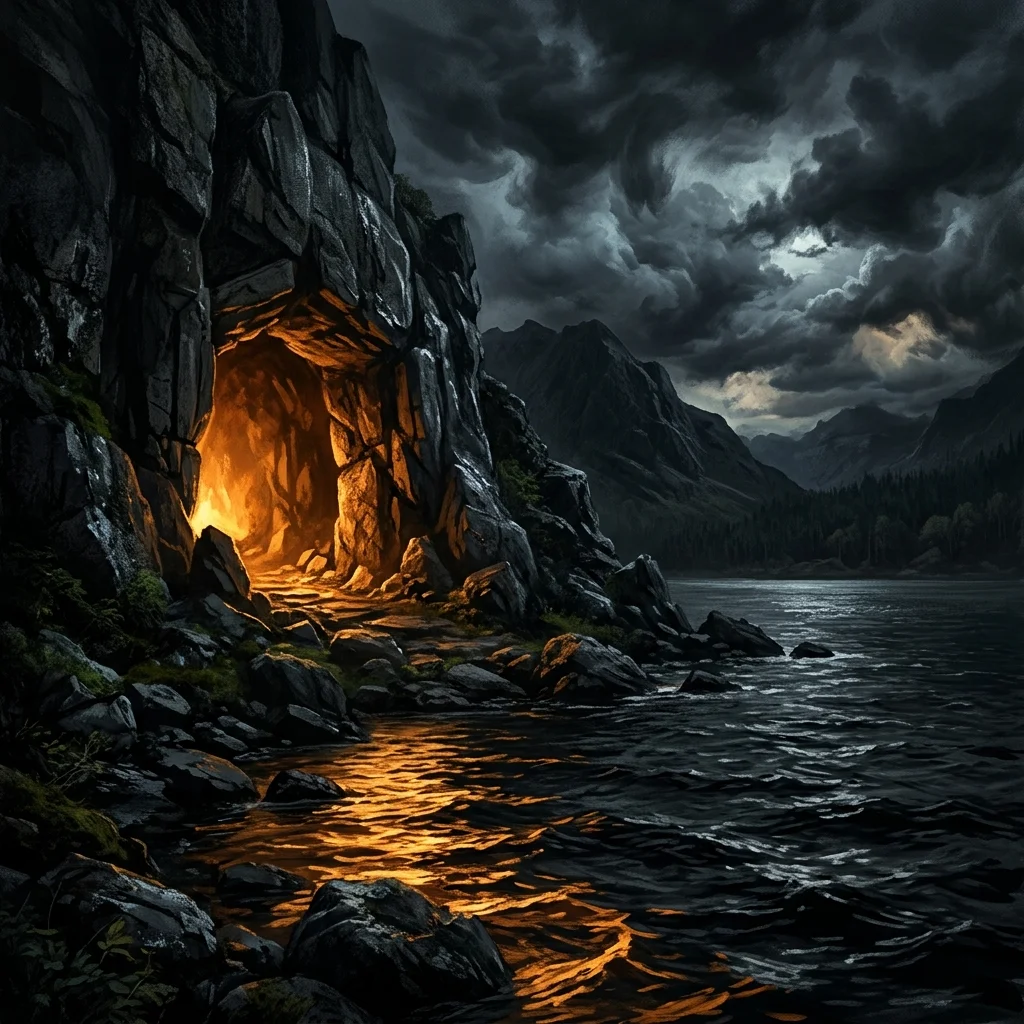
Bruno Delbonnel's cinematography is the visual signature of the film, utilizing soft sepia tones, low-contrast shadows, and a shallow depth of field. The lighting is painterly, inspired by classical painters like Rembrandt, giving the ancient castle an atmosphere of decay. Yates uses slow, deliberate panning shots to emphasize the emptiness and vulnerability of the corridors. The editing is quiet and reflective, allowing scenes to linger on character expressions and silence. Craig's production design introduces the dusty, cluttered interior of Horace Slughorn's memory and the dark, watery cave. The cave sequence is a masterpiece of lighting, using the contrasting amber glow of fire against the deep blue darkness of the water to create a terrifying, mythological struggle.
The film explores the themes of memory, destiny, and the burden of legacy. Dumbledore's lessons show that understanding the past is essential for fighting the threats of the present. The narrative also examines the weight of choices, contrasting Draco's forced path as an assassin with Harry's accepted destiny as the chosen protector.
Harry Potter and the Half-Blood Prince is a melancholic, visually poetic masterpiece that successfully prepares the characters for the final battle.
Severus Snape. He was born to a Muggle father (Tobias Snape) and a witch mother (Eileen Prince), making him a half-blood who adopted his mother's maiden name.
A dark magical object in which a wizard hides a piece of their soul to achieve immortality. The soul is split by committing murder, the ultimate act of evil.
It was a pre-arranged agreement between Dumbledore and Snape. Dumbledore was already dying from a cursed ring and wanted to save Draco Malfoy's soul from committing murder.
The studio's original promotional trailer, included as production context.
Continue through nearby entries and compare how the series changes.
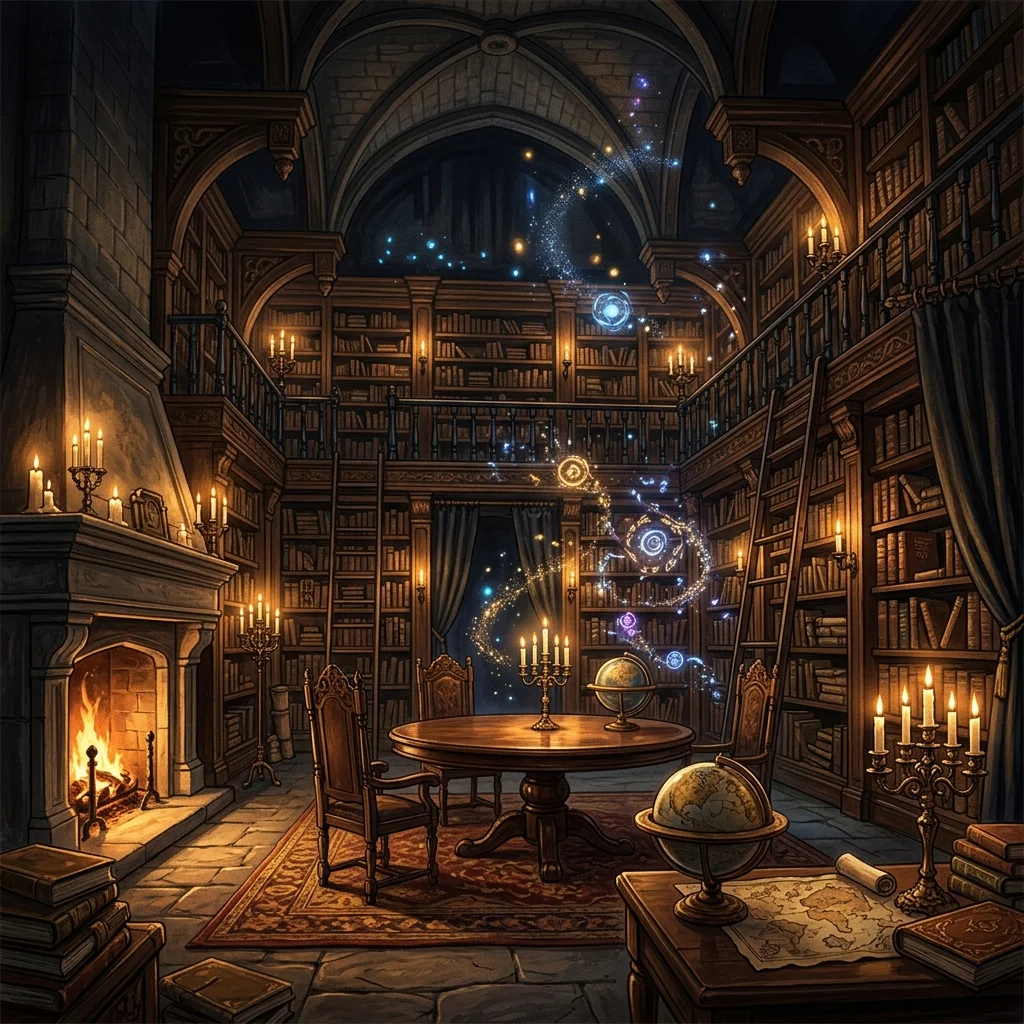
In his fifth year, Harry Potter discovers that the Ministry of Magic is denying Voldemort's return, labeling Harry and Dumbledore as liars. The Ministry installs Dolores Umbridge as the new Defense Against the Dark Arts teacher to monitor the school. Umbridge refuses to teach practical magic, establishing a bureaucratic regime that strips students of their rights. In response, Harry forms "Dumbledore's Army," secretly training students in defensive spells. When Harry has visions of his godfather Sirius Black being tortured at the Ministry, he leads his friends to rescue him. They are ambushed by Death Eaters, resulting in a battle where Sirius is killed by Bellatrix Lestrange, and Voldemort's return is finally witnessed by the Minister of Magic.
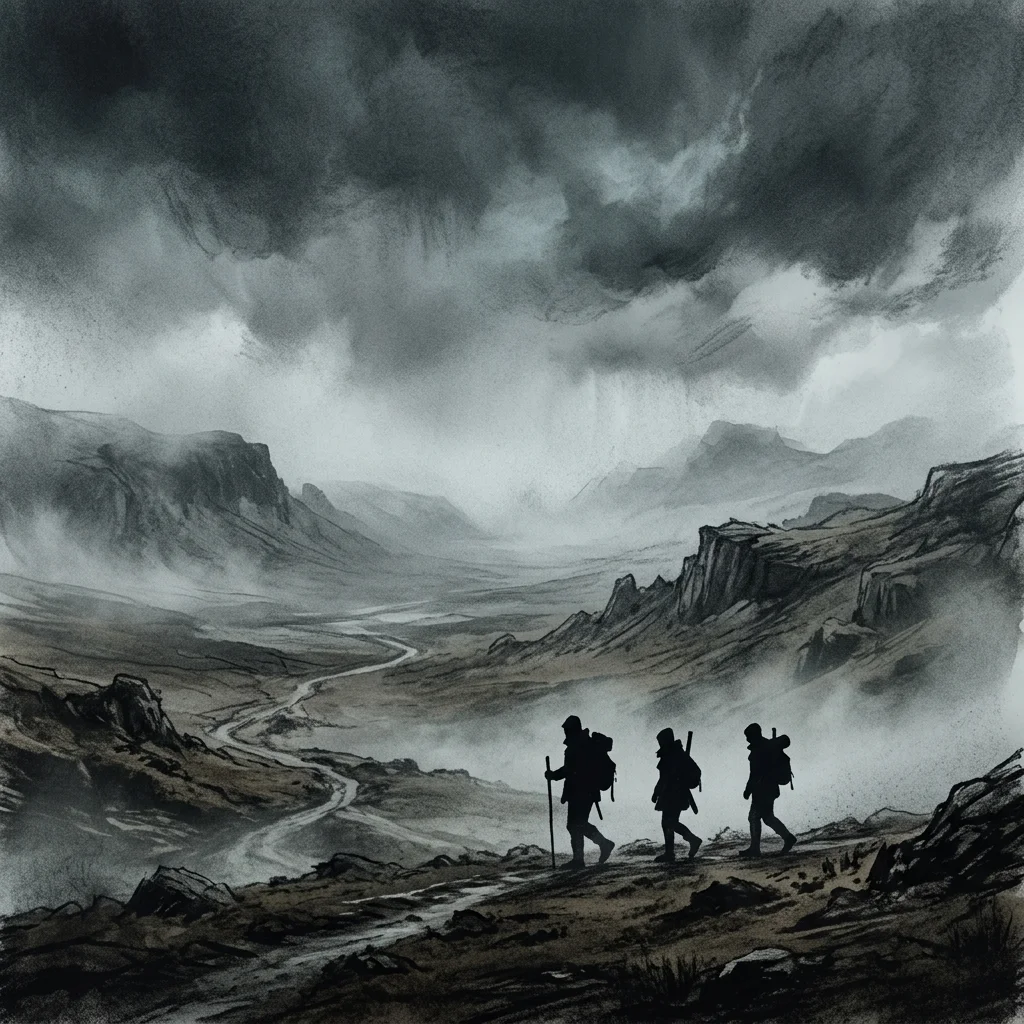
Instead of returning to Hogwarts, Harry, Ron, and Hermione set out on a dangerous mission to locate and destroy Voldemort's remaining Horcruxes. Without the guidance of Dumbledore, they must rely on each other, traveling across the country while hiding from Death Eaters who have taken control of the Ministry of Magic. As they search, they learn about the "Deathly Hallows"—three legendary magical objects that grant mastery over death. The physical and emotional strain of the journey, combined with the corrupting influence of a Horcrux locket, causes a rift between the friends, leading Ron to abandon the group. Though he eventually returns to save Harry's life, they are captured by Snatchers, escaping with the help of Dobby, who is tragically killed in the rescue.
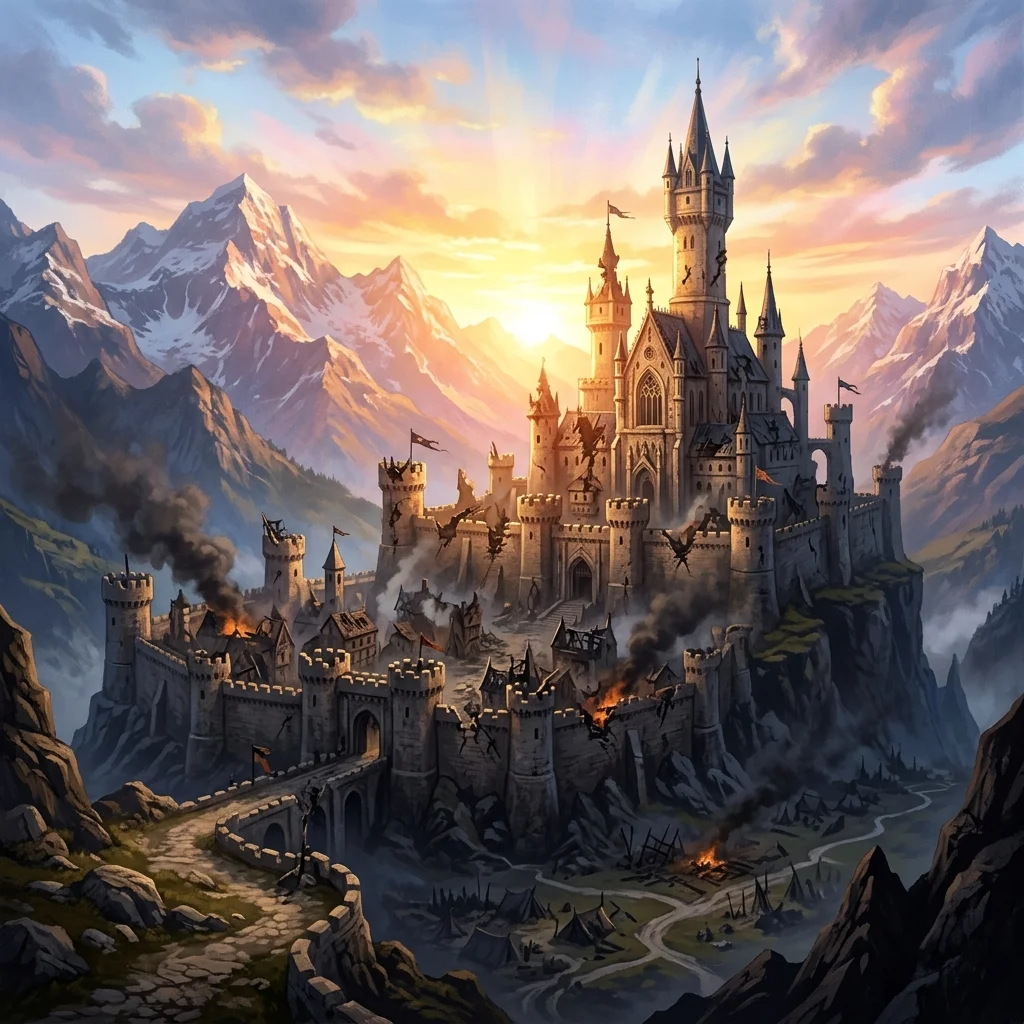
In the epic conclusion of the franchise, Harry, Ron, and Hermione return to Hogwarts to locate the final Horcruxes as Lord Voldemort gathers his massive army of Death Eaters for a final attack. The school becomes a battlefield, defended by teachers and members of the Order of the Phoenix. As the battle rages, Harry discovers the truth about Severus Snape's loyalty through his memories, learning that Snape loved Harry's mother and protected Harry under Dumbledore's orders. Realizing he contains a piece of Voldemort's soul, Harry willingly faces the Dark Lord in the Forbidden Forest, surviving the killing curse once more. Returning to the castle, Harry duels Voldemort as Neville Longbottom destroys the final Horcrux, leading to Voldemort's permanent defeat.
Essays connecting this film to effects craft, storytelling, and franchise history.
An analysis of the invisible craft of cinematic sound design, examining how soundscapes, foley, and acoustic spaces build tension and manipulate psychological fear.
Film EssayA deep dive into the color theory and production design of modern science fiction cinema, from the neon dystopias of Blade Runner to the solar desolation of Dune.
Film EssayExploring the handoff between sculptors, puppeteers, and digital animators, and how collaborative production design makes physical and virtual creatures convincing.
Stay informed about new franchise guides, movie analysis articles, editorial updates, and website announcements.